Haitian Recipes
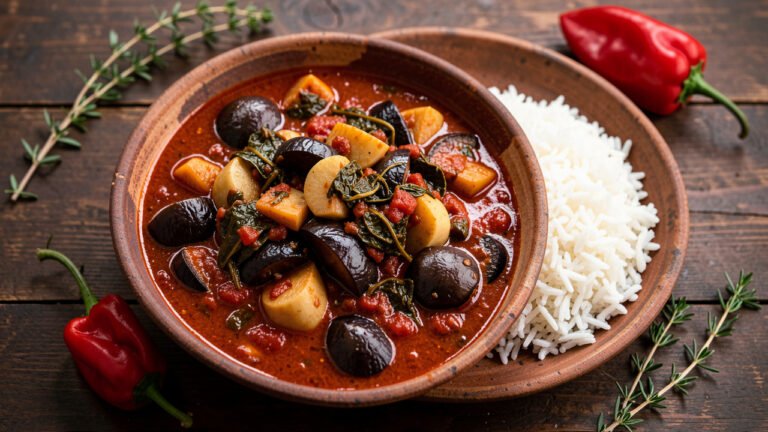
Thick Vegetable Stew with Tomato
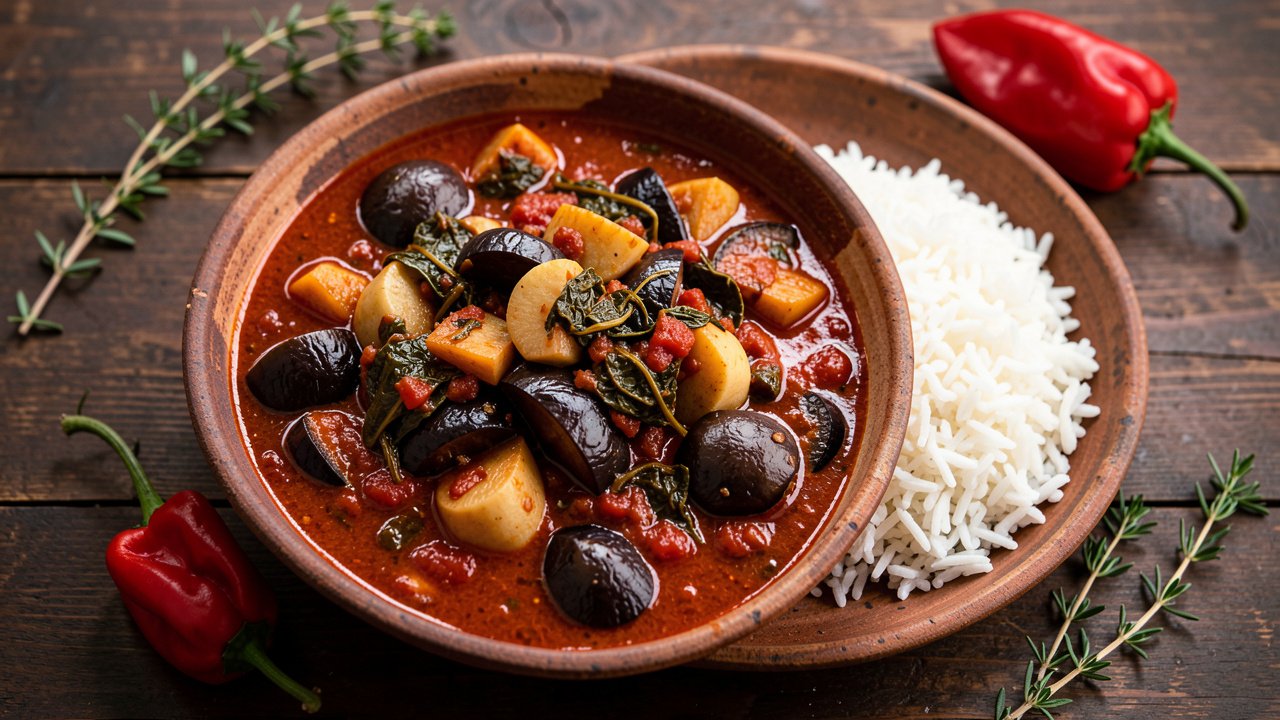
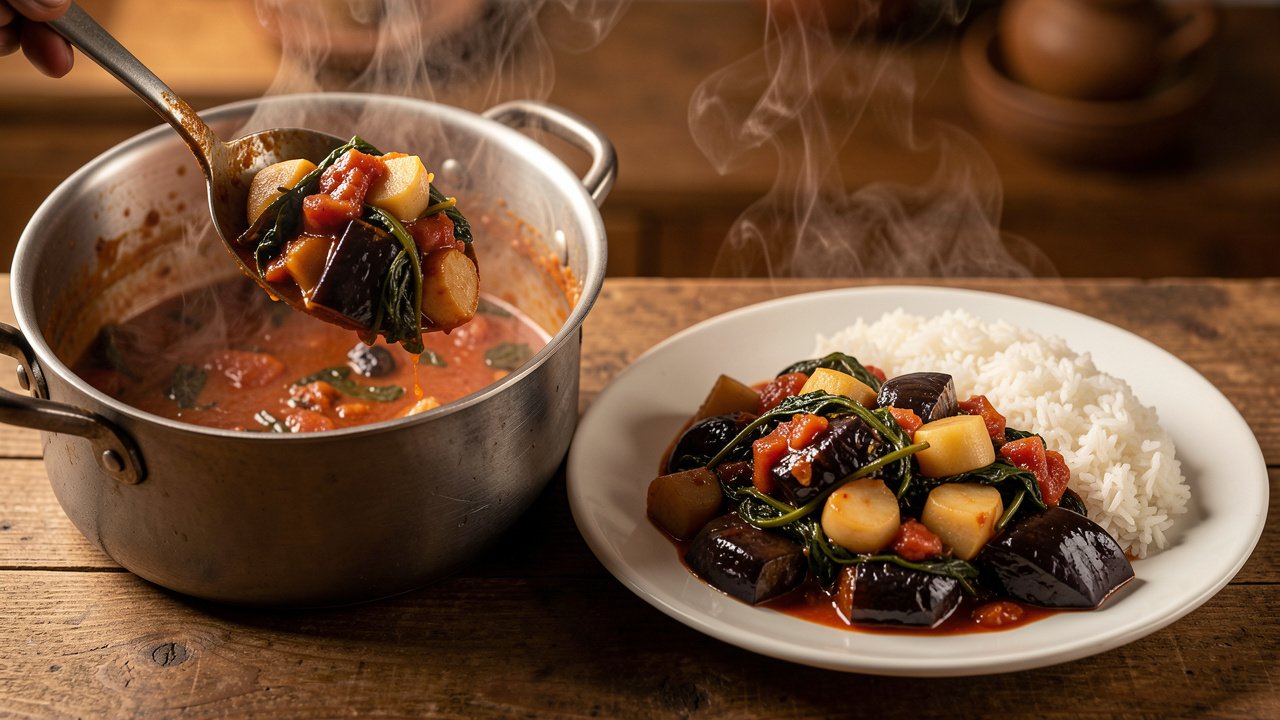
Legim, sometimes written legume, is one of those dishes that rewards patience more than technique. The vegetables go in looking like a chunky mix, and an hour later they have surrendered into something dark, glossy and unified, where you can no longer tell exactly where the eggplant ends and the chayote begins. That melded texture is the whole point, and it is what separates real legim from a plate of steamed vegetables in sauce.
I keep this version vegetarian so the vegetables and the epis stay in the spotlight, though many Haitian cooks build it around halal beef. The first time I made it I pulled it off the stove too early because the vegetables still looked whole, and it tasted thin and watery. Legim needs time to break down and concentrate, and once you let it, you understand why it is a Sunday-table staple.
Why This Haitian Legim Works
Legim is built on a simple idea: cook a big mix of vegetables long enough and gently enough that they lose their individual shape and become one deeply savory stew. The eggplant and chayote melt into a soft, almost creamy body, the cabbage and greens dissolve into the sauce, and the carrot and green beans add just enough structure so it is not a puree. A ripe tomato base ties everything together with color and a mild tang.
The seasoning engine is epis, the Haitian herb and garlic blend that goes into countless island dishes. It carries garlic, peppers, parsley, thyme and citrus in one spoonable base, so a few tablespoons season the whole pot at once. Without it, legim tastes flat no matter how long you cook it, which is the single most common thing people get wrong.
A whole Scotch bonnet is the other quiet secret. Dropped in uncut, it releases its fruity, floral perfume into the stew without tearing your head off with heat. You fish it out at the end, or burst it for more fire if your table likes it hot. Fresh thyme rounds out that unmistakable Haitian aroma.
It is also generous and forgiving. This is a pot meant to feed a crowd, it reheats beautifully, and the vegetable mix bends to whatever your market has. Once you understand the method, you can swap and adjust the vegetables freely and still land somewhere delicious.
Pro observation: The stew is ready when a spoon dragged across the bottom of the pot leaves a brief trail before the stew closes back over it. That thick, spoonable body means the vegetables have truly melded rather than merely softened.
Ingredients
Kitchen Measurement Converter
Quickly convert between common cooking measurements without leaving the recipe. Pick a category, enter a value, and the result updates instantly.
Ingredient Notes & Substitutions
Epis
Epis is the flavor base of Haitian cooking, a blend of garlic, peppers, parsley, thyme, scallion and citrus. Use store-bought or homemade. If you have none, mince extra garlic with fresh parsley and a splash of lime as a quick stand-in.
Chayote (Militon)
Chayote, called militon in Haiti, is a pale green squash that turns silky and mild when stewed. If you cannot find it, peeled zucchini or chopped potato both fill the role, though potato thickens the stew more.
Tomato Base
Ripe fresh tomatoes plus a spoon of tomato paste give body and color. Out of season, one 14-ounce can of chopped tomatoes works well and keeps the base consistent from batch to batch.
Scotch Bonnet
Drop it in whole so it perfumes the pot without releasing raw heat, then remove it before serving. For more fire, pierce or burst it near the end. A habanero is the closest easy swap.
Equipment
- Large heavy pot or Dutch oven
- Wooden spoon or masher
- Sharp knife and board
- Vegetable peeler
- Measuring cups and spoons
- Colander for washing
Before You Start
1. Cut for even cooking. Chop the sturdier vegetables such as chayote, carrot and eggplant into similar bite-size pieces so they break down at the same pace, and keep the greens separate since they go in later.
2. Have your epis ready. Epis is what seasons the whole pot, so measure it out before you start. If you are making it fresh, blend it first so it is waiting when you need it.
3. Start your rice. Legim is always served over white rice, and the long stew time gives you plenty of room to cook a pot of rice alongside without rushing.
Step-by-Step Instructions
Prep and Season the Vegetables
Peel and cube the chayote and eggplant, slice the carrots, chop the cabbage and bell pepper, trim the green beans, and rinse the spinach. Toss the eggplant and chayote with a spoonful of the epis and a little lime juice while you heat the pot. This early seasoning is what starts building the deep flavor legim is known for.
Bloom the Epis and Aromatics
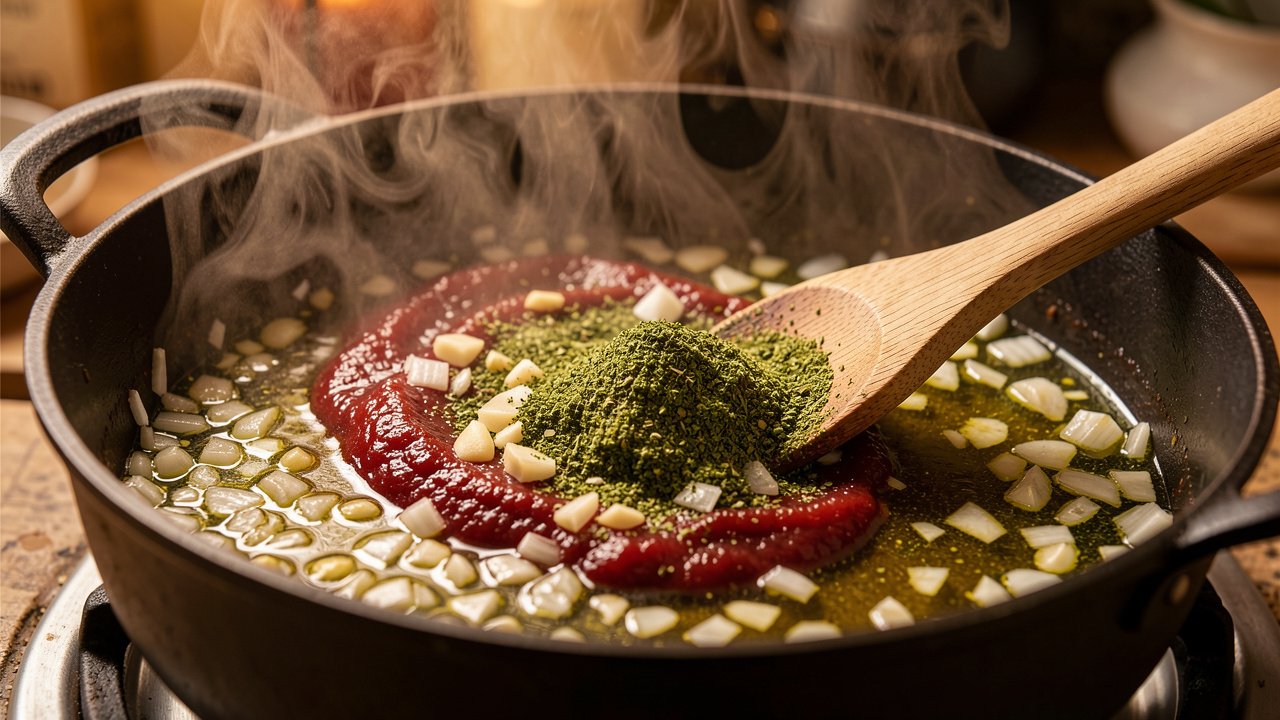
Heat the olive oil in a large heavy pot over medium heat. Add the chopped onion and garlic and cook 3 to 4 minutes until soft. Stir in the epis and the tomato paste and cook for 2 minutes, stirring constantly, until the mixture smells fragrant and the raw edge of the paste has cooked off. This is the aromatic foundation of the whole stew.
Add the Sturdy Vegetables and Tomatoes
Add the eggplant, chayote, carrots and chopped tomatoes to the pot and stir to coat everything in the seasoned base. Cook 5 minutes, stirring now and then, so the vegetables begin to soften and pick up flavor before any liquid goes in. The tomatoes will start to slump and release their juice.
Simmer Down Into a Stew
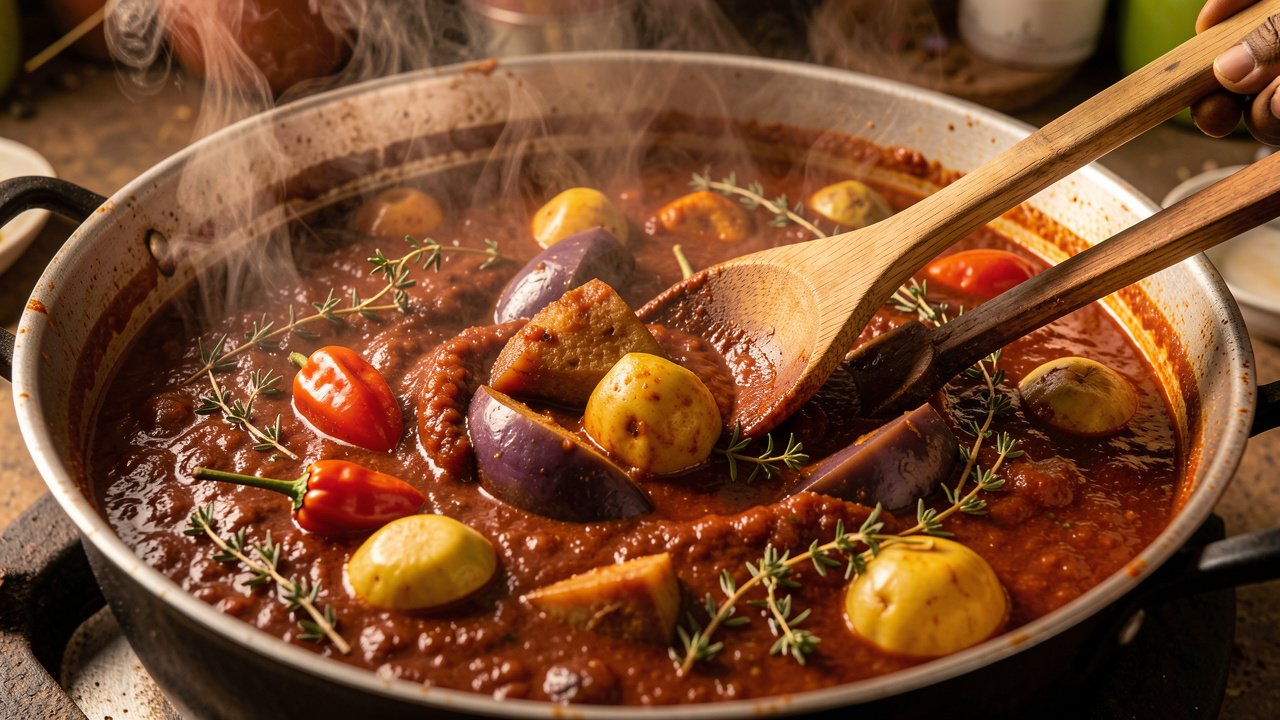
Pour in the vegetable broth or water, then nestle in the whole Scotch bonnet and the thyme sprigs and add the salt. Bring to a gentle boil, then lower to a steady simmer, cover, and cook 25 to 30 minutes. Stir every so often and mash the softest pieces against the side of the pot. The vegetables should be collapsing and the liquid reducing into a thick sauce.
Add the Cabbage, Beans and Greens
Stir in the cabbage, green beans and bell pepper and cook uncovered 10 minutes so they soften into the stew. Add the spinach last and cook 5 more minutes until it wilts down and disappears into the sauce. Keep mashing gently as you go; you want the mix to look unified rather than like separate vegetables in liquid.
Finish, Adjust and Serve
Remove the Scotch bonnet and the thyme stems. Stir in the remaining lime juice, then taste and adjust the salt. If the stew is looser than you want, simmer a few more minutes uncovered to thicken; if it is very thick, loosen with a splash of hot water. Serve the legim hot and spoonable over white rice.
Chef’s Tips From Real Kitchen Testing
Do not rush the simmer. The difference between good legim and great legim is the extra 15 minutes that let the vegetables truly break down and the flavors concentrate.
Mash as you cook. A few passes with the back of the spoon against the pot turns soft chunks into that signature thick, spoonable body without needing a blender.
Keep the Scotch bonnet whole and taste before bursting it. You can always add heat, but you cannot pull it back out once the seeds are loose in the pot.
Recipe Variations
Serving Suggestions
- Fluffy white rice, the classic pairing
- Rice and red beans (diri ak pwa)
- A wedge of fried or boiled plantain
- A squeeze of fresh lime and pikliz on the side
Nutrition Facts
| Nutrient | Amount per serving |
|---|---|
| Calories | 180 |
| Protein | 5 g |
| Carbohydrates | 22 g |
| Fat | 9 g |
| Saturated Fat | 1.5 g |
| Fiber | 8 g |
| Sugar | 10 g |
| Sodium | 620 mg |
Values are estimates per serving and vary with the exact ingredients and brands you use.
Make-Ahead Tips
Legim is a natural make-ahead dish, and many Haitian cooks say it tastes even better the next day. Cook it fully, cool it, and refrigerate. The flavors deepen overnight as the vegetables continue to relax into the sauce. Reheat gently on the stove with a splash of water to loosen it, since it thickens considerably as it sits. Cook fresh white rice to serve alongside.
Storage, Freezing & Reheating
Common Mistakes to Avoid
Troubleshooting
Stew tastes flat? It usually needs more epis, more salt, or a squeeze of lime to wake everything up. A little extra tomato paste also deepens the base.
Too watery and thin? Simmer it uncovered for 5 to 10 more minutes and mash the vegetables against the pot so they thicken the sauce naturally.
Too spicy? Remove the Scotch bonnet right away if it burst, and stir in a little more cooked vegetable or a splash of water to mellow the heat.
A Note on Haitian Cooking
Haitian food is anchored by epis, the green herb and garlic seasoning base that goes into nearly everything, from stews to rice to grilled dishes. It is what gives the cuisine its instantly recognizable depth, and legim is one of its finest showcases. The word legim simply means vegetables, and the dish is exactly that idea taken to its richest conclusion: a whole market of produce mashed and melded into one thick, savory stew rather than served as separate sides.
The whole Scotch bonnet and the fresh thyme are the finishing signatures, perfuming the pot with fruity heat and herbal warmth while it slowly cooks down. Served over white rice, legim is a Sunday and celebration favorite in Haitian homes. If you love a good pot of stewed vegetables, browse more ideas in our tomato recipes collection, and our hearty tomato lentil soup shares the same slow, comforting spirit.
Frequently Asked Questions
More Tomato Recipes to Try
Last updated: September 23, 2026