Puerto Rican Recipes
Soupy Chicken and Rice, the Island Way
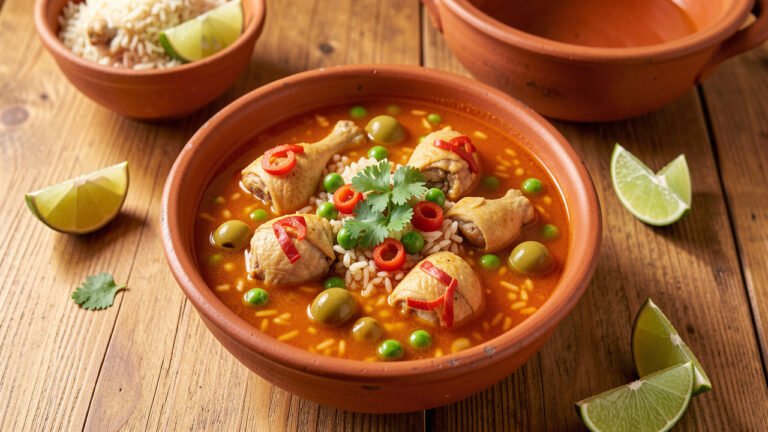
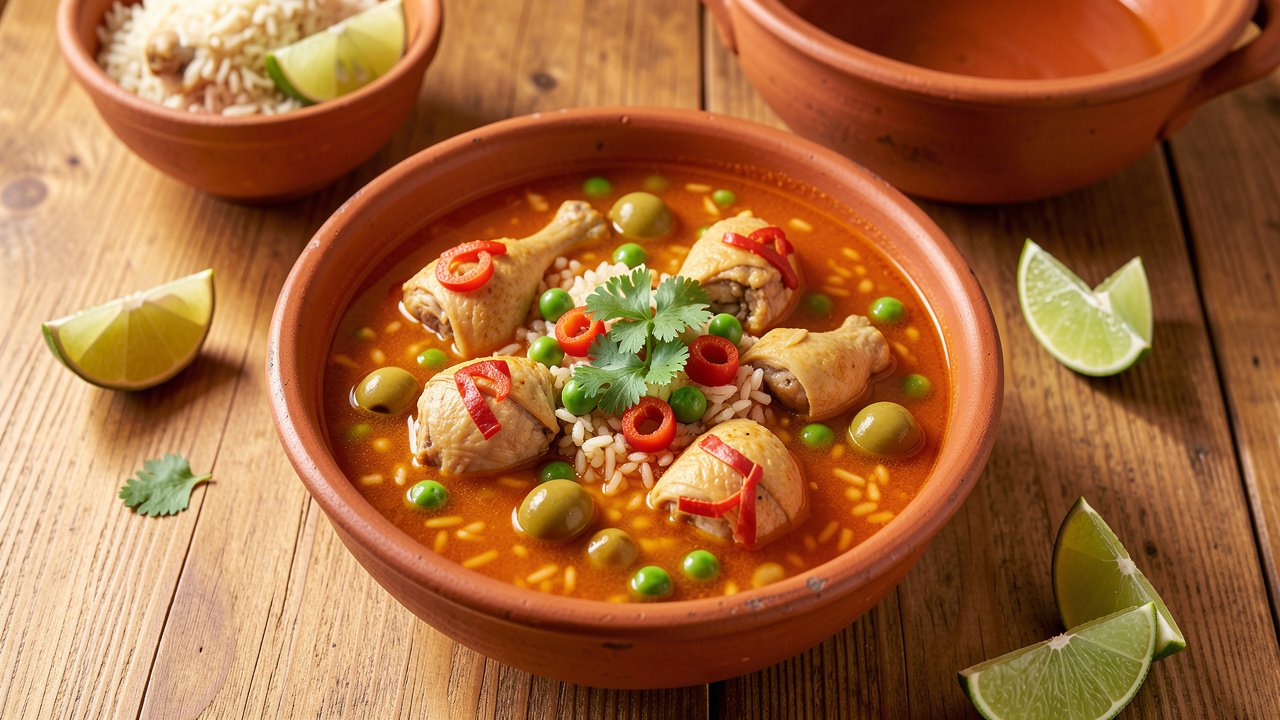
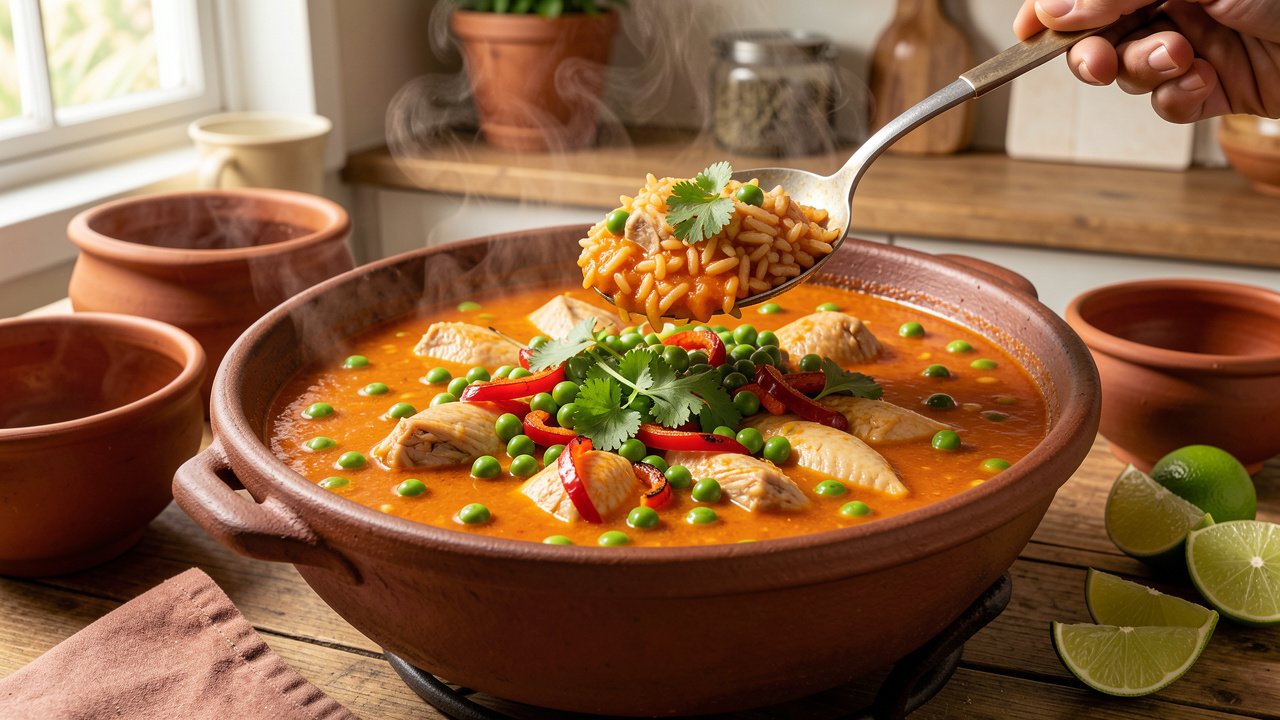
Asopao is the pot that comes out when it rains on the island, or when a house full of people needs feeding from one burner. It is rice you eat with a spoon. The broth runs orange-red from sofrito and tomato sauce, the chicken falls off the bone, and the briny pop of olives and capers keeps every bite from going one-note.
The mistake most people make is letting the rice drink the entire pot. What comes back is good chicken and rice, but it is not asopao. The liquid is the identity of the dish.
Why This Asopao de Pollo Works
Most one-pot chicken and rice recipes ask you to guess at the liquid. This one does not. The ratio is roughly five parts broth to one part rice, far wetter than any pilaf. That excess is not a mistake to simmer away; it is the dish. Medium-grain rice adds just enough starch to body the broth.
Browning the seasoned chicken first is what carries the pot. Those caramelized bits dissolve into the sofrito and give the broth a depth no seasoning powder can fake. The sofrito, cooked down in the chicken fat until it darkens, is the second pillar; tomato sauce and sazon then set the color.
The olives and capers look like garnish but they are load-bearing. Rice and chicken in broth is a soft flavor that needs something sharp poking through. Traditional versions lean on a cured meat; this one uses brine alone and tastes cleaner for it.
Pro observation: The sofrito is ready when it turns from bright green to deep olive and the raw garlic smell goes sweet, usually 5 to 6 minutes. Rushing it is the main reason a homemade asopao tastes thin.
Ingredients
Kitchen Measurement Converter
Asopao lives or dies on the broth-to-rice ratio. Convert cups, milliliters, and grams below.
Ingredient Notes & Substitutions
The Chicken
Use halal bone-in, skin-on thighs and drumsticks cut into two-inch pieces. Bones and skin give the broth its body. Boneless thighs make a lighter broth, and breast dries out before the rice is ready.
Sofrito
Frozen or jarred sofrito from a Latin market is fine. To make your own, blend 2 green peppers, 1 onion, a head of garlic, a bunch of cilantro, a handful of culantro, and a few aji dulce peppers smooth. It freezes well in cube trays.
Sazon, Adobo, and Tomato Sauce
Sazon with coriander and annatto turns the broth that unmistakable orange-red. No sazon? Mix 1 teaspoon annatto or sweet paprika with 1/2 teaspoon each ground coriander, cumin, and garlic powder. For adobo, salt with garlic and onion powder, oregano, and pepper works. Use plain canned tomato sauce, not paste.
Rice, Olives, and Capers
Medium-grain rice stays plump and releases just enough starch to body the broth. Rinse it once, not four times, or you strip that starch. Olives and capers are the brine engine; traditional recipes use a cured meat there, and this version omits it entirely.
Equipment
- Heavy 6-quart caldero
- Tongs
- Wooden spoon
- Knife and board
- Thermometer
- Ladle
Before You Start
1. Season early. Rub the chicken with adobo and oregano at least 20 minutes ahead, or the night before. This is free flavor.
2. Heat the broth. Cold liquid stalls the simmer and gives the rice extra minutes to go soft.
3. Time it right. Asopao does not hold. It keeps absorbing once the heat is off, so serve within ten minutes.
Step-by-Step Instructions
Season the Chicken
Pat the chicken dry; wet skin steams instead of browning. Toss it with the adobo, oregano, black pepper, and half the salt, then let it sit 20 minutes.
Brown the Chicken
Heat the olive oil in a heavy 6-quart pot over medium-high until it shimmers. Add the chicken skin side down in one layer, in two batches, and brown 4 to 5 minutes per side until deeply golden. You are building color, not cooking it through. Move it to a plate and pour off all but 2 tablespoons of fat.

Cook Down the Sofrito
Lower the heat to medium and add the sofrito and garlic, scraping the bottom as it hisses and loosens the browned bits. Cook 5 to 6 minutes until it darkens to deep olive and smells sweet. People rush this step, and it decides whether the broth tastes like anything at all.
Add Tomato Sauce, Sazon, Olives, and Capers
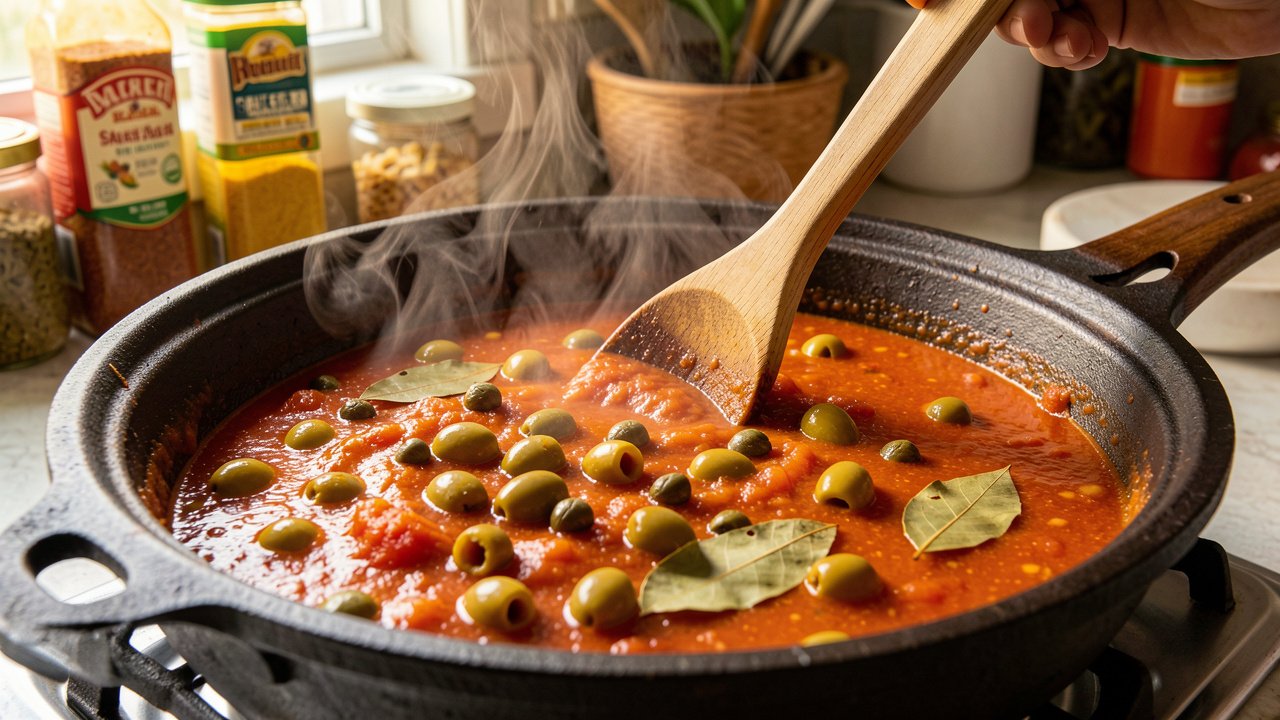
Stir in the tomato sauce, sazon, and bay leaves and bubble 2 to 3 minutes so the tomato loses its raw edge. Add the olives and drained capers now, so their brine seasons the base rather than sitting on top.
Return the Chicken and Add the Broth
Nestle the chicken back in with any juices. Pour in all 8 cups of hot broth and the remaining salt, bring to a boil, then drop to a gentle simmer, cover partially, and cook 15 minutes.
Add the Rice
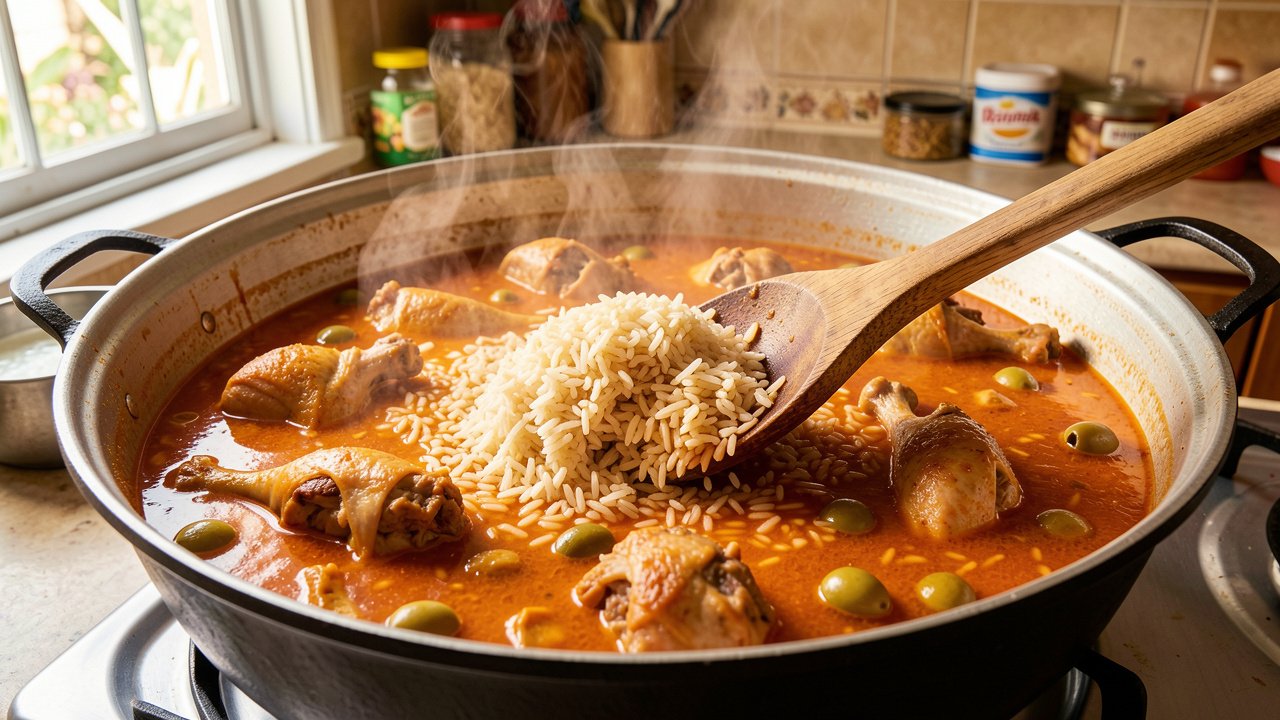
Stir the rinsed rice into the simmering pot. Keep a gentle simmer; a rolling boil bursts the grains and turns the broth gluey. Cook uncovered 18 to 20 minutes, stirring every 4 or 5 minutes so nothing catches. Leave the lid off so you can watch the liquid.
Guard the Broth and Check Doneness
From about the 15-minute mark, watch the liquid. The rice should be tender with a slight bite and the pot distinctly soupy, grains suspended rather than piled. If it tightens, ladle in hot broth a cup at a time. Check the chicken with a thermometer in the thickest part of a thigh: it must reach 165F (74C). Remove the bay leaves and taste for salt.
Finish with Peas, Peppers, and Cilantro
Stir in the peas and roasted red peppers and cook just 2 minutes, enough to heat them through and keep the peas bright. Kill the heat, stir in the cilantro, and ladle into deep bowls. Serve with lime wedges.
Chef’s Tips From Real Kitchen Testing
Keep extra hot broth on a back burner. Being able to loosen the pot at any moment separates a confident asopao from a stodgy one.
Taste for salt only after the olives and capers have simmered. Their brine seasons the pot more than you expect.
Use a thermometer rather than guessing. Bone-in thighs are forgiving, but 165F (74C) is the number that matters for food safety.
Recipe Variations
Serving Suggestions
- Tostones, fried green plantains
- Amarillos, sweet fried plantains
- Avocado and tomato salad
- Warm crusty bread
- Lime wedges and hot sauce
- Pique criollo chili condiment
Nutrition Facts
| Nutrient | Amount per serving |
|---|---|
| Calories | 520 |
| Protein | 34 g |
| Carbohydrates | 48 g |
| Fat | 20 g |
| Saturated Fat | 5 g |
| Fiber | 4 g |
| Sugar | 5 g |
| Sodium | 1150 mg |
Estimates only; sodium swings most with your broth, adobo, and olives.
Make-Ahead Tips
Asopao is not a make-ahead dish the way a stew is, because the rice never stops drinking. You can still front-load it: season the chicken a day ahead and thaw the sofrito. You can also take the recipe through step 5 and refrigerate that base two days, then simmer it again and add the rice. Never cook the rice ahead.
Storage, Freezing & Reheating
Common Mistakes to Avoid
Troubleshooting
Too thick to be soupy? Stir in hot broth a cup at a time over low heat until the rice is suspended again. Hot broth, not water.
Rice gone mushy? It boiled too hard or too long. You cannot reverse it, but adding broth and serving it thicker eats well.
Broth pale, not orange-red? The sofrito was undercooked, or the sazon and tomato sauce missed their 2 to 3 minutes to bloom.
Chicken under 165F but rice done? Finish it in a covered pan with a ladle of broth rather than overcooking both.
A Note on Puerto Rican Cooking
Nearly everything savory in a Puerto Rican kitchen starts the same way: a spoonful of sofrito hitting warm oil. That puree of sweet peppers, onion, garlic, cilantro, and culantro is blended in batches, frozen in cubes, and used all week.
Sazon does the other half. It leans on ground annatto, which gives more color than flavor, plus coriander, cumin, and garlic. With tomato sauce it makes the warm orange-red of arroz con pollo and asopao.
Asopao sits in a category English lacks a word for: wetter than arroz con pollo, thicker than a soup, described on the island as rice you eat with a spoon. Versions exist with seafood, with pigeon peas, and with only vegetables, and every family argues about how loose it should be. For more tomato-forward pots, browse the full collection of tomato recipes, or try the hearty tomato lentil soup, which layers aromatics the same way.
Frequently Asked Questions
More Tomato Recipes to Try
Last updated: September 23, 2026