Nepali Recipes
Nepali Tomato Sesame Chutney
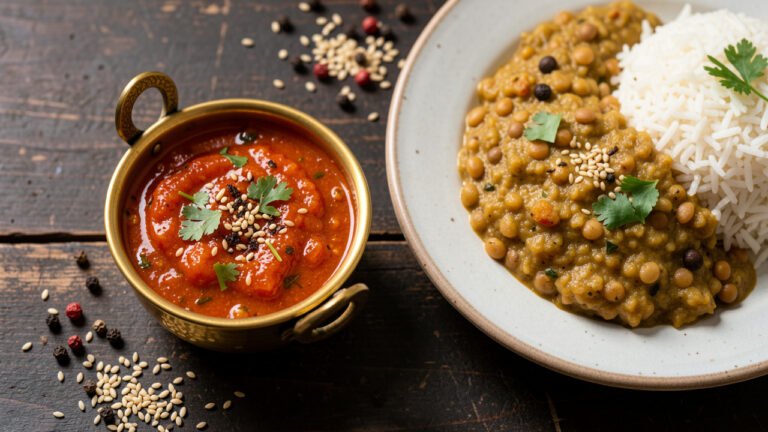
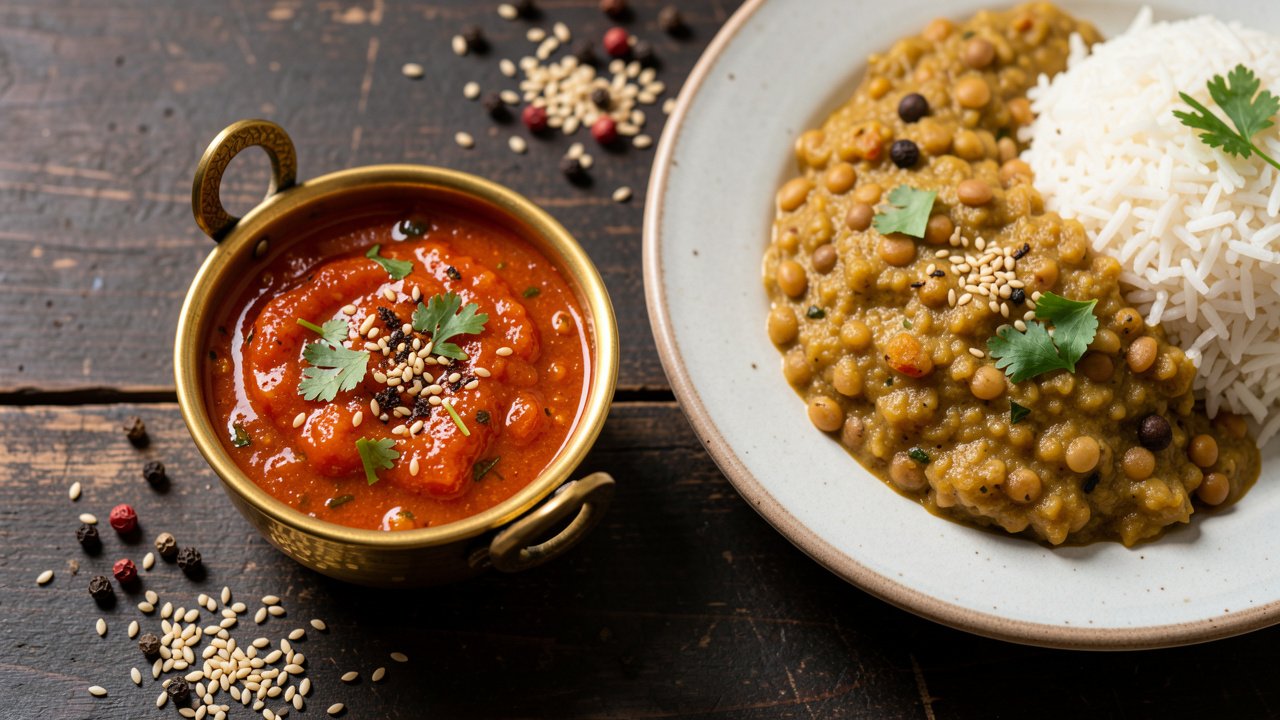
If you have eaten in a Nepali home, chances are a small bowl of this deep red-orange achar sat at the edge of your plate, ready to wake up every bite. Golbheda ko achar is less a side dish than a personality, tangy from the tomatoes, nutty from ground sesame, and buzzing with the citrusy tingle of timur. It is the little spoonful that ties a plate of rice and lentils together.
I learned this the way most people do, by watching someone make it without a recipe. The one rule they repeated was to roast the sesame first and to never skip the mustard-oil tarka. Do both, and a bowl of plain tomatoes turns into something you want to eat by the spoon.
Why This Golbheda ko Achar Works
Nepali cooking loves contrast, and this achar is a small lesson in it. The tomatoes bring bright acidity, the roasted sesame brings a rounded, nutty body, and the timur brings that unmistakable citrus-and-tingle note that no other spice can fake. Put them together and you get a condiment that tastes far more layered than its short ingredient list suggests.
The most important move is roasting or blanching the tomatoes before they go into the blender. Charring the skins over a flame, or softening them in hot water, deepens their flavor and takes away the raw, watery edge. It is the difference between a chutney that tastes cooked and one that tastes like blended salad.
Toasting the sesame is the second quiet secret. Raw sesame is flat and slightly bitter, but a few minutes in a dry pan turns it golden and fragrant, and that toasted aroma carries the whole dish. Grind it while it is still warm and it blends into the tomatoes like a creamy paste.
Finally, there is the tarka. Heating mustard oil until it just smokes, then blooming fenugreek seeds in it for a few seconds, gives the achar its signature savory finish. Poured over the blended base and stirred through, it is what makes people ask what your secret is.
Pro observation: The achar is properly balanced when a small taste makes you want a second one right away. If it only tastes sour, it needs a touch more salt and sesame; if it tastes flat, it needs more timur and green chili.
Ingredients
Kitchen Measurement Converter
Quickly convert between common cooking measurements without leaving the recipe. Pick a category, enter a value, and the result updates instantly.
Ingredient Notes & Substitutions
Tomatoes
Ripe, deep red tomatoes give the sweetest, most balanced base. Roma or plum types have less water and a firmer texture, which keeps the achar thick. Out of season, firm vine tomatoes work well once roasted.
Sesame Seeds
White sesame is traditional and blends into a creamy paste. Toast it until golden and fragrant. If you like a smokier, earthier note, a spoonful of black sesame in the mix adds color and depth.
Timur
Timur is Nepali Sichuan pepper and gives the achar its signature citrusy tingle. If you cannot find it, a mix of regular Sichuan pepper works, or a little extra black pepper with lime zest as a rough stand-in.
Mustard Oil
Pungent mustard oil is the authentic choice for the tarka and gives the dish its savory backbone. Heat it until it just shimmers to mellow the sharpness. Any neutral oil will do in a pinch, though the flavor is milder.
Equipment
- Blender or mortar and pestle
- Small dry pan for sesame
- Tarka pan or small ladle
- Tongs or a fork for roasting
- Sharp knife and board
- Mixing bowl and spoon
Before You Start
1. Toast the sesame first. It only takes a few minutes and it flavors the whole achar, so do it before anything else and set it aside to cool slightly.
2. Decide how to soften the tomatoes. Roasting over a flame gives a smoky depth, while blanching in hot water is faster and cleaner. Either works, so pick what suits your kitchen.
3. Grind the timur fresh. A quick crush in a mortar or spice grinder releases far more aroma than pre-ground pepper, so grind it just before you need it.
Step-by-Step Instructions
Soften the Tomatoes
To roast, char the whole tomatoes directly over a gas flame or under a broiler, turning with tongs until the skins blister and blacken, about 6 to 8 minutes. Let them cool, then slip off the loose skins. To blanch instead, drop the tomatoes into hot water for 2 minutes, then peel. Roughly chop and set aside with any juices.
Toast the Sesame and Timur
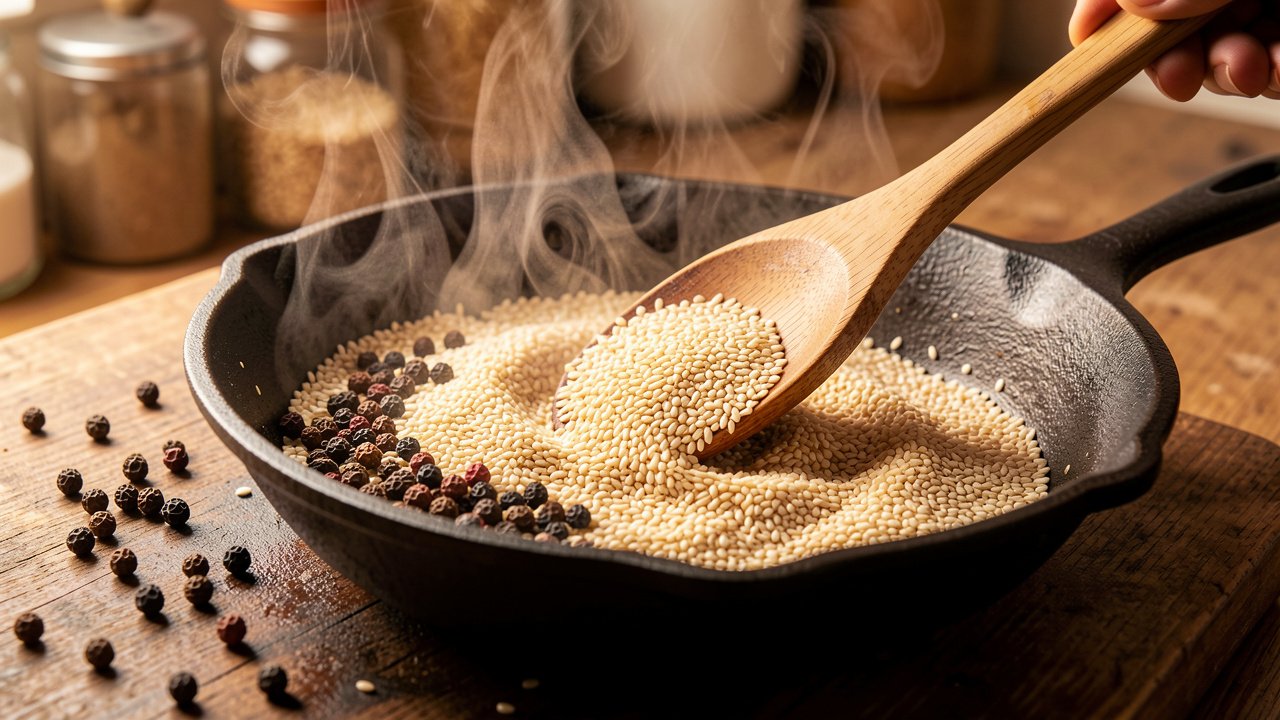
Warm a dry pan over medium heat and add the sesame seeds. Toast, stirring constantly, for 3 to 4 minutes until they turn golden and smell nutty and start to pop. Tip them onto a plate at once so they do not scorch. In the last minute you can add the timur to the pan to wake up its aroma, then crush both together lightly.
Blend the Base
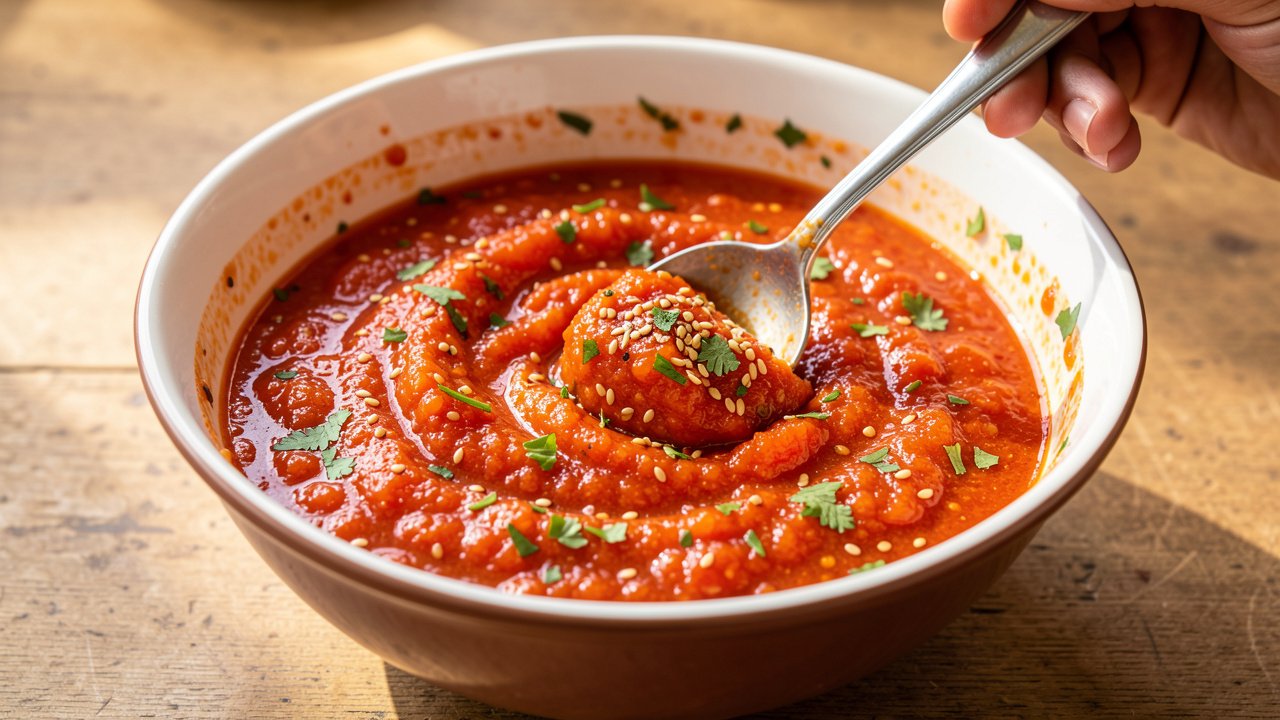
Add the softened tomatoes, toasted sesame, garlic, ginger, green chilies, turmeric, half the cilantro, and the salt to a blender. Add most of the crushed timur, holding a little back to adjust later. Blend to a slightly coarse paste, not a perfectly smooth puree, so the achar keeps some texture. If it is too thick to move, add a spoonful of water.
Taste and Adjust
Scrape the blended achar into a bowl. Taste and balance it now, while it is easy to fix. Add more salt if it tastes flat, more timur and green chili for tingle and heat, and a squeeze of lime if the tomatoes were not tart enough. The mixture should be tangy, savory, and gently spicy all at once.
Make the Mustard-Oil Tarka
Heat the mustard oil in a small pan over medium-high heat until it just begins to shimmer and lose its sharp raw smell. Add the fenugreek seeds and let them sizzle for 10 to 15 seconds until they turn a shade darker and smell toasty. Watch closely, because fenugreek turns bitter if it goes past golden brown. Take the pan off the heat the moment it is fragrant.
Finish and Serve
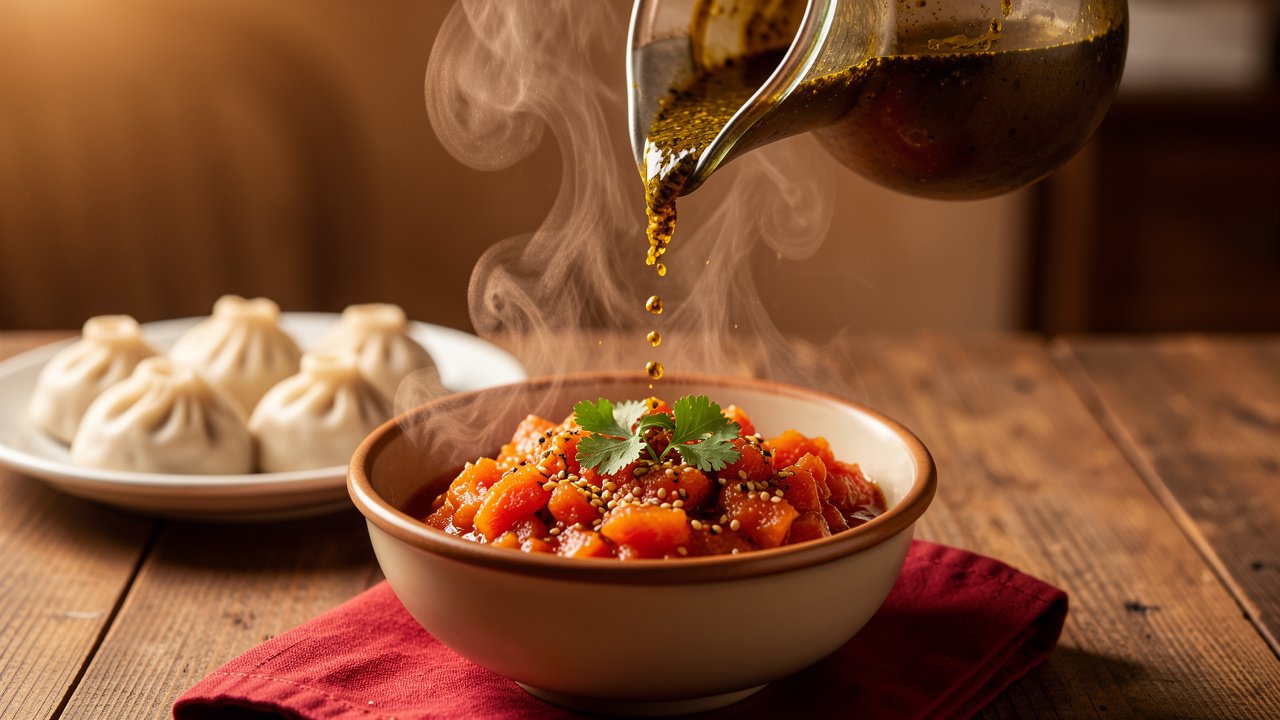
Pour the hot tarka, seeds and all, straight over the blended achar and stir it through; it will hiss and release a wonderful aroma. Fold in the remaining cilantro. Taste one more time, adjust the salt, and let it rest for 10 minutes so the flavors settle. Serve at room temperature alongside dal bhat, momos, or sel roti.
Chef’s Tips From Real Kitchen Testing
Grind the sesame while it is still warm from toasting. It releases more of its oils and blends into the tomatoes as a creamy paste rather than gritty specks.
Keep the tarka pan close and your eyes on the fenugreek. It goes from toasty to bitter in seconds, so pull it off the heat the instant it smells nutty.
Let the finished achar rest for at least 10 minutes before serving. The timur and mustard oil need a little time to spread through the base and mellow.
Recipe Variations
Serving Suggestions
- A classic condiment with dal bhat and rice
- A dipping sauce for steamed or fried momos
- Spooned over or beside sel roti
- Spread on flatbread with a squeeze of lime
Nutrition Facts
| Nutrient | Amount per serving (about 2 tbsp) |
|---|---|
| Calories | 60 |
| Protein | 1 g |
| Carbohydrates | 4 g |
| Fat | 5 g |
| Saturated Fat | 1 g |
| Fiber | 1 g |
| Sugar | 2 g |
| Sodium | 300 mg |
Values are estimates per serving and vary with the exact ingredients and brands you use.
Make-Ahead Tips
This achar is made for making ahead, because the flavors round out and deepen after a few hours in the fridge. Prepare the blended base and the tarka, combine them, and refrigerate in a clean, airtight jar. Stir well before serving and taste for salt, since chilling can mute the seasoning a little. Bring it back toward room temperature so the mustard oil loosens and the aroma opens up again.
Storage, Freezing & Reheating
Common Mistakes to Avoid
Troubleshooting
Achar tastes flat? It almost always needs salt, plus a little more timur and green chili to bring back the tingle and brightness.
Too sharp or harsh? The raw garlic or ginger is dominating. Balance it with a bit more sesame and a pinch of sugar, or briefly warm the mixture to soften the edge.
Too watery? The tomatoes released too much liquid. Simmer the base gently for a few minutes to reduce it, or blend in an extra spoonful of toasted sesame to thicken.
A Note on Nepali Cooking
In Nepal, no plate of dal bhat feels complete without an achar on the side. These pickles and chutneys are where a cook shows off, turning whatever is in season into something bright and craveable, and golbheda ko achar is one of the most beloved. Timur, the tingly mountain pepper, and pungent mustard oil are the flavors that make so many Nepali dishes instantly recognizable, and both are on full display here. The same achar doubles as the classic dipping sauce for momos, cooling and sharpening each bite. If you enjoy tangy tomato condiments, explore more ideas in our tomato recipes collection, or try a different style with our fresh tomato salsa.
Frequently Asked Questions
More Tomato Recipes to Try
Last updated: September 23, 2026