Cuban Recipes
Savory-Sweet Ground Beef Picadillo
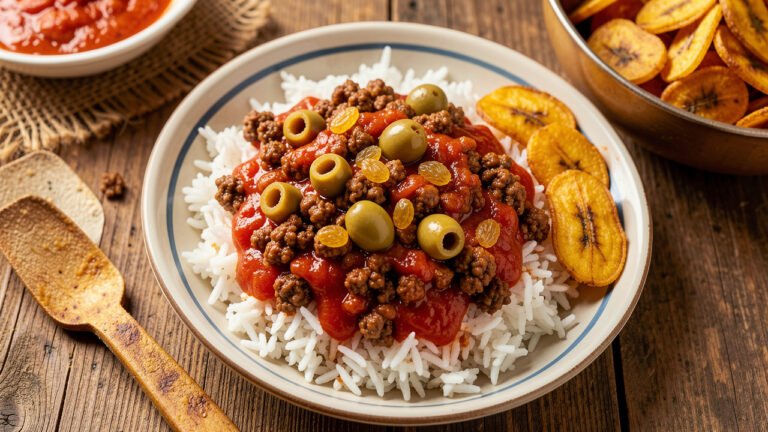
Picadillo is the weeknight dinner that tastes like it took all day. Ground beef gets deeply browned, then folds into a soft, sweet sofrito and a bright tomato sauce, and the olives and raisins pull the whole thing between salty and sweet with every bite. It is the kind of dish that fills a kitchen with the smell of cumin and makes everyone wander in to ask when dinner is ready.
I learned the value of patience with this one the hard way. My first attempts were watery and bland because I crowded the pan and never let the beef take on color, and I spooned the fat back in instead of draining it. Once I fixed those two things, picadillo became one of the most reliable, satisfying meals in my rotation.
Why This Cuban Picadillo Works
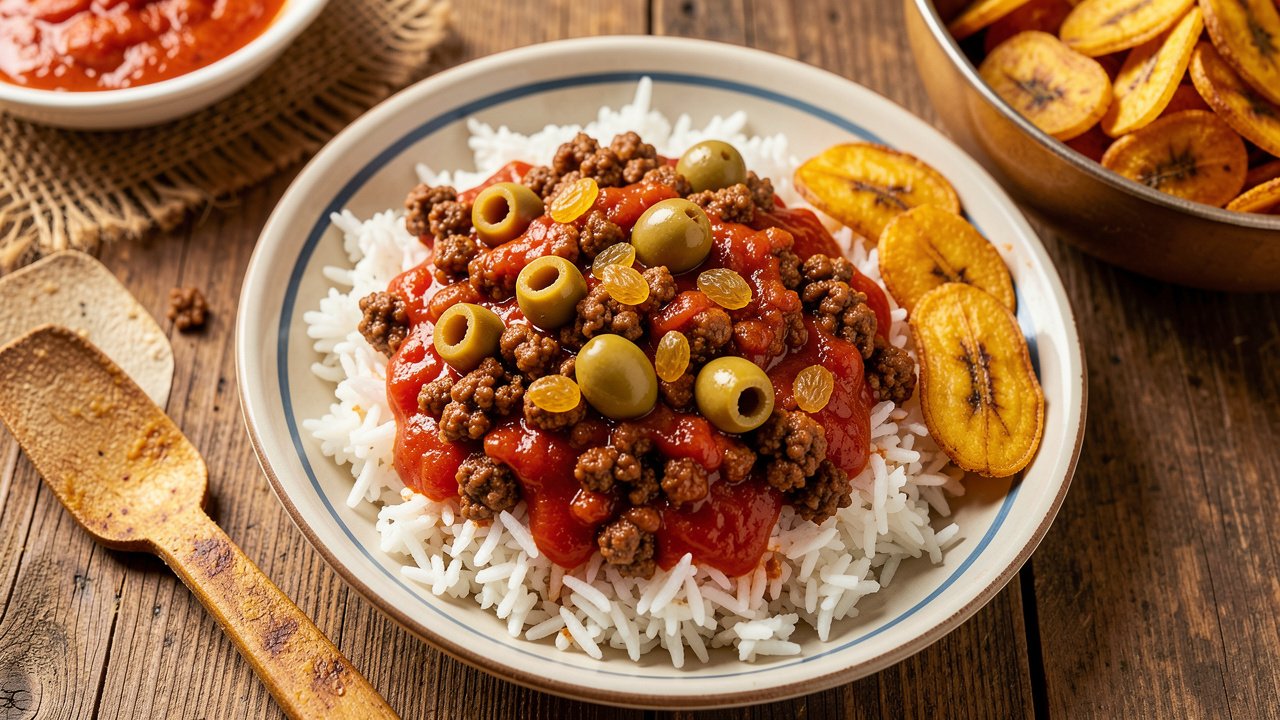
Great picadillo is a study in contrast. The savory base of well-browned beef and slow-cooked sofrito gives it depth, the tomato sauce brings acidity and body, and then the olives and raisins arrive to swing it between salty and sweet. That push and pull is what makes people go back for a second helping, even though the ingredient list is short and humble.
The sofrito is the quiet engine of the dish. Onion, green bell pepper, and garlic softened gently in oil build a sweet, aromatic foundation that no amount of seasoning added later can fake. Rushing it or skipping it leaves the picadillo tasting thin, so it is worth the few extra minutes to let those vegetables turn soft and fragrant.
Browning the beef properly is the other half of the equation. When you give the meat room and time to develop color, it delivers a savory, roasted flavor that carries the whole pan. Draining the excess fat after browning keeps the finished sauce glossy rather than greasy, which is the difference between a picadillo that feels rich and one that feels heavy.
Best of all, it is flexible and forgiving. The same base becomes a filling for empanadas or stuffed potatoes, stretches to feed a crowd, and reheats beautifully for lunch the next day. Once you know the method, you can make it your own with potatoes, capers, or a little extra heat.
Pro observation: The picadillo is ready when the sauce clings to the beef and no longer pools thin and watery on the surface. A glossy, spoon-coating sauce means the flavors have concentrated and the olives and raisins have had time to soften and meld.
Ingredients
Kitchen Measurement Converter
Quickly convert between common cooking measurements without leaving the recipe. Pick a category, enter a value, and the result updates instantly.
Ingredient Notes & Substitutions
Halal Ground Beef
Use halal ground beef with a little fat for flavor, around 85 percent lean. Very lean beef can turn dry, while very fatty beef needs more draining. Ground lamb or a beef-lamb mix also works beautifully here.
Tomato Sauce
Plain canned tomato sauce gives the smoothest, most traditional base. In a pinch, blend canned whole tomatoes until smooth. The spoon of tomato paste adds depth and a richer color.
Green Olives
Briny green olives, such as manzanilla, are essential to the salty side of the balance. Slice them so the flavor spreads through the sauce. Pimiento-stuffed olives are traditional and add a touch of sweetness.
Raisins
Raisins bring the gentle sweetness that defines picadillo. Golden raisins are milder, dark raisins are deeper. If you prefer less sweetness, cut the amount in half rather than leaving them out entirely.
Equipment
- Wide, heavy skillet
- Wooden spoon
- Sharp knife and board
- Spoon for draining fat
- Measuring spoons
- Can opener
Before You Start
1. Chop the sofrito fine. Dice the onion and green pepper small and evenly so they soften into the sauce rather than staying chunky.
2. Have the olives and raisins measured. They go in together partway through, so set them out ahead to keep the cooking smooth.
3. Start your rice early. Picadillo is best over hot white rice, so get the rice going before you brown the beef, and fry the sweet plantains while the sauce simmers.
Step-by-Step Instructions
Build the Sofrito
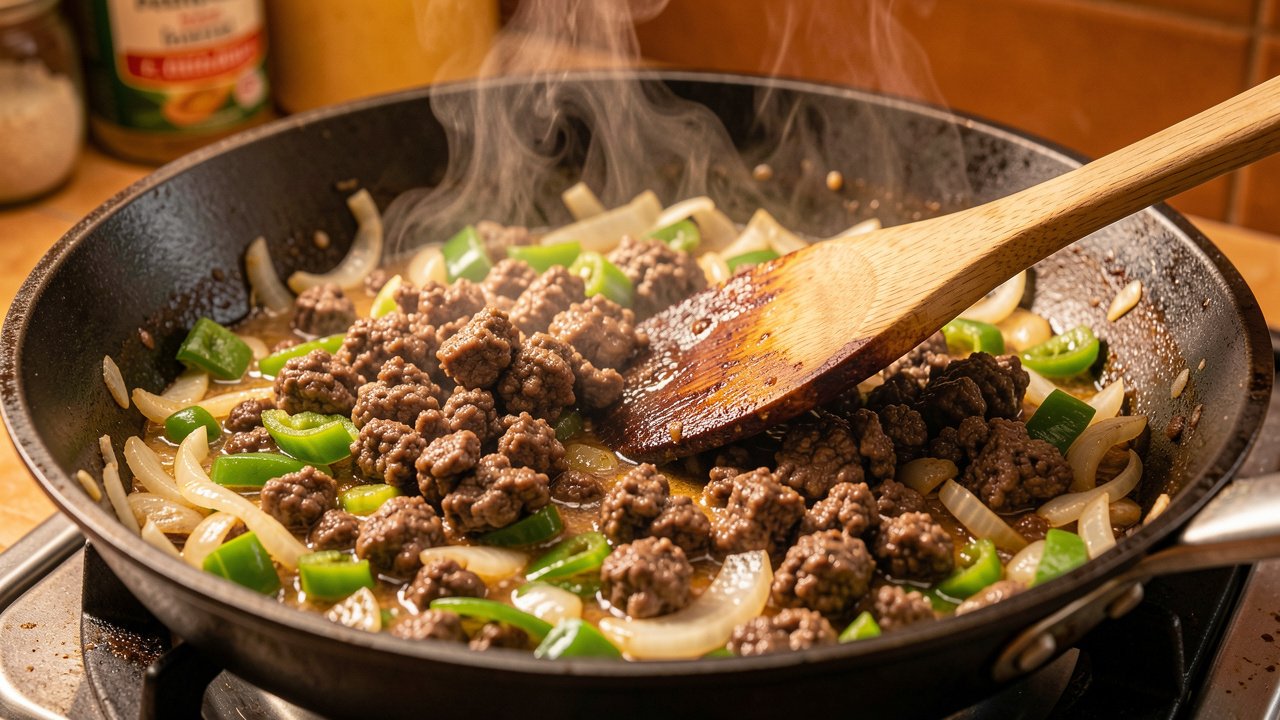
Heat the olive oil in a wide skillet over medium heat. Add the chopped onion and green bell pepper and cook 5 to 6 minutes, stirring now and then, until soft and translucent. Stir in the minced garlic and cook 1 minute more, just until fragrant, taking care not to let it brown.
Brown the Beef
Push the sofrito to one side and add the halal ground beef. Break it up with the spoon and let it sit undisturbed for a minute at a time so it develops color. Cook 6 to 8 minutes until no pink remains and the meat is deeply browned. Ground beef is safely cooked at an internal temperature of 160 F (71 C); use a thermometer if you are unsure.
Drain and Season
Tilt the pan and spoon off the excess fat, leaving just enough to keep things moist. This one step is what keeps the finished sauce glossy instead of greasy. Sprinkle in the ground cumin, dried oregano, salt, and black pepper, and stir for 30 seconds so the spices bloom in the warm meat.
Add the Tomato and Simmer
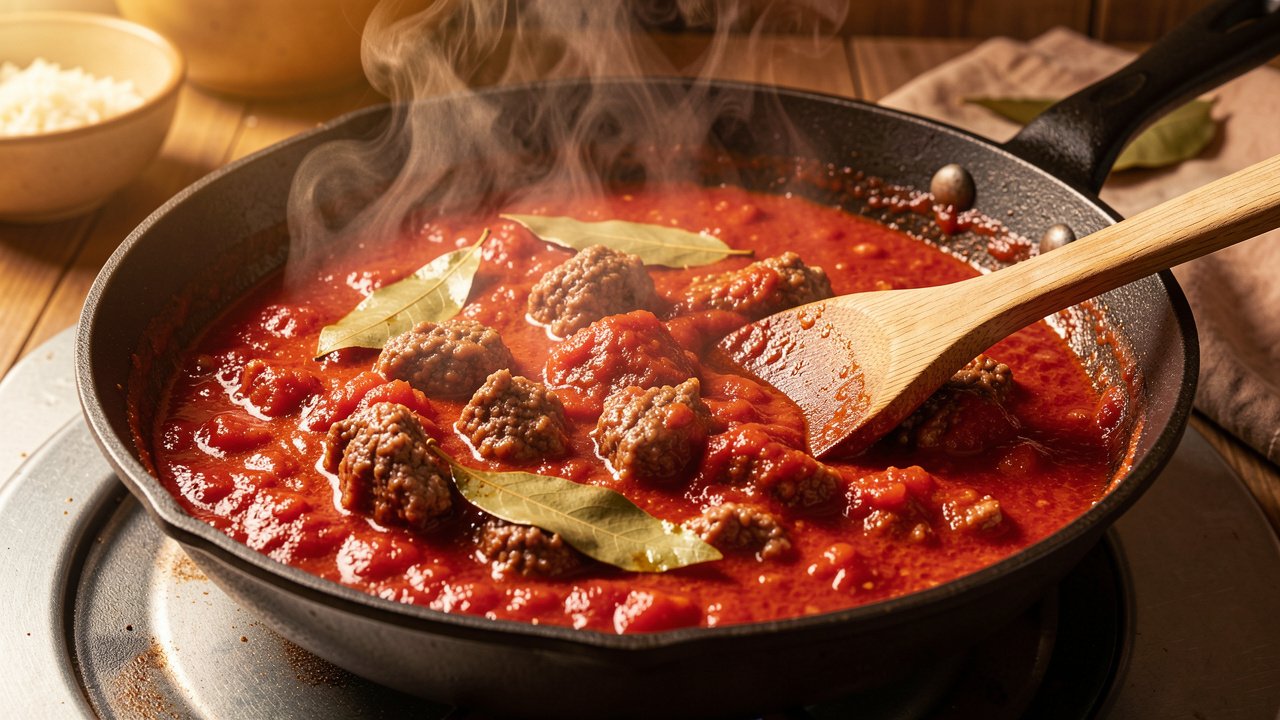
Stir in the tomato paste and cook for a minute, then add the tomato sauce, beef stock, and bay leaves. Bring to a gentle simmer, scraping up any browned bits from the bottom of the pan. Lower the heat and let it bubble quietly for 5 minutes so the sauce starts to thicken and come together.
Olives, Raisins, and the Salty-Sweet Balance
Stir in the sliced green olives and the raisins. Simmer another 8 to 10 minutes, uncovered, until the sauce clings to the beef and the raisins plump up. Taste and adjust: a splash of stock or a squeeze of lime brightens it if it feels heavy, and a little more salt sharpens the savory side against the sweet raisins.
Rest and Serve
Discard the bay leaves and let the picadillo rest off the heat for a couple of minutes so the flavors settle. Serve it hot over fluffy white rice with fried sweet plantains alongside. A wedge of lime on the plate is the traditional finishing touch.
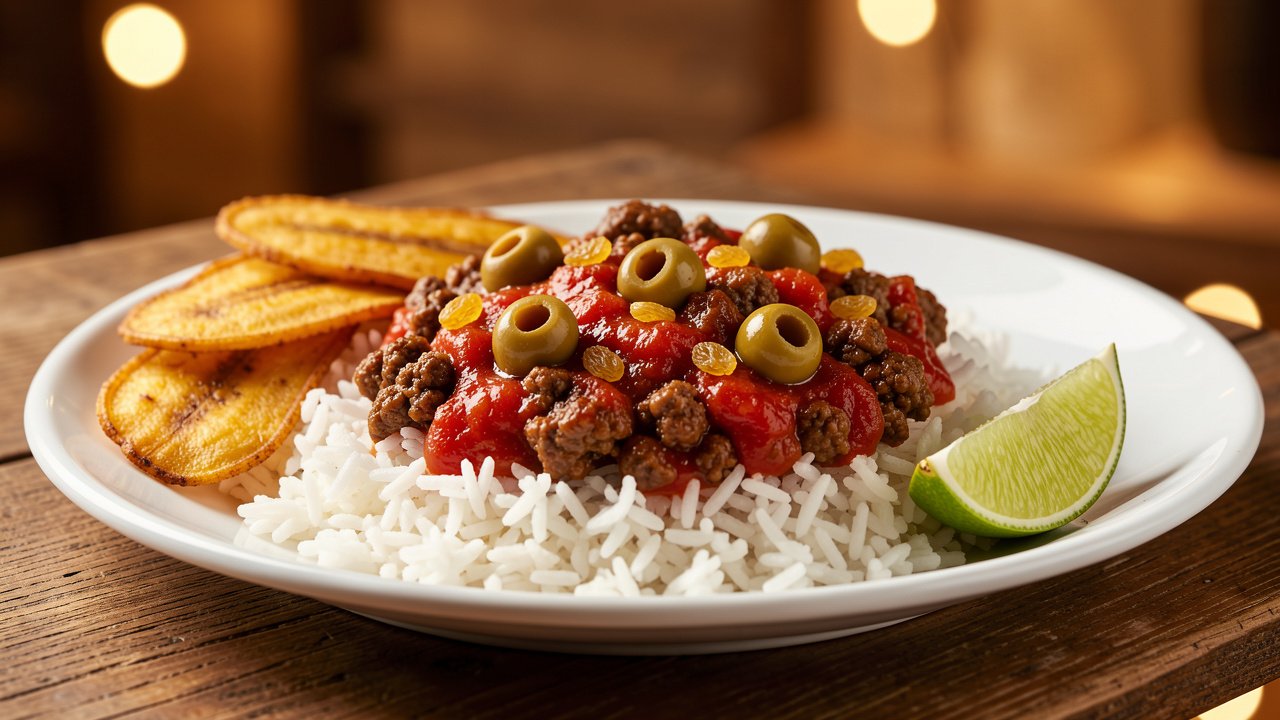
Chef’s Tips From Real Kitchen Testing
Always drain the excess fat after browning. Leaving it in is the number one reason picadillo turns out greasy instead of rich and glossy.
Do not rush the sofrito. Soft, sweet onion and pepper are the flavor base, and five patient minutes here pay off in the finished dish.
Taste for balance before serving. Picadillo should read salty and sweet at once; adjust with a pinch more salt or a few extra raisins until it feels right.
Recipe Variations
Serving Suggestions
- Fluffy white rice, the classic base
- Fried sweet plantains (platanos maduros)
- Black beans on the side for a full plate
- Lime wedges and a simple avocado salad
Nutrition Facts
| Nutrient | Amount per serving |
|---|---|
| Calories | 390 |
| Protein | 24 g |
| Carbohydrates | 18 g |
| Fat | 25 g |
| Saturated Fat | 8 g |
| Fiber | 3 g |
| Sugar | 12 g |
| Sodium | 680 mg |
Values are estimates per serving of picadillo alone and vary with the exact ingredients and brands you use.
Make-Ahead Tips
Picadillo is a meal-prep favorite, because the flavors deepen overnight in the fridge and the salty-sweet balance rounds out beautifully by the next day. Cook it a day ahead, cool it, and refrigerate. Reheat gently on the stove with a splash of stock or water to loosen the sauce, since it thickens as it sits. It is ideal for portioning into lunches over rice.
Storage, Freezing & Reheating
Common Mistakes to Avoid
Troubleshooting
Picadillo tastes greasy? Too much fat was left in after browning. Spoon or blot off the surface fat and let it simmer a couple of minutes more.
Sauce too thin and watery? Simmer uncovered a few extra minutes so it reduces and clings to the beef, or stir in a little more tomato paste.
Too sweet or too salty? Balance sweetness with a squeeze of lime and a pinch of salt; balance saltiness with a few more raisins or a splash of stock.
A Note on Cuban Cooking
Cuban home cooking is built on the sofrito, that slow-cooked base of onion, green pepper, and garlic that starts countless dishes across the island. Picadillo takes that foundation and layers on the salty-sweet signature of green olives and raisins, a combination that reflects the many cultures that shaped Cuban food. It is comfort food in the deepest sense, cooked in big skillets for family tables.
Picadillo is also wonderfully versatile beyond the plate of rice. The same savory-sweet mixture is the classic filling for empanadas, tucked into flaky pastry and baked or fried, and it stuffs papas rellenas, those golden mashed-potato balls that are a beloved Cuban snack. Make a double batch and you have dinner tonight and a head start on empanadas tomorrow. For more inspiration, browse our full collection of tomato recipes or try a bright tomato salsa to serve alongside.
Frequently Asked Questions
More Tomato Recipes to Try
Last updated: September 23, 2026