Ethiopian Recipes
Berbere Red Lentil and Tomato Stew
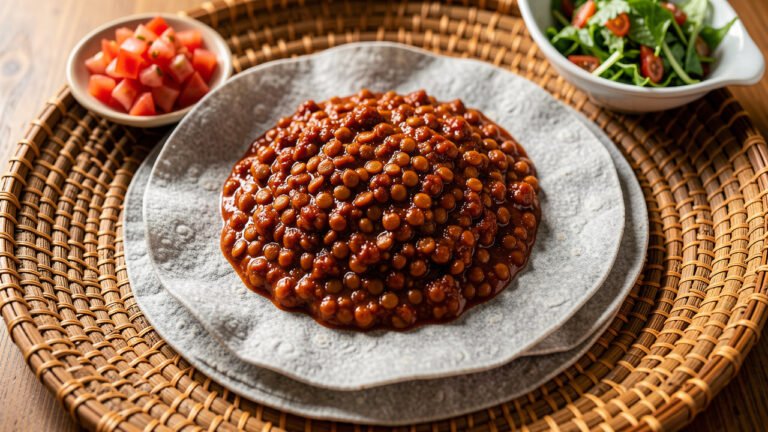
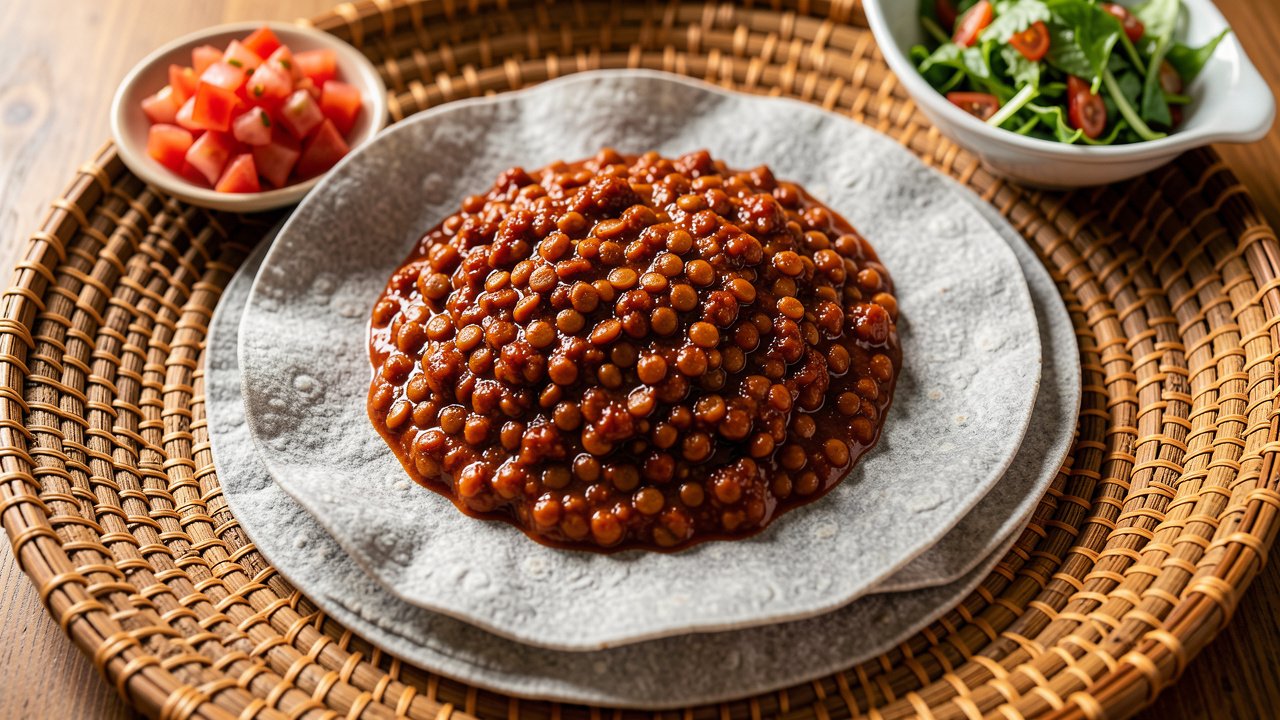
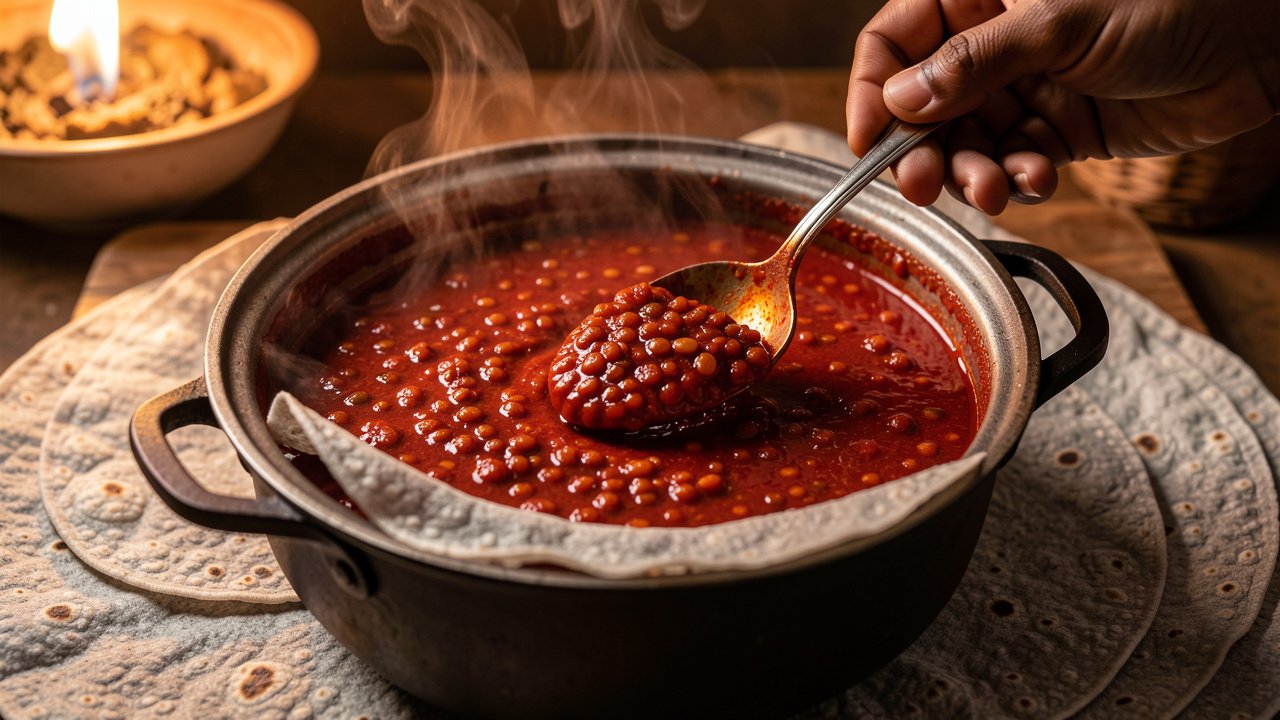
Misir wot, sometimes spelled misir wat, is the dish that convinced me lentils could be exciting. The onions cook down almost to a jam before any oil touches the pot, and that patient start is what gives the stew its dark, savory depth. When the berbere finally goes in, it blooms into a warm, layered heat that makes the whole kitchen smell like an Ethiopian holiday table.
Why This Misir Wot Works
Ethiopian cooking builds flavor in layers, and misir wot is a perfect lesson in that patience. The foundation is not oil and it is not spice; it is a big pile of finely chopped onions cooked slowly in a dry pot until they soften, collapse, and turn sweet. This dry saute concentrates the onions and gives the finished stew its savory backbone, something you cannot fake with a quick fry.
Only once the onions are jammy do you add the oil, garlic, ginger, and berbere. Blooming the berbere in fat is what unlocks it. Berbere is a complex blend of chili, fenugreek, ginger, cardamom, and warming spices, and a minute in hot oil turns it from a dusty red powder into a deep, aromatic paste that coats every lentil.
Split red lentils are ideal here because they break down as they cook, thickening the stew into a soft, spoonable texture without any blending. They also drink up the berbere sauce, so every bite tastes seasoned all the way through rather than just on the surface.
Tomato paste and a little fresh tomato round out the sauce with body and a gentle tang that balances the heat. The result is rich, warming, and deeply satisfying, yet it is built almost entirely from pantry staples and costs very little to make.
Pro observation: The onions are ready for oil when they have shrunk by half, look glossy, and smell sweet rather than sharp. If they start to catch on the pot, add a spoon of water, not oil, and keep going.
Ingredients
Kitchen Measurement Converter
Scaling a pot of stew up or down for a crowd? Convert between common cooking measurements without leaving the recipe. Pick a category, enter a value, and the result updates instantly.
Ingredient Notes & Substitutions
Red Lentils
Split red lentils (masoor dal) are the classic choice because they cook fast and melt into a soft stew. Rinse them until the water runs clear so the sauce is not cloudy. Do not swap in green or brown lentils, which stay firm and change the texture.
Berbere
Berbere is the soul of the dish. Buy a fresh, fragrant blend or make your own. Brands vary in heat, so start with a little less and add more to taste. If yours is very mild, a pinch of extra chili or paprika lifts it.
Onions
Red onions are traditional and cook down sweet, but yellow onions work well too. Chop them small and evenly so they soften at the same rate during the dry saute. Quantity matters here, so do not skimp.
Oil vs. Niter Kibbeh
This version stays vegan with a neutral oil. Traditionally the stew is enriched with niter kibbeh, an Ethiopian spiced clarified butter, but you can keep it plant based by using a spiced oil infused with garlic, ginger, and cardamom instead. Both work; the oil version is fully dairy free.
Equipment
- Heavy-bottomed pot or Dutch oven
- Wooden spoon
- Fine-mesh sieve
- Sharp knife and board
- Box grater or microplane
- Measuring spoons and cups
Before You Start
1. Rinse the lentils well. Swish the split red lentils in a sieve under cold water until it runs clear. This removes surface starch and keeps the finished stew clean-tasting, not gummy.
2. Chop the onions fine and in advance. The dry saute is the flavor base and it takes time, so have a big bowl of finely chopped onions ready before you turn on the heat.
3. Measure the berbere and aromatics. Once the onions are jammy the rest moves quickly, so have the oil, garlic, ginger, berbere, and tomato paste measured and within reach.
Step-by-Step Instructions
Rinse the Lentils and Prep
Rinse the split red lentils in a sieve until the water runs clear, then set them aside to drain. Finely chop the onions, mince the garlic, and grate the ginger. Measure the berbere, tomato paste, and oil so everything is ready before you start the slow onion base.
Dry-Saute the Onions
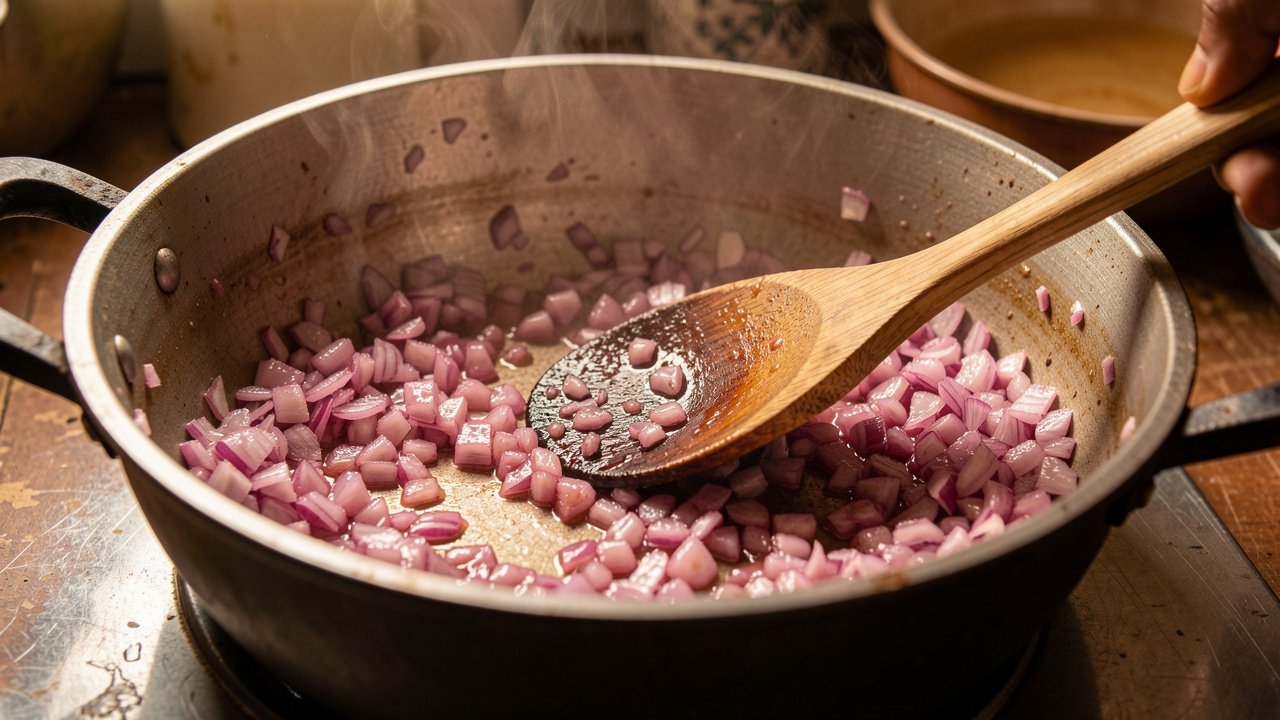
Put the chopped onions in a dry heavy pot over medium heat with no oil. Cook, stirring often, for 12 to 15 minutes until they shrink by half, turn soft and glossy, and smell sweet. If they start to catch, add a splash of water and keep going. This dry foundation is the single most important step for deep flavor.
Add Oil, Garlic, and Ginger
Pour in the oil and stir it through the softened onions. Add the minced garlic and grated ginger and cook for 1 to 2 minutes until fragrant and the raw smell is gone. The onions should now look rich and glossy, coated in the oil.
Bloom the Berbere
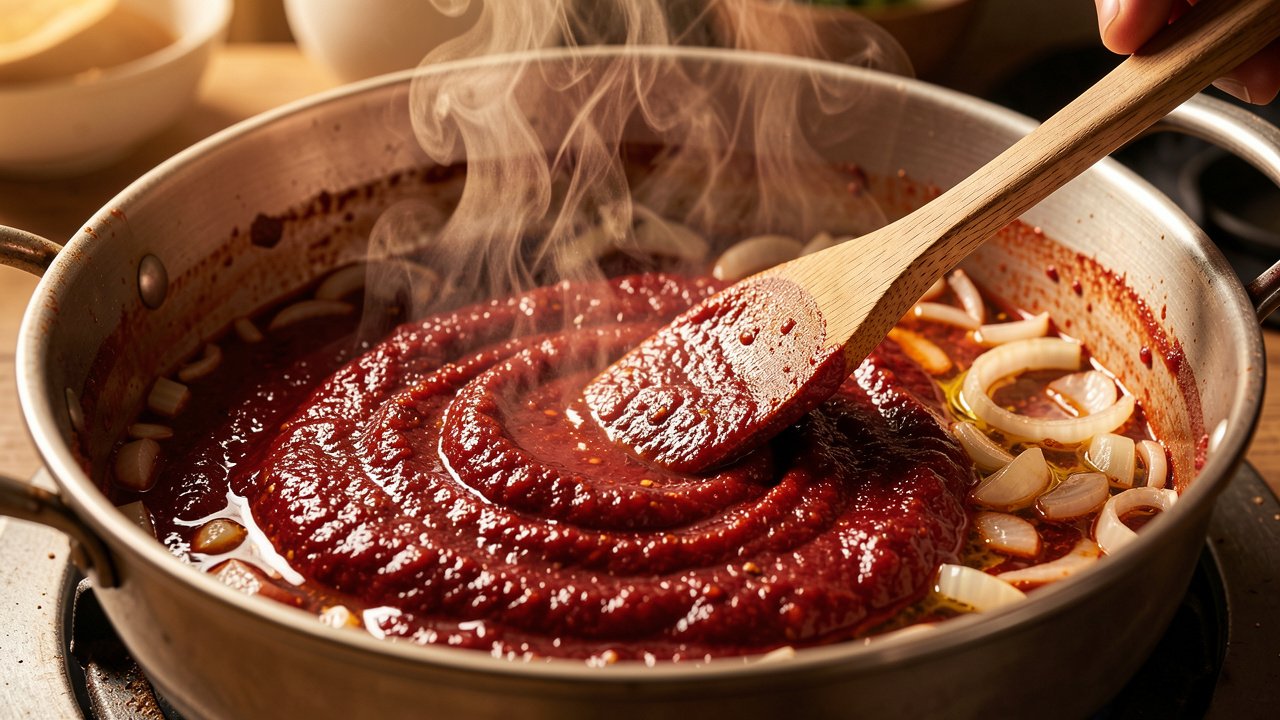
Stir in the berbere and the tomato paste and cook for 2 to 3 minutes, stirring constantly, until the mixture darkens and smells deeply aromatic. Add the chopped tomato and let it break down for another 2 minutes. This blooming step turns raw spice into a rich, layered sauce.
Simmer the Lentils
Add the rinsed lentils and stir to coat them in the sauce. Pour in the water or vegetable broth and the salt, and bring to a gentle boil. Lower the heat, cover partially, and simmer for 20 to 25 minutes, stirring now and then, until the lentils are soft and the stew is thick. Add a little more water if it gets too dry.
Finish and Serve
Stir in the ground cardamom and the lemon juice, then taste and adjust the salt and berbere. The stew should be thick, glossy, and deeply spiced. Let it rest off the heat for a few minutes, then serve hot over injera or rice with a simple tomato and onion salad on the side.
Chef’s Tips From Real Kitchen Testing
Do not rush the dry onion saute. This is the flavor foundation of misir wot; onions cooked slowly without oil turn sweet and savory in a way a quick fry never will.
Bloom the berbere in the oil before the liquid goes in. Cooking the spice in fat for a couple of minutes removes any raw, dusty taste and deepens the color.
Season the salt in stages and taste at the end. Berbere blends vary in salt and heat, so adjust once the lentils are fully cooked and have absorbed the sauce.
Recipe Variations
Serving Suggestions
- Soft injera flatbread for scooping
- Steamed basmati or brown rice
- A fresh tomato, onion, and green chili salad
- Sauteed collard greens or a side of cabbage
Nutrition Facts
| Nutrient | Amount per serving |
|---|---|
| Calories | 265 |
| Protein | 14 g |
| Carbohydrates | 36 g |
| Fat | 8 g |
| Saturated Fat | 1 g |
| Fiber | 11 g |
| Sugar | 5 g |
| Sodium | 560 mg |
Values are estimates per serving and vary with the exact ingredients and brands you use.
Make-Ahead Tips
Misir wot is a fantastic make-ahead dish, because the berbere flavors deepen and mellow overnight in the fridge. Cook it a day early, cool, and refrigerate. Reheat gently on the stove and stir in a splash of water or broth to loosen it, since the lentils keep drinking up liquid as they sit. Brighten it with a fresh squeeze of lemon just before serving.
Storage, Freezing & Reheating
Common Mistakes to Avoid
Troubleshooting
Stew tastes flat? It usually needs more salt and a bright squeeze of lemon to lift the berbere. A touch more berbere bloomed in a little oil can also wake it up.
Too thick or gluey? The lentils absorbed all the liquid. Stir in warm water or broth a little at a time until it is spoonable again.
Too spicy? Balance the heat with a spoon of tomato paste, an extra splash of oil, or serve with more injera and a cooling salad.
A Note on Ethiopian Cooking
Ethiopian cuisine is built on the wot, a slow-simmered stew that starts with onions and blooms around a signature spice blend. Berbere, a fiery mix of chili, fenugreek, ginger, and warm spices, defines the red wots, while the dry onion foundation gives them their savory depth. These stews are traditionally served on injera, the tangy fermented flatbread that doubles as plate and utensil. If you love hearty spiced legumes, our hearty tomato lentil soup shares the same comforting, protein-rich character, and you can browse more ideas in our full collection of tomato recipes.
Frequently Asked Questions
More Tomato Recipes to Try
Last updated: September 23, 2026