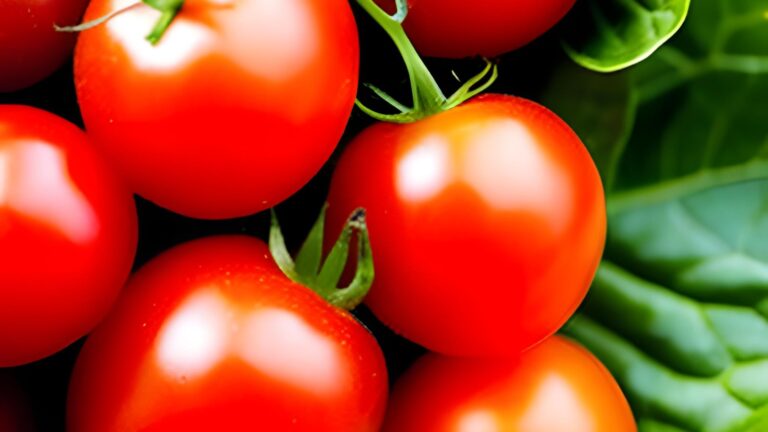
Observational studies have linked eating more tomatoes, and having higher blood levels of the tomato pigment lycopene, with a lower risk of stroke. These studies show an association, not proof that tomatoes prevent stroke, but tomatoes do provide nutrients that support normal heart and blood vessel function.
Key Nutrients in Tomatoes and Stroke Risk
Tomatoes contain key nutrients like vitamins C, A, and potassium, which are important for heart health. Vitamin C and several carotenoids act as antioxidants, and potassium helps the body manage blood pressure, which matters for the blood vessels that supply the brain.
Vitamin C
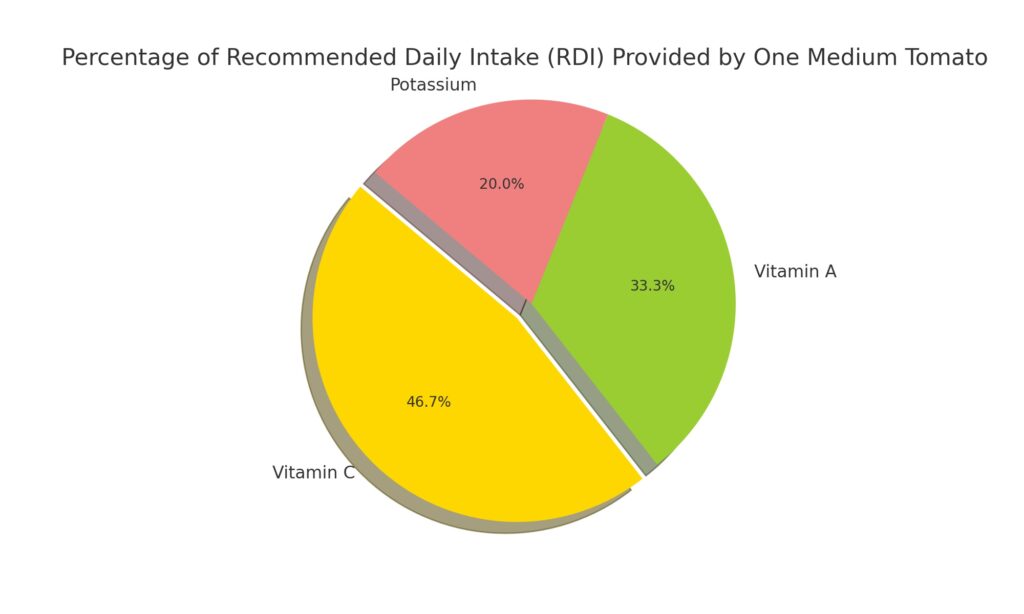
Tomatoes are a good source of vitamin C. One medium tomato (about 123 g) provides about 17 mg, roughly 19% of the Daily Value, according to USDA data.
Vitamin C is an antioxidant that helps protect cells from oxidative damage caused by free radicals. Oxidative damage contributes to atherosclerosis, a disease in which plaque builds up in the arteries.
Atherosclerosis in the carotid arteries supplying blood to the brain is a significant risk factor for ischemic stroke. Whether vitamin C from food slows plaque buildup in people is still being studied.
Some observational studies have found that people with higher dietary vitamin C intake have a lower risk of stroke, although this does not prove that vitamin C itself is the cause.
Vitamin A
Tomatoes also contain carotenoids that the body can turn into vitamin A, although one medium tomato supplies only a small share, roughly 5-6% of the Daily Value (USDA).
Vitamin A is essential for immune function and has antioxidant properties. Researchers are still studying whether it affects inflammation in blood vessels.
Evidence directly linking vitamin A levels to stroke risk is limited, so tomatoes should not be counted on for stroke protection through vitamin A.
Potassium
One medium tomato also provides about 292 mg of potassium, roughly 6% of the Daily Value (USDA). This mineral helps the body manage blood pressure because it counters some of the effects of sodium.
High blood pressure is the single most important modifiable risk factor for stroke. Potassium helps blood vessel walls relax and can help lower blood pressure.
Higher potassium intake is associated with a lower risk of stroke, according to a 2011 meta-analysis of prospective studies. This is observational evidence about potassium overall, not tomatoes specifically.
The Antioxidant Lycopene in Tomatoes
In addition to vitamins C, A, and potassium, tomatoes are one of the primary dietary sources of the antioxidant carotenoid called lycopene.
Lycopene gives tomatoes their reddish color. It is an antioxidant, and laboratory studies suggest it may help protect LDL cholesterol from becoming oxidized.
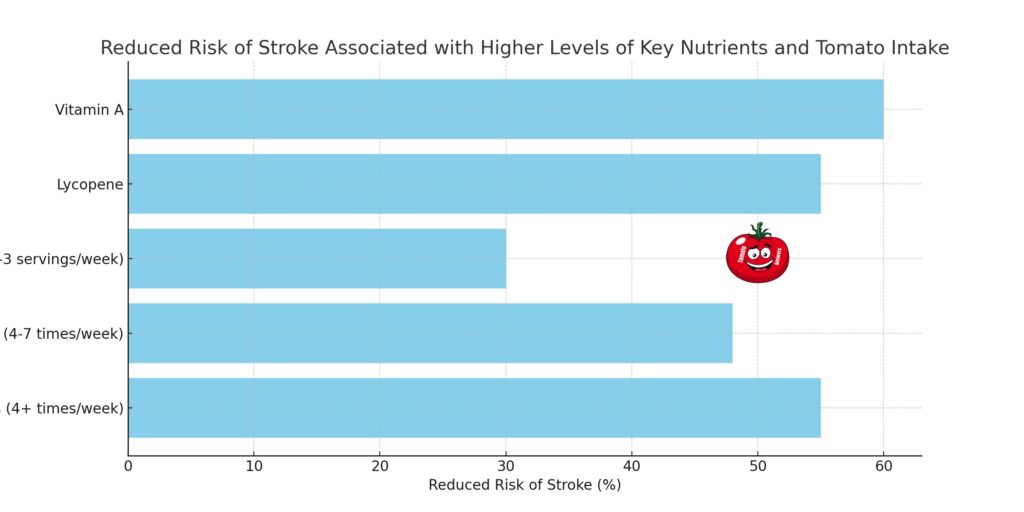
Oxidized LDL cholesterol contributes to plaque buildup in artery walls. In a Finnish study of 1,031 men aged 46-65 who were followed for about 12 years, those with the highest blood (serum) levels of lycopene had a 55% lower risk of any stroke than those with the lowest levels (Karppi et al., Neurology, 2012). It was an observational study in men only, so it shows a link, not proof that lycopene prevents stroke.
Blood lycopene is also a marker of a diet rich in tomatoes and other plant foods, which is one reason these findings still need to be confirmed in women and other populations.
How Much Tomato Intake Is Linked With Lower Stroke Risk?
No specific amount of tomatoes has been proven to prevent stroke, but it’s reasonable to eat tomatoes regularly as part of a healthy diet.
Here is what the research does and does not show:
- In Finnish men, the highest serum lycopene levels were linked with a 55% lower risk of any stroke and a 59% lower risk of ischemic stroke (clot-related stroke) compared with the lowest levels, per this study.
- According to this research (a 2017 meta-analysis of 21 intervention trials), tomato products modestly lowered LDL cholesterol and improved blood vessel function, and lycopene supplements lowered systolic blood pressure. These trials measured risk factors, not strokes.
- No large clinical trial has tested whether eating tomatoes a set number of times per week prevents stroke.
Based on this data, eating tomatoes regularly is a sensible part of a heart-healthy diet, even though it has not been proven to prevent stroke. Include tomatoes in salads, soups, stews, sandwiches, salsa, pasta sauce, and other dishes.
Raw and Cooked Tomatoes Both Count
Both raw and cooked tomatoes provide useful nutrients. Lycopene is easier to absorb from cooked, processed tomatoes, while some vitamin C is lost during long cooking.
So enjoy tomatoes in all forms – raw, stewed, sauced, juiced, etc. Canned and sundried tomatoes also retain nutrients such as lycopene; check canned products for added salt.
Other Healthy Foods Linked With Lower Stroke Risk
Tomatoes are best seen as one part of a healthy diet. Here are some other foods and drinks linked with better heart and blood vessel health:
- Leafy green vegetables like spinach and kale provide carotenoids, folate, and vitamin K for protecting arteries.
- Walnuts and fatty fish like salmon contain omega-3 fatty acids that support heart health.
- Berries are rich in anthocyanins and polyphenols that may support healthy blood pressure and arteries.
- Tea contains polyphenols that are being studied for their effects on blood vessels.
- Whole grains provide fiber, B vitamins, and minerals and are linked with lower heart disease risk.
- Beans and lentils can help improve blood cholesterol and support healthy blood pressure thanks to their fiber, potassium, and folate.
- Extra virgin olive oil, a staple of the Mediterranean diet, is linked with better heart health when used in place of less healthy fats.
Along with these foods, limiting salt, added sugars and saturated fats is essential for keeping blood vessels healthy and reducing stroke risk.
The Bottom Line
Observational research, including a Finnish study in men, has linked higher lycopene levels with a lower risk of stroke, but it has not been proven that eating tomatoes prevents stroke. The nutrients in tomatoes, including vitamin C, potassium, and lycopene, support normal heart and blood vessel function.
Enjoy tomatoes as part of a diet focused on vegetables, fruits, whole grains, nuts, fish, and healthy oils. This overall eating pattern is linked with a lower risk of stroke and other cardiovascular diseases. If you have high blood pressure, diabetes, atrial fibrillation, or other stroke risk factors, follow your doctor’s treatment plan; food choices support it but do not replace it.
Frequently Asked Questions
Q: Can tomatoes help lower stroke risk?
A: Tomatoes contain antioxidants like lycopene and nutrients such as vitamin C and potassium that support normal blood vessel function; potassium also helps the body manage blood pressure, a major stroke risk factor. Studies show links with lower stroke risk, not proof of prevention.
Q: What are the warning signs of a stroke?
A: Sudden numbness on one side, confusion, trouble speaking, vision problems, dizziness, and severe headache are signs of a potential stroke. Call 911 (or your local emergency number) immediately if you notice these.
Q: Does cooking tomatoes reduce their benefits?
A: Not overall. Cooking makes lycopene easier to absorb, although some vitamin C is lost. Cooked and processed tomatoes, including sauces, juices, and soups, still provide useful nutrients; choose low-sodium versions where you can.
Q: What other lifestyle factors can help prevent stroke?
A: Quitting smoking, being physically active, avoiding alcohol, and managing conditions like high BP and diabetes are fundamental lifestyle changes to reduce stroke risk.
Q: Are cherry tomatoes as beneficial as regular tomatoes?
A: Cherry and grape tomatoes contain similar nutrients and antioxidants. Enjoy them as a snack or salad topper.
Q: Can tomato juice provide the same benefits?
A: Tomato juice provides many of the same nutrients. In a one-year Japanese study, adults with untreated high or borderline blood pressure who drank unsalted tomato juice had lower blood pressure at the end, but the study had no control group and did not measure strokes (Odai et al., 2019). Choose unsalted juice, as regular versions can be high in sodium.
Q: How else can I boost antioxidant intake to lower stroke risk?
A: Berries, walnuts, tea, beans, whole grains, spinach, and fatty fish are good sources of antioxidants and other nutrients as part of a heart-healthy diet.
Q: Does lycopene have other health benefits?
A: Lycopene is being studied for possible links with lower risk of some cancers, heart disease, and other conditions, but most of this evidence is observational and not proof of benefit.
Q: Are tomatoes safe to eat for people on blood thinners?
A: Tomatoes contain only small amounts of vitamin K and are generally part of a normal diet on blood thinners. If you take warfarin, the usual advice is to keep your vitamin K intake consistent rather than avoid it, so talk to your doctor or pharmacist before making big changes to your diet.