Surinamese Recipes
Roti Kip Masala with Tomato and Potato
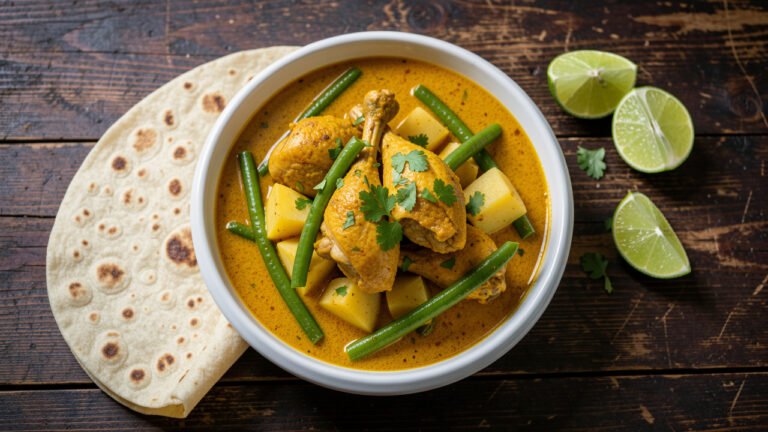
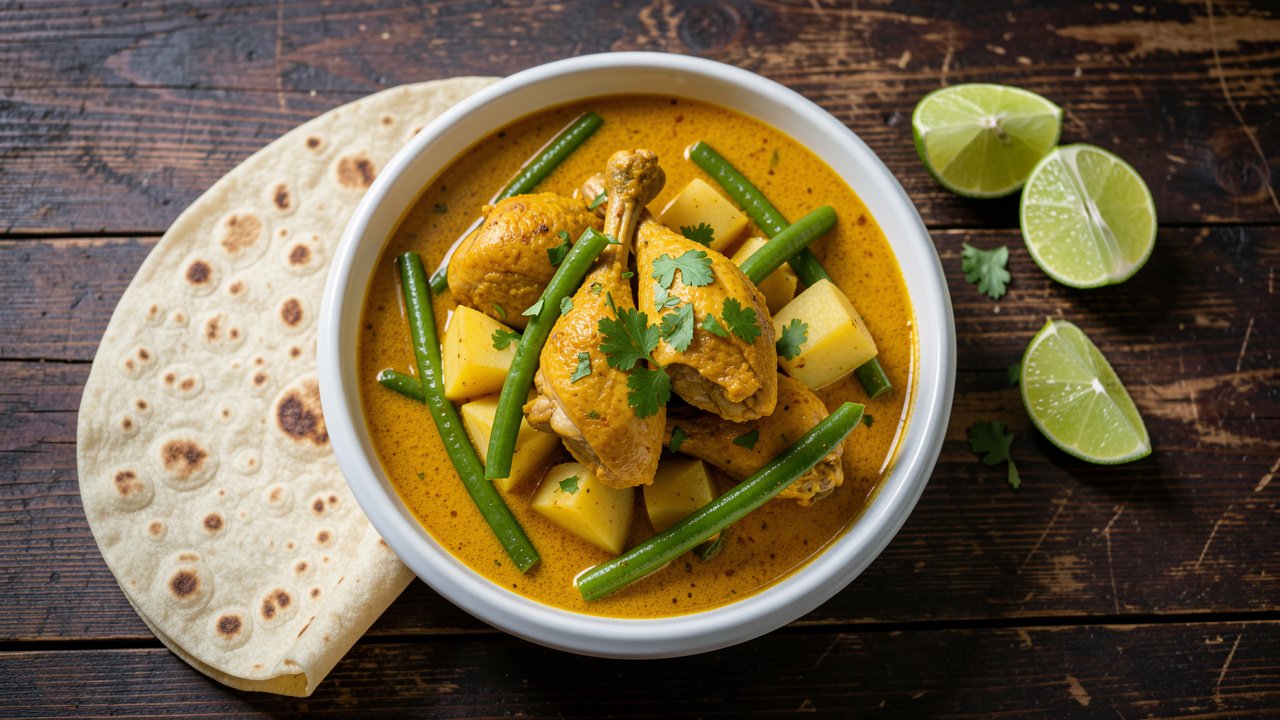
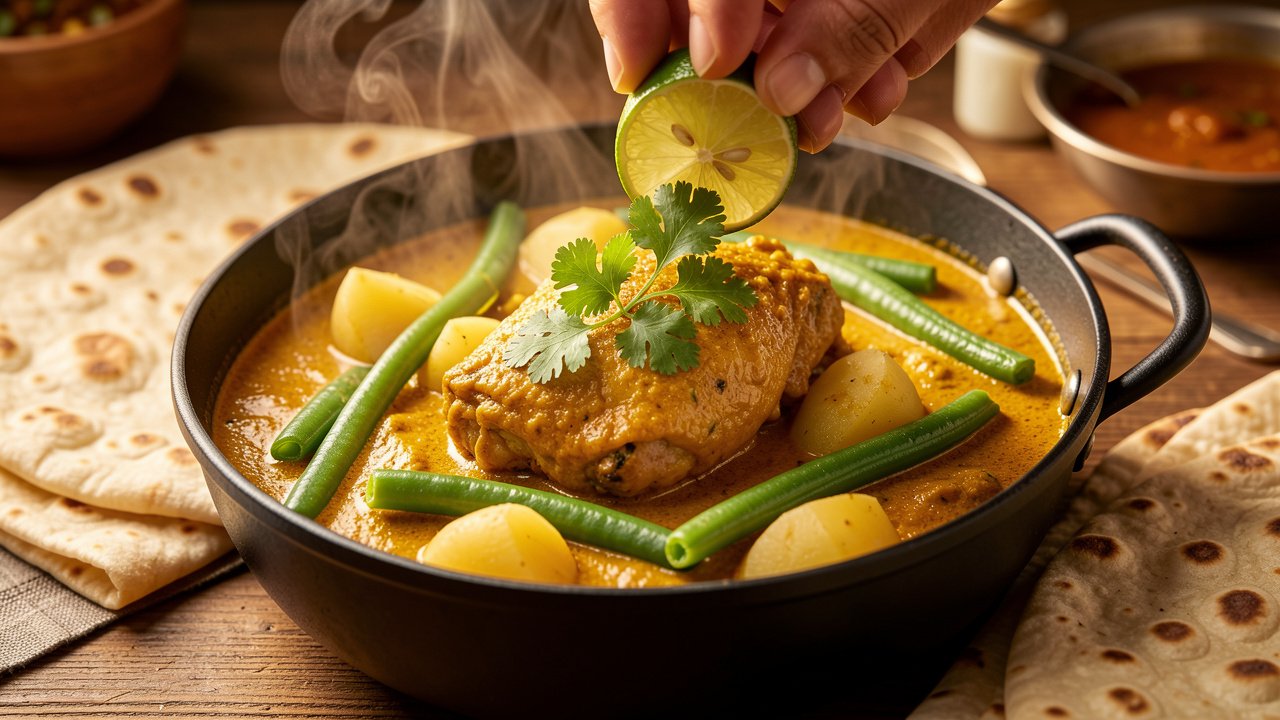
This is the curry that defines a Surinamese Sunday table: a deep golden-yellow masala clinging to tender chicken, soft potatoes, and snappy long beans, all scooped up with torn pieces of roti. It tastes of two worlds at once, the spice roads of northern India carried across an ocean and settled into the Caribbean coast of South America.
The lesson I learned early is that the masala has to be fried, not just stirred in. The first time I rushed it and added the curry powder straight to a watery pan, the whole dish tasted raw and dusty. Give the spices their time in the oil and the payoff is a rounded, savory depth you cannot fake.
Why This Surinamese Chicken Curry Works
Surinamese cooking is a masterclass in building flavor from humble parts. There is no long list of exotic ingredients here, just onion, garlic, ginger, tomato, and a good masala blend, coaxed patiently until they become far more than the sum of their parts. The tomato does quiet but essential work, melting into the sauce to add body and a gentle tang that balances the earthy spice.
The most important move is frying the masala. In Surinamese kitchens the curry powder is bloomed in hot oil with the aromatics until it darkens and smells nutty and toasted. This one step is the difference between a curry that tastes deep and one that tastes flat and powdery. Skip it and you can taste the raw spice in every bite.
Bone-in chicken is the traditional choice, and it earns its place. As the pieces simmer, the bones enrich the sauce and keep the meat juicy, so the finished curry has a savory backbone you cannot get from lean fillets alone. The potato soaks up that sauce and turns silky, while the long beans, called kousenband, stay bright and give the dish welcome texture.
Finally, the finishing touches keep it lively. A squeeze of lime cuts through the richness, fresh herbs lift the aroma, and a whole madame jeanette pepper perfumes the pot with fruity heat you can control by how long you leave it in. It is a complete, satisfying meal built for tearing into with roti.
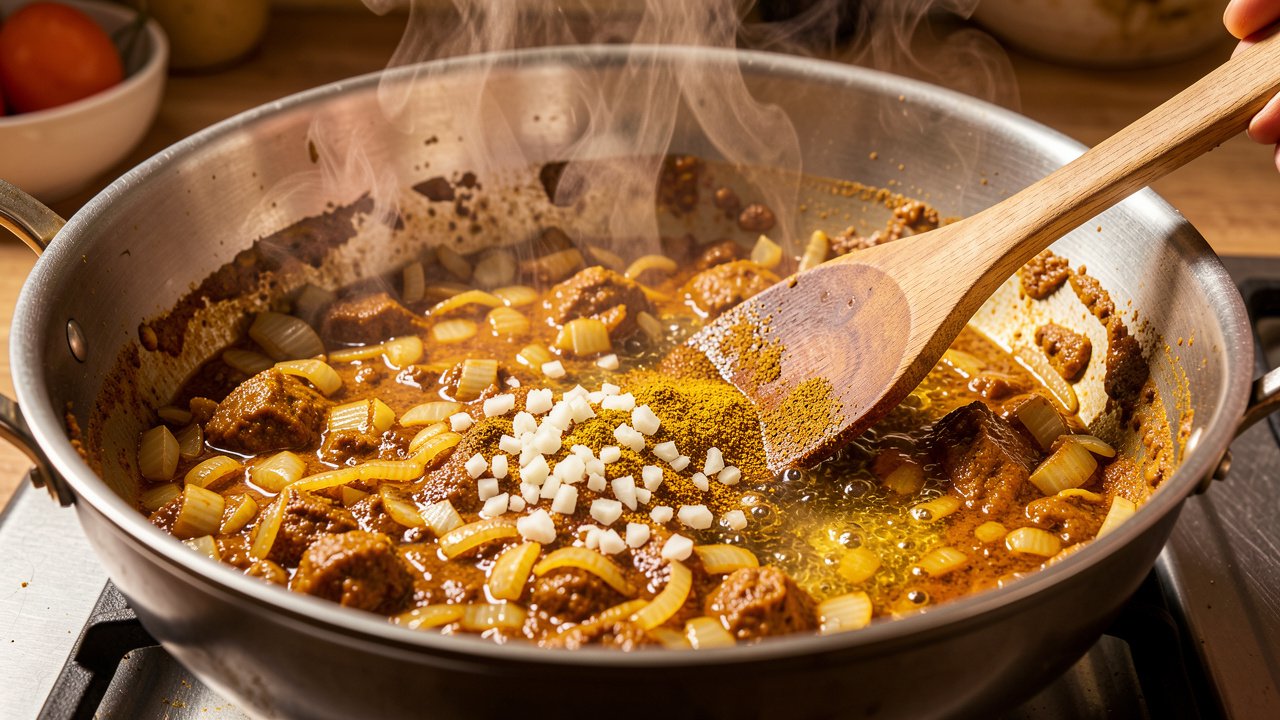
Pro observation: The masala base is ready for the chicken when the oil takes on the color of the spices and glistens at the edges of the onions. That glossy, deepened look means the raw edge has cooked out.
Ingredients
Kitchen Measurement Converter
Quickly convert between common cooking measurements without leaving the recipe. Pick a category, enter a value, and the result updates instantly.
Ingredient Notes & Substitutions
Halal Chicken
Bone-in thighs and drumsticks give the richest sauce and the juiciest meat. Use certified halal chicken. Boneless thighs work for a quicker version, but cut the simmer time so they do not dry out.
Surinamese Masala
Surinamese curry powder (masala or garam) is the soul of the dish. A good Caribbean or Hindustani curry blend is the closest swap. Look for one heavy on cumin, coriander, and fenugreek.
Tomato
Ripe fresh tomatoes plus a spoon of tomato paste build a savory, faintly sweet base. Out of season, one 14-ounce can of chopped tomatoes is more reliable than pale winter ones.
Long Beans and Pepper
Kousenband, or yardlong beans, hold their bite beautifully; green beans are a fine stand-in. The madame jeanette (a scotch bonnet relative) adds fruity heat, so add it whole and remove it to taste.
Equipment
- Wide, heavy pot or Dutch oven
- Wooden spoon
- Sharp knife and board
- Box grater or microplane
- Measuring spoons
- Small bowl for spices
Before You Start
1. Season the chicken early. Toss the pieces with a little salt, garlic, and lime while you prep the rest. Even fifteen minutes makes the meat taste more seasoned through.
2. Have the masala ready. Frying the spices happens fast, so measure the curry powder, cumin, and turmeric into a small bowl before the oil is hot.
3. Warm your roti last. This curry is best with fresh, warm roti or steamed rice, so heat the flatbread just before serving while the curry rests off the heat.
Step-by-Step Instructions
Prep and Season
Cut the halal chicken into serving pieces and pat dry. Toss with half the garlic, a squeeze of lime, and half a teaspoon of salt. Chop the onions and tomatoes, grate the ginger, cube the potatoes, and trim the long beans into two-inch lengths. Measure the masala, cumin, and turmeric into a small bowl so they are ready to go in together.
Fry the Masala
Heat the oil in a wide pot over medium heat. Add the onions and cook 6 to 7 minutes until soft and golden. Stir in the remaining garlic and the ginger and cook 1 minute more. Add the masala, cumin, and turmeric and fry them in the oil for 60 to 90 seconds, stirring constantly, until the spices darken and smell toasted and nutty. Add a splash of water if the pan looks dry so the spices do not scorch.
Brown the Chicken
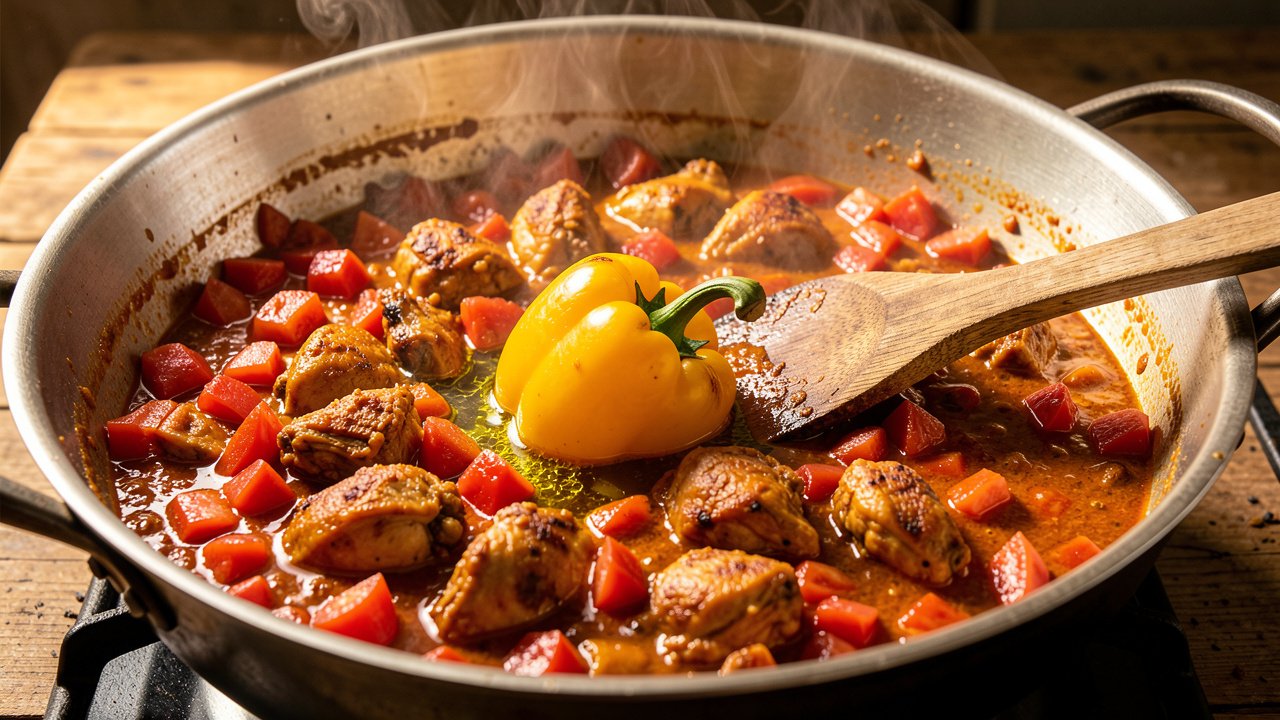
Raise the heat slightly and add the chicken pieces. Turn them in the fragrant masala until they are coated and the outsides begin to color, about 5 minutes. This searing locks in flavor and starts building the savory base that will flavor the whole pot.
Build the Tomato Base
Stir in the chopped tomatoes and tomato paste along with the remaining salt. Cook 6 to 8 minutes, stirring, until the tomatoes collapse into a thick, jammy sauce and the oil starts to glisten at the edges. Pour in the water or stock and tuck the whole madame jeanette pepper into the pot, keeping it intact so it perfumes without overwhelming.
Simmer with Potato
Add the cubed potatoes, cover, and lower the heat to a steady simmer. Cook 20 to 25 minutes, stirring now and then, until the chicken is cooked through and the potatoes are tender enough to crush against the side of the pot. Check that the chicken reaches an internal temperature of 165F (74C) at the thickest part before moving on.
Add Beans, Lime, and Serve
Stir in the long beans and cook uncovered for 6 to 8 minutes, until they are just tender but still bright green. Remove the whole pepper (or mash a little of it in for more heat). Turn off the heat, squeeze in the lime juice, and scatter the fresh cilantro and celery leaf over the top. Serve hot with warm roti or steamed rice.
Chef’s Tips From Real Kitchen Testing
Fry the masala until it darkens and smells toasted before any liquid goes in. This single step is what separates a rich Surinamese curry from a raw, dusty one.
Keep the pepper whole and taste as you go. Left intact it lends fruity aroma with mild heat; pierced or mashed it turns the pot genuinely fiery.
Use a thermometer for peace of mind. Chicken is safely done at an internal temperature of 165F (74C), and bone-in pieces are juiciest cooked to just that point, not beyond.
Recipe Variations
Serving Suggestions
- Warm roti flatbread for scooping
- Steamed white or basmati rice
- A side of amsoi or sauteed greens
- Lime wedges and extra fresh herbs
Nutrition Facts
| Nutrient | Amount per serving |
|---|---|
| Calories | 430 |
| Protein | 32 g |
| Carbohydrates | 24 g |
| Fat | 22 g |
| Saturated Fat | 5 g |
| Fiber | 4 g |
| Sugar | 6 g |
| Sodium | 720 mg |
Values are estimates per serving and vary with the exact cuts, brands, and roti or rice you serve alongside.
Make-Ahead Tips
Like most curries, this one tastes even better the next day, once the masala has had time to settle into the chicken and potato. Cook it a day ahead, cool, and refrigerate. Reheat gently and stir in a splash of water to loosen the sauce, since it thickens as it sits. Add the long beans and lime fresh when you reheat if you want them at their brightest.
Storage, Freezing & Reheating
Common Mistakes to Avoid
Troubleshooting
Curry tastes flat? It usually needs salt and a squeeze more lime to wake the flavors, or a minute longer for the masala to bloom next time.
Sauce too thin? Simmer uncovered a few more minutes, or mash a cube or two of the cooked potato into the sauce to thicken it naturally.
Too spicy? Remove the pepper right away, add a splash of water, and serve with extra roti or rice to mellow the heat.
A Note on Surinamese Cooking
Suriname sits on the northern coast of South America, but its kitchen is a Caribbean melting pot shaped by Hindustani, Javanese, and Creole communities who arrived over generations. Kip masala carries the clearest Hindustani fingerprint: the same masala-and-roti tradition that traveled from northern India, reimagined with local produce like kousenband and the fiery, fruit-scented madame jeanette pepper. It is home cooking, generous and unfussy, meant to be shared. If you enjoy warming, spiced tomato dishes, browse our full collection of tomato recipes or try the gentler, creamy comfort of our creamy Indian tomato soup.
Frequently Asked Questions
More Tomato Recipes to Try
Last updated: September 23, 2026