Louisiana Recipes
Louisiana Shrimp in a Spiced Tomato Sauce
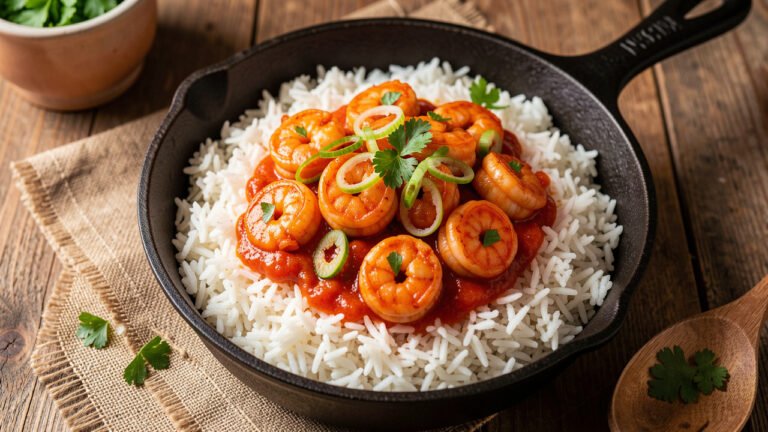
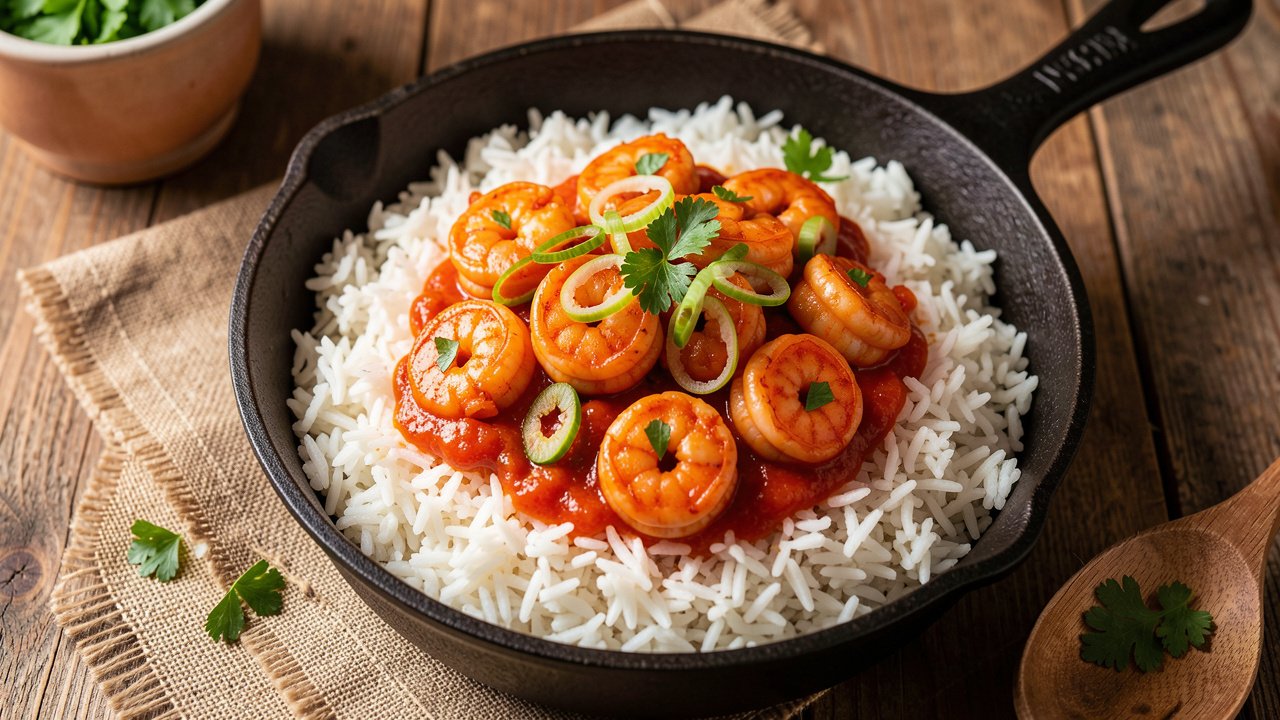
Shrimp Creole is the kind of weeknight dinner that tastes like it took all day. The sauce is bright and lively rather than heavy, the shrimp stay tender and sweet, and everything comes together in one pan while the rice cooks alongside. It is comfort food with a backbone of spice.
The secret I learned the hard way is timing. The sauce can bubble away happily for a while, but the shrimp need only a few minutes at the very end. Add them too early and they turn tough and rubbery; add them at the right moment and they stay plump and juicy.
Why This Shrimp Creole Works
Creole cooking is built on layered flavor, and this dish gets there without a long, fussy process. It starts with the holy trinity, the Louisiana version of a French mirepoix, where onion, celery, and green bell pepper soften together into a sweet, savory foundation. Everything good in the sauce is built on top of that base.
The tomatoes bring brightness and body. Because there is no dark roux here, the sauce stays lighter and more vibrant than gumbo, letting the shrimp and the spices take center stage. A little tomato paste deepens the color and richness, while crushed tomatoes give it a saucy, spoonable texture.
The seasoning is where it earns the name Creole. A blend of paprika, garlic, herbs, and a touch of cayenne, backed by bay and thyme, gives warmth and gentle heat. Hot sauce and a splash of Worcestershire add the tang and savory depth that make the sauce taste finished rather than flat.
Best of all, it is fast and forgiving. The sauce can simmer while you set the table, and the shrimp cook in just a few minutes at the end. Once you have the method down, you can dial the heat up or down and feed a crowd from one pan.
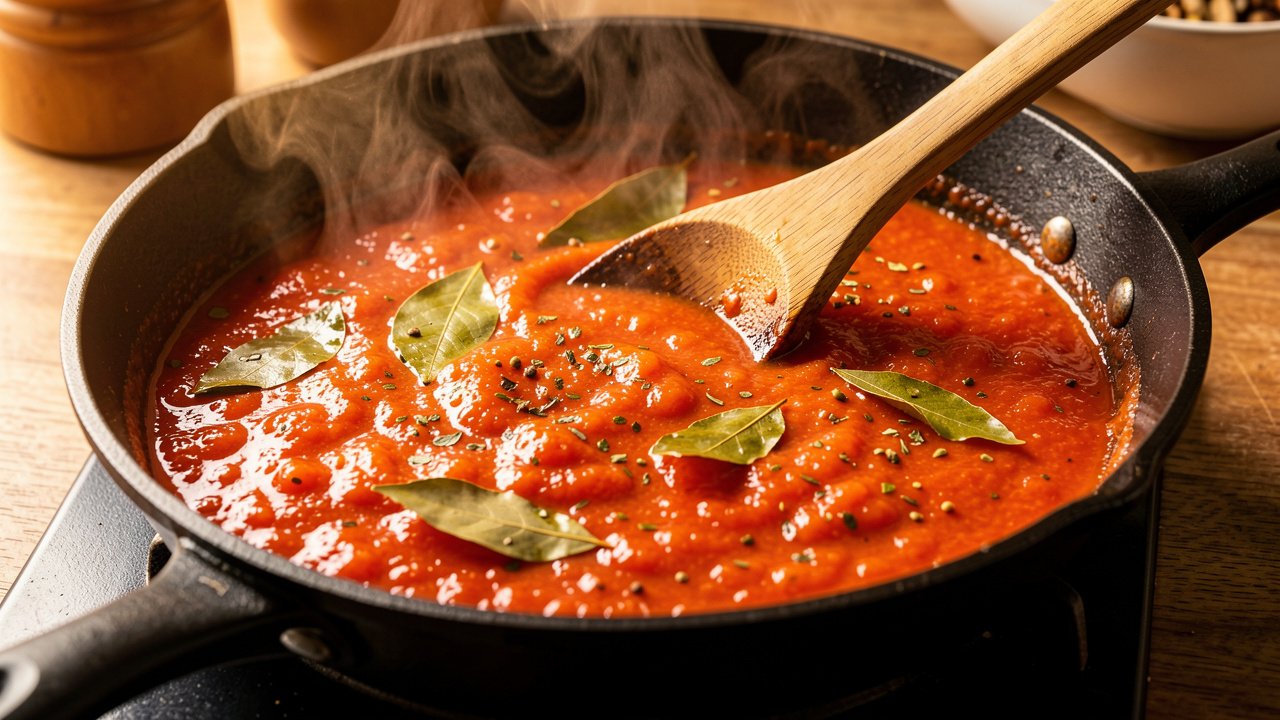
Pro observation: The sauce is ready for the shrimp when it has thickened enough to coat the back of a spoon and no longer tastes sharp or raw. That is your cue that the trinity and tomatoes have fully melded.
Ingredients
Kitchen Measurement Converter
Quickly convert between common cooking measurements without leaving the recipe. Pick a category, enter a value, and the result updates instantly.
Ingredient Notes & Substitutions
Shrimp
Use halal, medium-to-large shrimp, peeled and deveined. Fresh or thawed frozen both work well. Pat them dry before cooking so they simmer cleanly and stay plump rather than watery.
The Holy Trinity
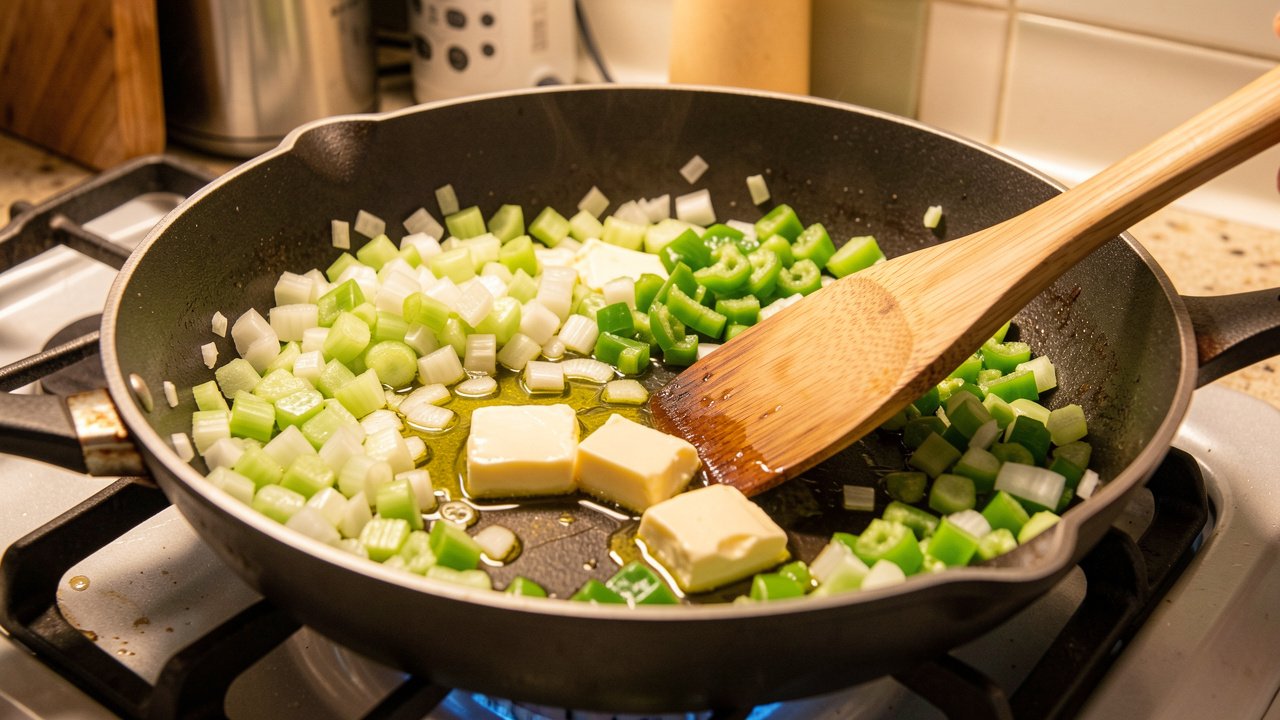
Onion, celery, and green bell pepper in roughly equal measure are the backbone of Creole cooking. Chop them evenly so they soften at the same rate and melt into the sauce.
Tomatoes
Crushed tomatoes give the sauce a smooth, spoonable body, while a spoonful of tomato paste deepens the color and richness. Diced tomatoes work too if you like a chunkier texture.
Creole Seasoning
A shop-bought blend is easy, or make your own from paprika, garlic powder, onion powder, oregano, thyme, and a pinch of cayenne. Check the salt level and adjust the added salt to taste.
Equipment
- Wide skillet or Dutch oven
- Wooden spoon
- Sharp knife and board
- Small bowl for slurry
- Rice pot or cooker
- Measuring spoons
Before You Start
1. Start the rice first. Shrimp Creole is served over fluffy white rice, so get the rice going before the sauce so both finish together.
2. Chop the trinity evenly. Dice the onion, celery, and bell pepper to a similar size so they soften at the same rate into a smooth base.
3. Pat the shrimp dry. Blot peeled shrimp with paper towels and keep them chilled until the last few minutes, so they stay firm and cook quickly.
Step-by-Step Instructions
Prep the Trinity and Shrimp
Chop the onion, celery, and green bell pepper into an even dice, and mince the garlic. Peel and devein the shrimp if needed, then pat them dry and keep them in the fridge. Mix the cornstarch with a tablespoon of cold water in a small bowl and set it aside for later.
Saute the Holy Trinity
Heat the olive oil and butter in a wide skillet over medium heat. Add the onion, celery, and green bell pepper with a pinch of salt and cook 6 to 8 minutes, stirring often, until soft and just starting to color. This sweet, savory base is the heart of the dish, so give it time.
Add Garlic and Tomato Paste
Stir in the minced garlic and cook for 1 minute until fragrant. Add the tomato paste and the Creole seasoning and stir constantly for another minute, letting the paste darken slightly and coat the vegetables. This quick toasting deepens the color and pulls out a richer, rounder flavor.
Build the Tomato Sauce
Pour in the crushed tomatoes, then add the bay leaves, thyme, hot sauce, Worcestershire sauce, sugar, salt, and black pepper. Stir to combine and bring to a gentle simmer. Cook uncovered for 12 to 15 minutes, stirring now and then, until the sauce thickens and the raw tomato edge cooks away.
Thicken Lightly
If you like a glossier, thicker sauce, give the cornstarch slurry a quick stir and pour it in, then simmer for a minute until it thickens. This gentle thickening replaces the dark roux used in gumbo and keeps the sauce bright and clean. Taste now and adjust the salt, heat, or a pinch more sugar.
Add the Shrimp and Serve
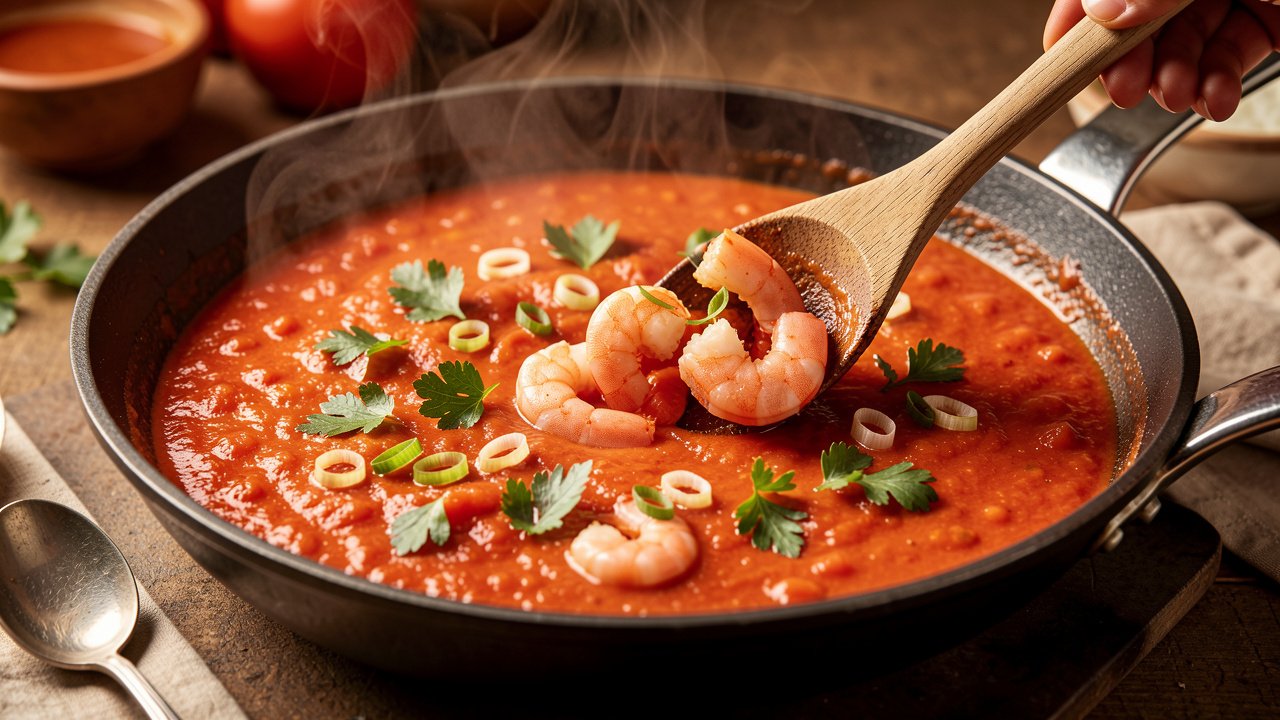
Slide the shrimp into the simmering sauce in a single layer and cook 3 to 5 minutes, stirring once or twice, just until they turn pink, opaque, and curl into a loose C shape. Fish out the bay leaves. Stir in most of the scallions and parsley, then spoon over fluffy white rice and scatter the rest of the herbs on top.
Chef’s Tips From Real Kitchen Testing
Add the shrimp only at the very end. They need just 3 to 5 minutes, and pulling them off the heat the moment they turn pink keeps them tender instead of rubbery.
Taste and season in layers. Salt the trinity as it softens, then adjust again after the sauce simmers. Creole seasoning blends vary in salt, so build up gradually.
Let the sauce reduce until it coats a spoon before the shrimp go in. A watery sauce will only get thinner once the shrimp release their juices.
Recipe Variations
Serving Suggestions
- A generous mound of fluffy white rice
- Warm cornbread or crusty French bread
- A simple green salad or steamed green beans
- Extra hot sauce and sliced scallion on the side
Nutrition Facts
| Nutrient | Amount per serving |
|---|---|
| Calories | 330 |
| Protein | 28 g |
| Carbohydrates | 38 g |
| Fat | 9 g |
| Saturated Fat | 3 g |
| Fiber | 4 g |
| Sugar | 8 g |
| Sodium | 780 mg |
Values are estimates per serving and vary with the exact ingredients and brands you use.
Make-Ahead Tips
The Creole tomato sauce is perfect for making ahead, and it actually tastes better after a rest as the spices settle. Build the sauce through the simmering step, cool it, and refrigerate for up to three days. When you are ready to eat, reheat the sauce, cook fresh rice, and add the raw shrimp only at the last minute so they stay tender. Adding shrimp fresh each time is the key to reheating without turning them tough.
Storage, Freezing & Reheating
Common Mistakes to Avoid
Troubleshooting
Shrimp turned tough? They cooked too long or at too high a heat. Next time add them at the very end and pull the pan off the stove as soon as they turn pink.
Sauce too thin? Simmer it a few minutes longer before adding the shrimp, or stir in the cornstarch slurry to thicken it gently without dulling the flavor.
Sauce tastes flat or sharp? It usually needs more salt and a pinch of sugar to balance the tomatoes, plus a dash more hot sauce or Worcestershire for depth.
A Note on Creole Cooking
Creole cuisine grew up in New Orleans as a blend of French, Spanish, African, and Caribbean influences, and it is often called city cooking, in contrast to the more rustic country style of its Cajun cousin. Both begin with the holy trinity of onion, celery, and green bell pepper, but a good rule of thumb is that Creole cooking usually includes tomatoes while classic Cajun cooking often leaves them out. That tomato base is exactly what gives shrimp Creole its bright color and tangy backbone.
Shrimp Creole is also a great starting point for exploring other spiced tomato dishes. If you love a fresh, punchy tomato flavor, try our tomato salsa alongside it, and browse the full collection of tomato recipes for more ways to put ripe tomatoes to work.
Frequently Asked Questions
More Tomato Recipes to Try
Last updated: September 23, 2026