Lamb Recipes
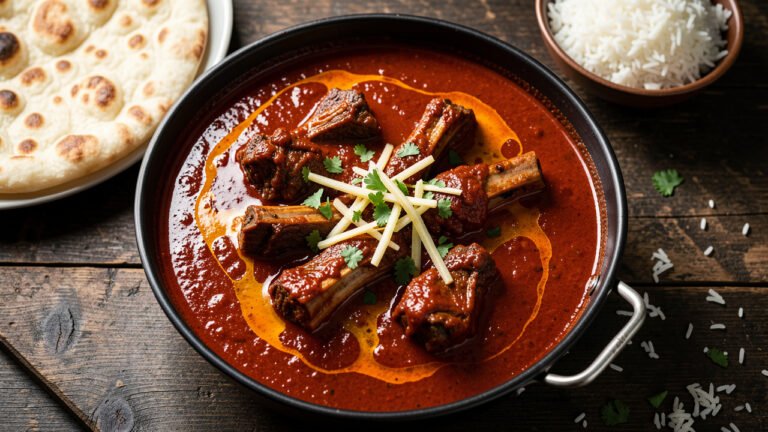
Lamb in Spicy Tomato Gravy
Last updated: July 17, 2026
“Gosht” just means meat, usually lamb or mutton, and a lamb-in-tomato-gravy curry like this turns up across the subcontinent and the Gulf under a dozen names. It is not a codified dish the way nihari is.
What it does have is a technique, and the technique is the whole point. Get the bhuna right and the gravy is deep and glossy. Rush it and you get lamb sitting in spiced tomato water.
Why This Muscat Gosht Works
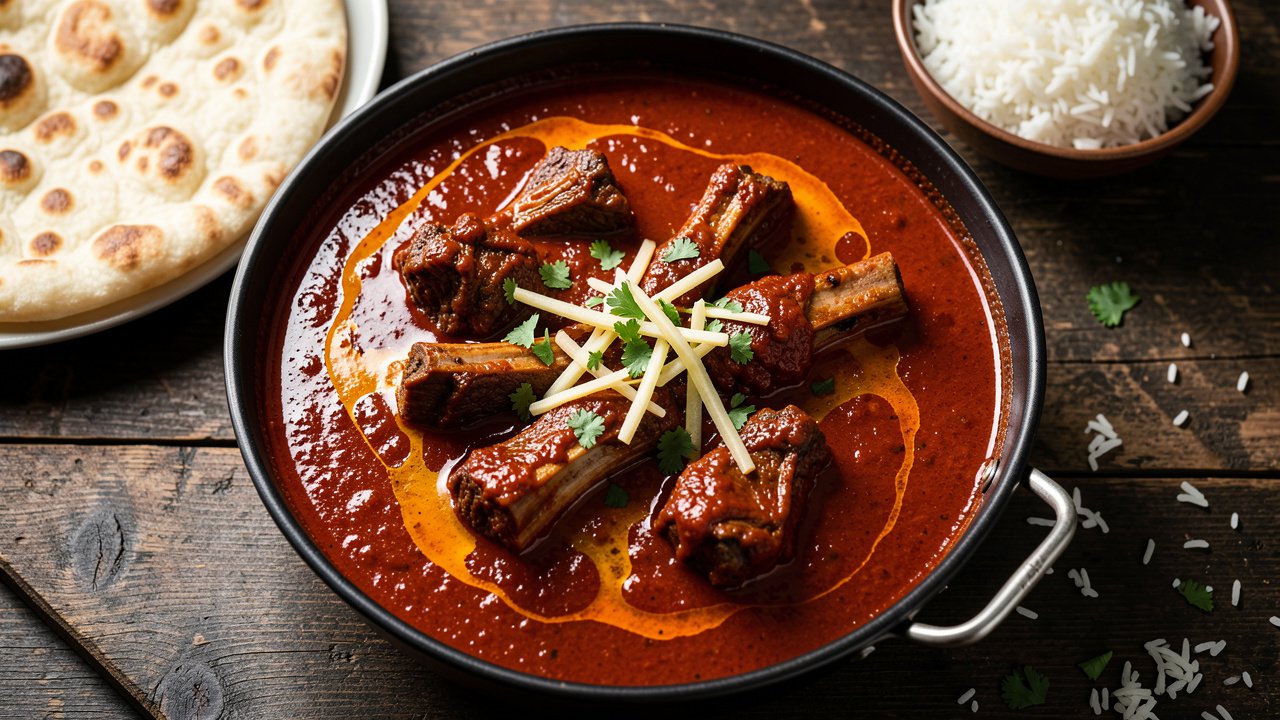
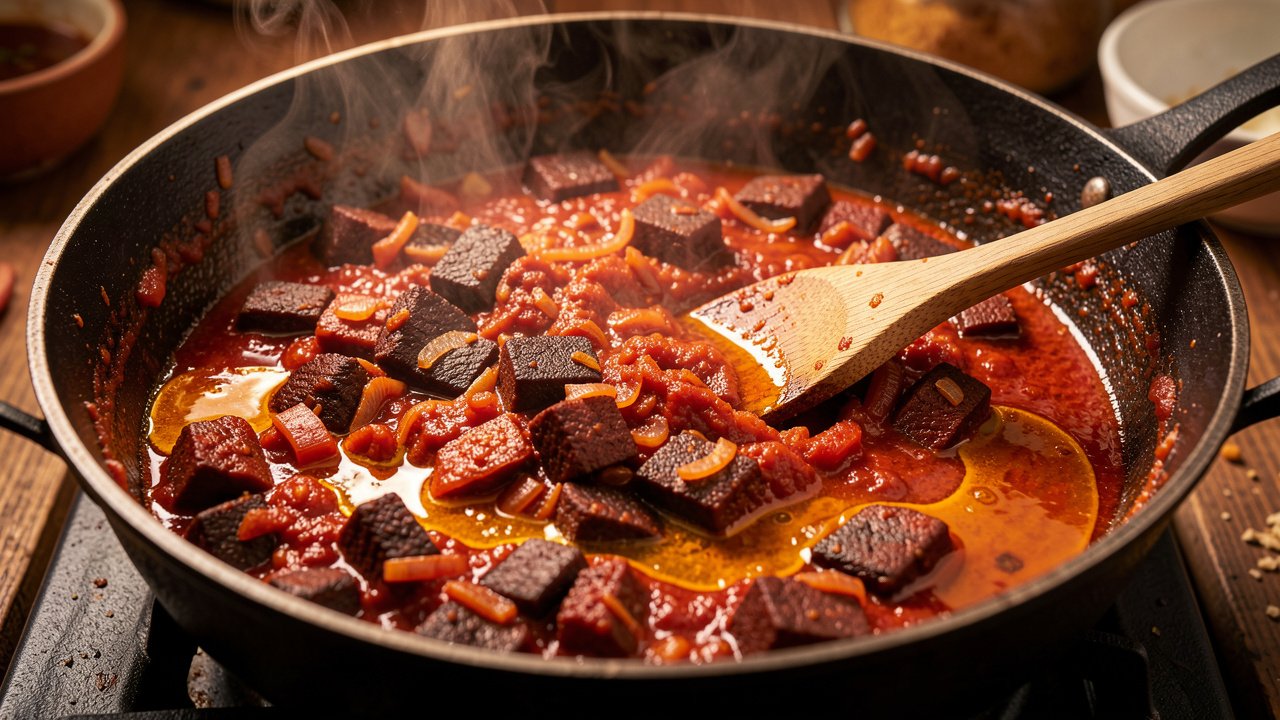
Everything good about this curry comes from one step: the bhuna. You fry the onion, ginger-garlic, tomato, and ground spices over medium heat until the water has cooked out and the ghee visibly separates into shiny orange puddles at the edge of the pan. That separation signals the spices are now frying in fat rather than stewing in liquid, which is where the deep, roasted flavor comes from. Until it happens the gravy tastes raw and thin, and no amount of extra simmering fixes it. Cooks in Southeast Asia call the same moment pecah minyak, “broken oil,” and treat it as the pass-or-fail point of a curry paste. Same principle here: do not add water until the oil has separated.
The second thing is the cut. Bone-in shoulder or leg carries connective tissue and marrow, and over a slow simmer that collagen breaks down into gelatin. Gelatin gives the gravy its silky, lip-coating body and makes the meat spoonable instead of chewy. Lean boneless lamb has almost none, which is why it turns dry and stringy however long you cook it.
Tomato does two jobs. Its acidity cuts the richness of the lamb fat, and its pulp gives the gravy body once it has cooked down and darkened from bright red to brick. Undercooked tomato tastes sharp and tinny, so fry until it stops looking like tomato and starts looking like masala.
Pro observation: The masala is done when a spoon dragged across the pan leaves the base clear for a second before the gravy slides back, with oil rimming the mass. That is the most important quarter hour of the recipe.
Ingredients
Kitchen Measurement Converter
Quickly convert between common cooking measurements without leaving the recipe. Pick a category, enter a value, and the result updates instantly.
Ingredient Notes & Substitutions
The Lamb
Ask for bone-in shoulder cut into 2-inch pieces, or bone-in leg. Shoulder has more fat and forgives overcooking; leg is leaner. Mutton or goat works but add 30 to 45 minutes. Avoid trimmed boneless loin, which has nothing to give the gravy.
Tomatoes
Ripe red tomatoes give the best balance of acid and pulp. Out of season, a 14-ounce can is more reliable than pale fresh ones and cooks down faster because it is already broken.
Yogurt
Use plain whole-milk yogurt, whisked completely smooth before it goes near the pot. Low-fat splits far more easily. It is optional; leave it out for a sharper, more tomato-forward gravy.
Kashmiri Chili
Kashmiri chili powder gives the deep red without much heat. If you only have regular chili powder, halve it and add a teaspoon of sweet paprika for color.
Equipment
- Heavy pot or Dutch oven
- Tight-fitting lid
- Wooden spoon
- Tongs for browning
- Sharp knife and board
- Small bowl for spices
Before You Start
1. Dry the lamb and take the chill off. Pat the pieces dry and let them sit out 20 minutes. Wet, fridge-cold meat steams instead of browning.
2. Separate your spices into two piles. Whole spices go in first, ground spices much later. Mixing them up is the most common way to burn a batch.
3. Clear two hours. The active work is front-loaded into the first 40 minutes; after that the pot looks after itself.
Step-by-Step Instructions
Brown the Lamb in Batches
Heat the ghee in a heavy pot over medium-high heat until it shimmers. Add the lamb in two or three batches, leaving space between the pieces, and let each side sit undisturbed 2 to 3 minutes until deep brown. Do not crowd the pot: too much meat drops the temperature, the lamb releases water, and it grays and steams instead of searing. Lift the pieces out and keep the brown crust stuck to the bottom. That fond is free flavor.
Bloom the Whole Spices
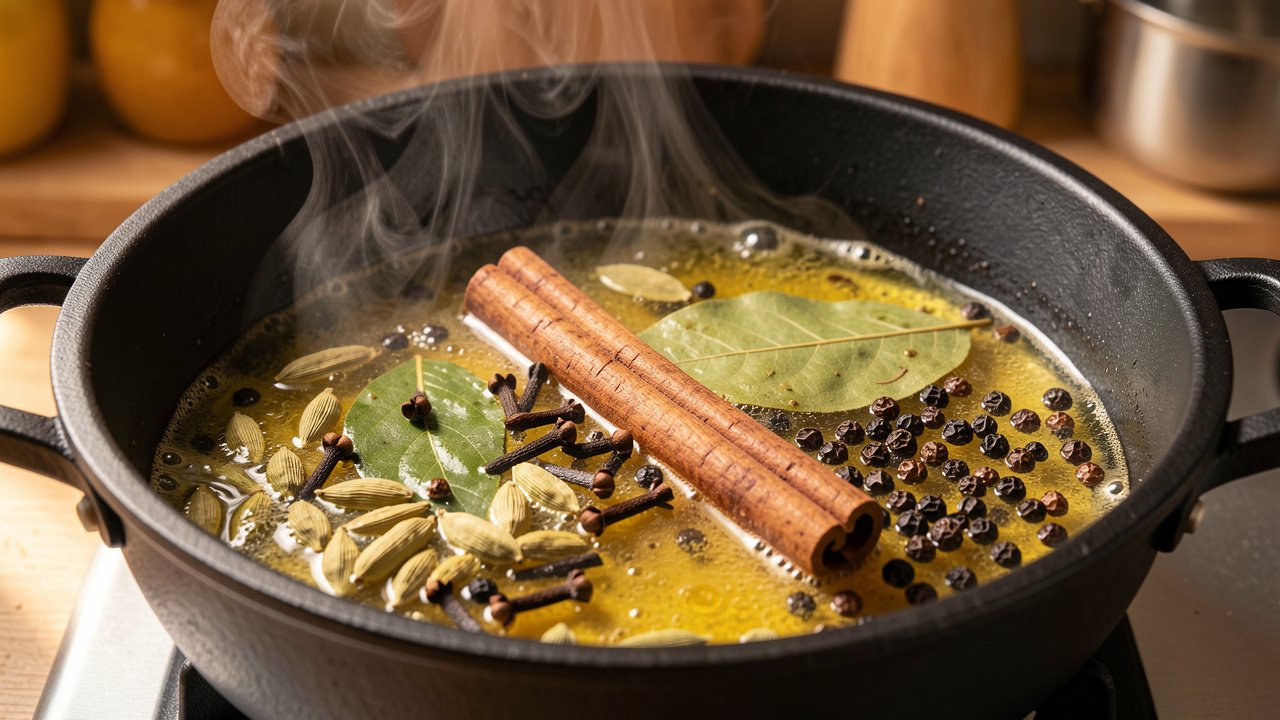
Lower the heat to medium. Add the cinnamon, green and black cardamom, cloves, bay leaf, and peppercorns and stir 40 to 60 seconds, until the cardamom puffs and the kitchen smells sweet and woody. Whole spices hold their aromatic compounds in a hard shell and need time in hot fat to release them. Ground spices burn in seconds, which is why they do not go in yet. This ordering is the difference between fragrant and acrid.
Brown the Onions, Then the Paste
Add the sliced onions and a pinch of salt and cook 10 to 12 minutes, stirring often, until well past soft and into an even golden brown. The salt pulls water out and speeds this up, and the onion liquid lets you scrape the fond loose. Stir in the ginger-garlic paste and cook 90 seconds more, until the raw, sinus-sharp smell disappears.
Bhuna the Masala Until the Oil Separates
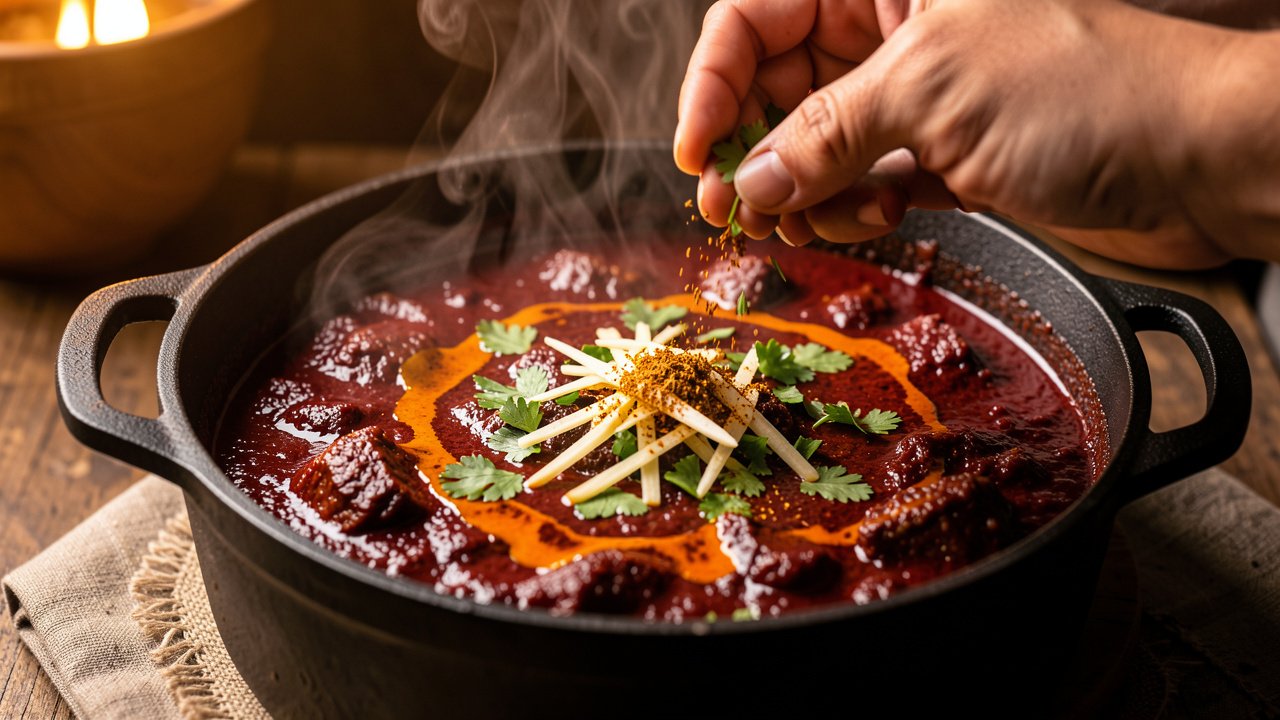
Now the ground spices: coriander, cumin, turmeric, and Kashmiri chili. Stir them into the onion for 20 to 30 seconds only, then immediately add the tomatoes and salt so the liquid stops them scorching. Fry over medium heat, stirring and scraping every minute, for 12 to 15 minutes. The tomatoes collapse, thicken, darken from bright red to brick, and finally the ghee breaks out and pools in orange rings around the edge. Do not move on until you see that oil. If the pan dries out early, add a tablespoon of water and keep going.
Add the Yogurt, Then the Lamb and Water
Pull the pot off the heat and let it stop bubbling. Whisk the yogurt smooth, then stir it in a spoonful at a time. Yogurt proteins tighten and clump when they hit high heat too fast, which is what splitting looks like: grainy white curds in the gravy. Adding it slowly, off the heat, keeps it emulsified.
Return the lamb and its juices, add the green chilies, and stir until coated. Pour in the hot water, bring to a bare simmer, then drop to low and cover. Cook 90 minutes to 2 hours, stirring every 30 minutes, until a piece pulls apart under a spoon. Low is the operative word: a hard boil tightens muscle fiber and squeezes water out faster than collagen can turn to gelatin.
Finish with Garam Masala and Rest
Uncover and check the gravy. If it is looser than you want, simmer uncovered 5 to 10 minutes; the oil should rise back to the surface. Turn off the heat and only now stir in the garam masala. It is an aromatic finish, not a base spice, and its volatile oils boil away if added an hour early. Scatter the ginger and cilantro over the top and let the pot sit, covered, 10 minutes before serving.
Chef’s Tips From Real Kitchen Testing
A pressure cooker is a legitimate shortcut, but name the tradeoff: tender lamb in about 25 minutes instead of two hours, at the cost of some slow flavor development. You cannot bhuna under a sealed lid because nothing evaporates, so fry the masala fully before sealing, or depressurize and fry the gravy down afterward.
Keep one or two marrow bones in even if the butcher offers to remove them. Marrow melts into the gravy over the long simmer and adds a richness extra fat cannot replicate.
Taste for salt only at the end. The gravy reduces by roughly a third over two hours, so a pot seasoned correctly at the start is over-seasoned by the finish.
Recipe Variations
Serving Suggestions
- Plain basmati rice, which lets the gravy lead
- Naan, roti, or khameeri bread for mopping
- Sliced raw onion with lemon and a pinch of salt
- Cucumber and mint raita to cool the chili
Nutrition Facts
Values are estimates per serving of curry, without rice or bread, and vary with the fat content of the lamb.
Make-Ahead Tips
This is genuinely better on day two. Overnight, the gelatin from the bones sets the gravy into a soft jelly and the fat-soluble spice compounds keep migrating into the fat and meat, giving a rounder flavor without the sharp edge a freshly finished pot can have.
Cook it a day ahead, cool quickly, and refrigerate covered. Reheat gently with a splash of hot water, holding back the garam masala, ginger, and cilantro until then.
Storage, Freezing & Reheating
Common Mistakes to Avoid
Troubleshooting
Lamb still tough after two hours? Almost always undercooked, not overcooked. Collagen needs time and moisture. Add a splash of hot water, cover, and give it another 30 minutes on low.
Yogurt split into grainy curds? The pot was too hot. Pull it off the heat and whisk hard; a spoonful of fresh whisked yogurt or a little cream usually pulls it back together. It will still taste fine.
Gravy thin and watery? The bhuna was cut short, or you added too much water. Simmer uncovered until the oil rises again.
Tastes bitter? Scorched ground spices or burnt garlic. A badly burnt masala cannot be rescued, but sugar and an extra spoon of yogurt will mask a mild case.
Flat despite the spices? Nine times out of ten it needs salt, not more masala.
A Note on the Name and the Technique
Worth repeating plainly: “muscat gosht” is not a canonical dish with a documented pedigree, and there is no royal origin story to tell. What is true is the family it belongs to. Slow-cooked lamb curries built on a fried tomato-and-onion masala are a very old tradition across the subcontinent, and the Indian Ocean spice trade did carry cardamom, cloves, and pepper between the Malabar coast and the ports of the Arabian peninsula for centuries. Muscat sat on that route. The name gestures at that connection rather than documenting a recipe.
The technique, though, is precise and teachable. Learn to read the oil separating and you can cook a hundred dishes in this idiom. For more spiced tomato cooking, our creamy Indian tomato soup uses a gentler version of the same masala logic, and our hearty tomato lentil soup leans on cooking tomato past the raw stage.
Frequently Asked Questions
More Tomato Recipes to Try

Urooj Mukhtar is a classically trained chef and food blogger at TomatoAnswers.com, creating healthy, seasonal, plant-based recipes that put tomatoes at the center of the plate. She focuses on making nutritious, flavour-forward home cooking both accessible and delicious.