Somali Recipes
Quick Diced Beef Stir-Fry
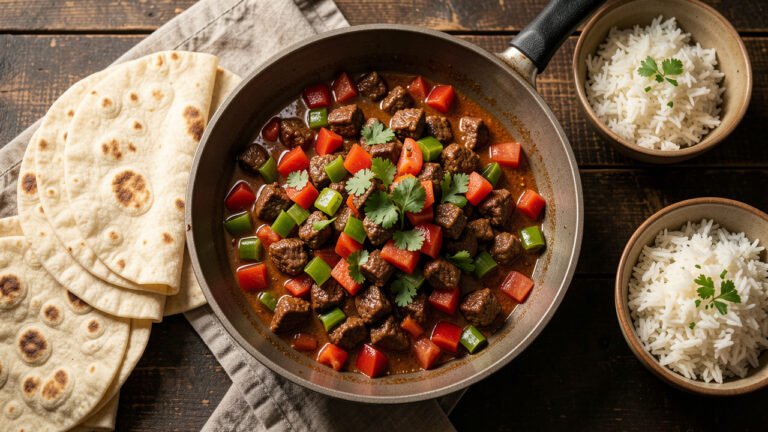
Suqaar is the dish I reach for on a busy weeknight when I want something that tastes slow-cooked but is on the table in half an hour. Cutting the beef into small, even dice is the whole trick: little cubes sear quickly, stay tender, and soak up the xawaash so every bite is seasoned all the way through.
The first time I made it I crowded the pan and ended up steaming the beef into grey, watery cubes. Once I learned to cook the meat in a hot pan with room to breathe, and to bloom the xawaash in the oil before the tomatoes went in, it turned into the fragrant, glossy suqaar I remembered from Somali kitchens.
Why This Somali Suqaar Works
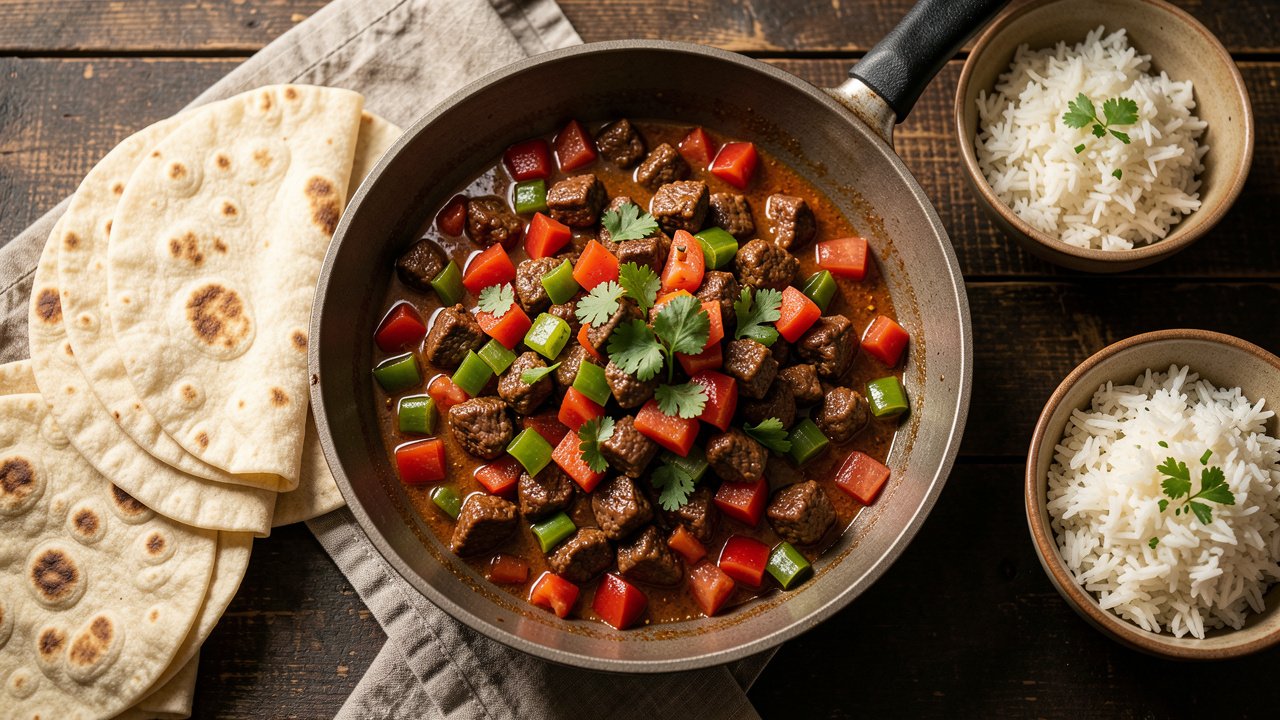
Suqaar is built on a simple idea that pays off every time: cut the halal beef into small, even cubes so it cooks fast, browns well, and carries the spices right into the center of each piece. Larger chunks would need long braising, but this quick, high-heat method keeps the meat juicy and gets dinner on the table in about 35 minutes.
The flavor engine is xawaash, the warm Somali spice blend of cumin, coriander, turmeric, cardamom, cinnamon, and black pepper. Toasting it in the oil for half a minute before the tomatoes go in wakes up the aromatics and gives the whole dish that unmistakable Somali warmth. Stirred in cold and raw, the same spices taste dusty and flat.
The tomato-onion base does the rest of the work. Softened onion and garlic build a savory foundation, the tomatoes cook down into a light, glossy sauce, and the bell pepper adds sweetness and a bit of bite. Nothing is heavy, so the beef stays the star.
Best of all, suqaar is endlessly flexible. The same base welcomes diced halal lamb or chicken, a handful of potato to stretch it further, or an extra splash of stock for a saucier version to spoon over rice. Once you know the method, you have a fast weeknight dinner you can vary all week.
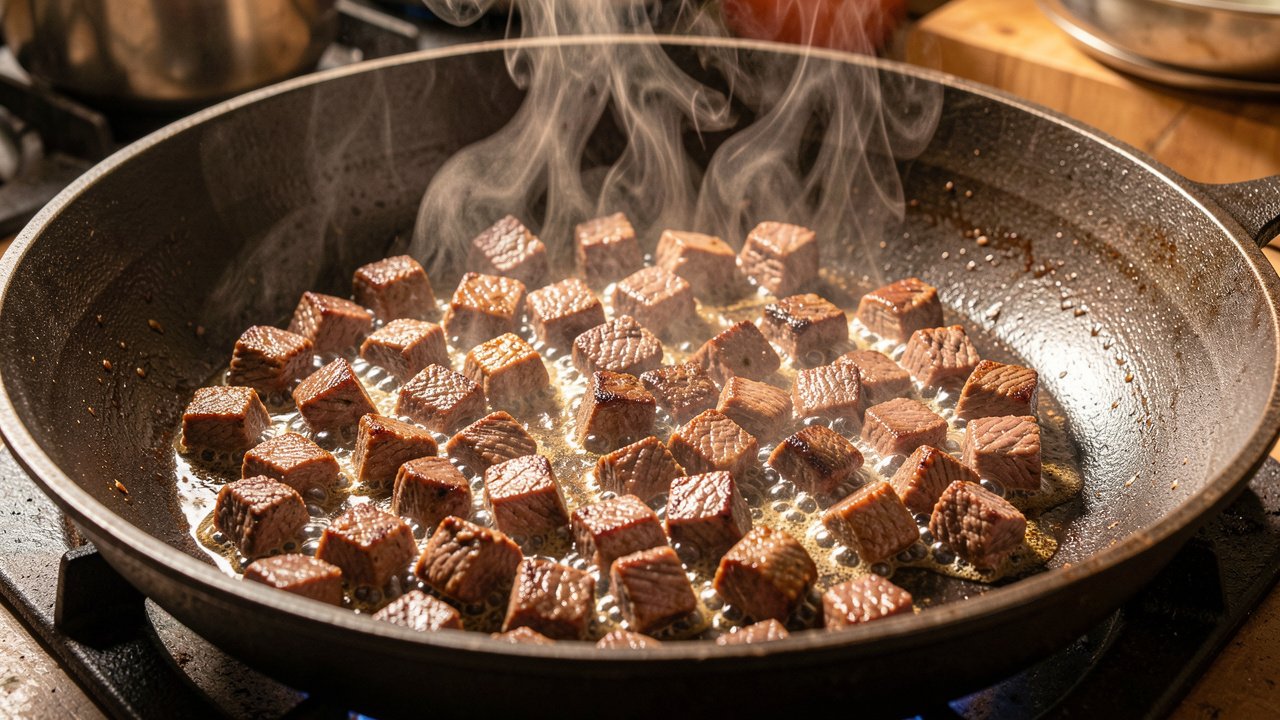
Pro observation: The beef is ready for the tomatoes when the cubes are browned on at least one side and any released liquid has cooked off. A dry, sizzling pan means you are searing, not steaming, and that is where the flavor comes from.
Ingredients
Kitchen Measurement Converter
Quickly convert between common cooking measurements without leaving the recipe. Pick a category, enter a value, and the result updates instantly.
Ingredient Notes & Substitutions
Halal Beef
A lean but tender cut such as sirloin or a well-trimmed chuck works best, cut into small half-inch cubes. Diced halal lamb is the classic alternative, and boneless chicken thigh makes a lighter version. Keep the pieces even so they cook at the same rate.
Tomatoes
Ripe, red tomatoes give the freshest, gently tangy base. Out of season, one 14-ounce can of diced tomatoes works well, and a spoon of tomato paste deepens the color and savory flavor either way.
Xawaash
Xawaash is the warm Somali blend of cumin, coriander, turmeric, cardamom, cinnamon, and black pepper. Use a ready-made mix if you have it, or measure the spices individually as listed. Toast it in the oil to bring it to life.
Bell Pepper and Heat
Green bell pepper is traditional and slightly bitter-sweet, but red or yellow work for a sweeter note. Add a chopped green chili if you like gentle heat, or leave it out to keep the dish mild for the whole family.
Equipment
- Wide, heavy skillet or pan
- Sharp knife and board
- Wooden spoon
- Small bowl for spices
- Measuring spoons
- Lid for the pan
Before You Start
1. Dice the beef small and even. Half-inch cubes cook quickly and evenly. Pat them dry with paper towel so they sear instead of steam when they hit the hot pan.
2. Measure the xawaash first. Combine the ground spices in a small bowl so they are ready to add together, because the blooming step happens fast.
3. Start your side. Suqaar is best with rice, canjeero, or chapati, so get the rice on or the bread warming before you begin the beef.
Step-by-Step Instructions
Prep the Beef and Aromatics
Cut the halal beef into small half-inch cubes and pat them dry. Finely chop the onion, mince the garlic, and dice the bell pepper and tomatoes. Combine the cumin, coriander, turmeric, cardamom, cinnamon, and black pepper in a small bowl so the xawaash is ready to go.
Sear the Beef
Heat 1 tablespoon of the oil in a wide pan over medium-high heat until it shimmers. Add the beef in a single layer, working in two batches if needed so the pan is not crowded, and let it sear undisturbed for a minute before stirring. Cook 4 to 5 minutes until browned on the outside. Remove the beef to a plate and set aside.
Soften the Onion and Garlic
Lower the heat to medium and add the remaining oil to the same pan. Add the chopped onion and cook 4 to 5 minutes until soft and golden at the edges, scraping up the browned bits left by the beef. Stir in the garlic and the optional green chili and cook 1 minute more until fragrant.
Bloom the Xawaash and Build the Base
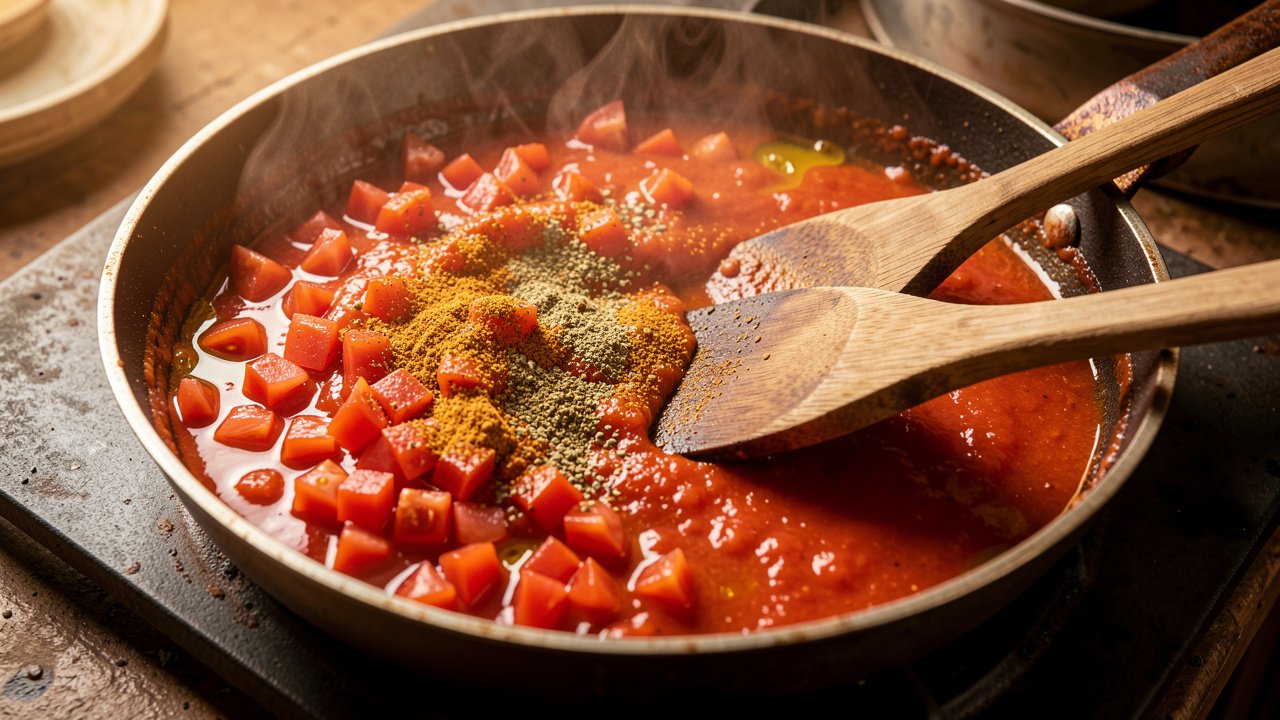
Add the xawaash and the tomato paste and stir for about 30 seconds until the spices smell toasty and the paste darkens slightly. Add the diced tomatoes and salt, then cook 5 to 6 minutes, stirring, until the tomatoes break down into a light, glossy sauce and the oil starts to show at the edges.
Return the Beef and Add the Pepper
Return the seared beef and any resting juices to the pan, then stir in the diced bell pepper and the water or stock. Bring to a gentle simmer, cover, and cook 6 to 8 minutes so the beef finishes cooking through and the pepper softens but keeps a little bite. Add a splash more stock if you like it saucier.
Finish with Cilantro and Serve
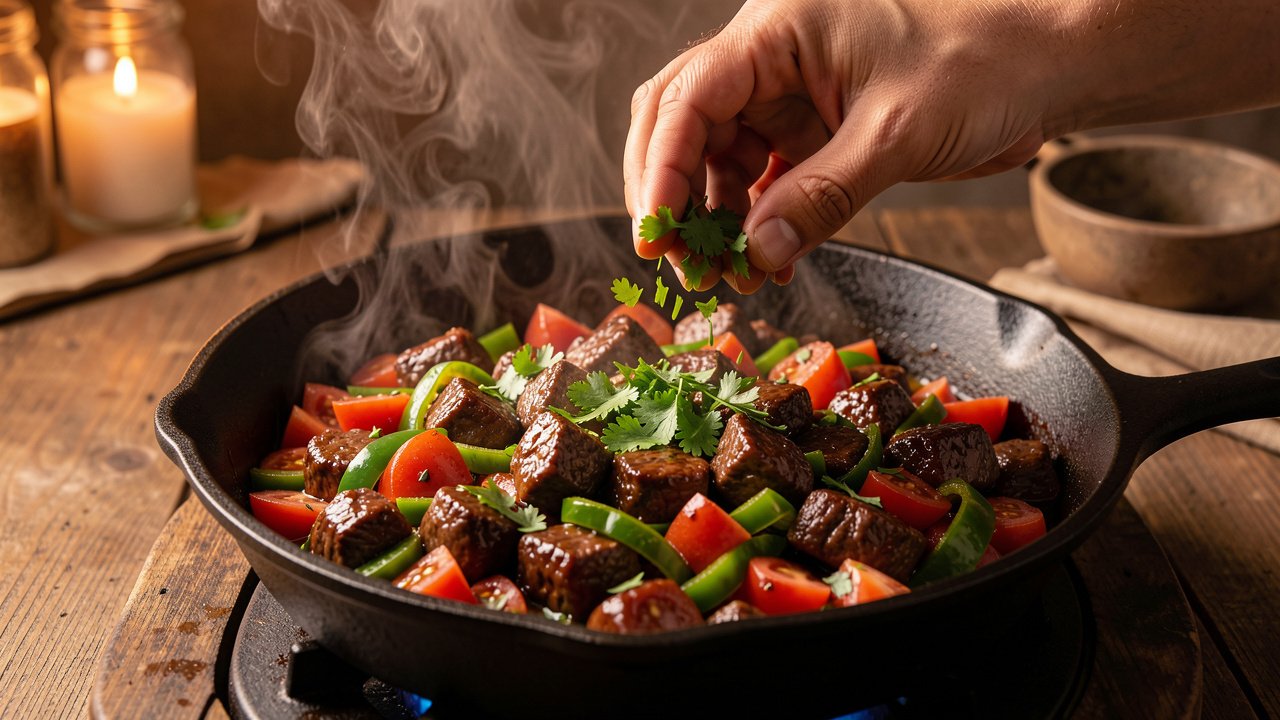
Taste and adjust the salt. Scatter the fresh cilantro over the top and give everything a gentle stir. Serve the suqaar hot with steamed rice, soft canjeero flatbread, or chapati, with lemon wedges on the side if you like a bright finish.
Chef’s Tips From Real Kitchen Testing
Sear the beef in batches. A crowded pan traps steam and the cubes turn grey and tough instead of browning. Give them room and they stay juicy with a savory crust.
Always bloom the xawaash in the oil for half a minute before the tomatoes. It removes the raw, dusty edge and unlocks the warm aroma that makes suqaar smell like a Somali kitchen.
Cut the beef small and cook it just until tender. Small cubes need only a short simmer; push them too long and they dry out and turn chewy.
Recipe Variations
Serving Suggestions
- Steamed basmati rice or Somali bariis
- Soft canjeero flatbread or warm chapati
- A fresh cucumber and tomato salad on the side
- Lemon wedges and extra fresh cilantro
Nutrition Facts
| Nutrient | Amount per serving |
|---|---|
| Calories | 340 |
| Protein | 32 g |
| Carbohydrates | 12 g |
| Fat | 19 g |
| Saturated Fat | 6 g |
| Fiber | 3 g |
| Sugar | 6 g |
| Sodium | 620 mg |
Values are estimates per serving and vary with the exact cut, ingredients, and brands you use.
Make-Ahead Tips
Suqaar reheats beautifully, and the xawaash actually deepens overnight in the fridge, so it is a smart dish to cook ahead. Prepare it fully, cool it quickly, and refrigerate. Reheat gently in a pan with a splash of water or stock to loosen the sauce, since it tightens as it sits, and stir in fresh cilantro just before serving so it stays bright.
Storage, Freezing & Reheating
Common Mistakes to Avoid
Troubleshooting
Beef came out tough? It was likely crowded, cooked too long, or from a lean cut simmered too hard. Sear in batches next time and keep the final simmer gentle and brief.
Sauce too thin and watery? Uncover the pan and let it bubble for a couple of minutes to reduce, or stir in a little extra tomato paste to tighten and enrich it.
Tastes flat? It usually needs a pinch more salt and a fresh squeeze of lemon at the end. A little extra xawaash bloomed in a touch of oil also revives tired flavor.
A Note on Somali Cooking
Somali food is warm, aromatic, and built on hospitality, and few dishes show it better than suqaar. At its heart is xawaash, the house spice blend of cumin, coriander, turmeric, cardamom, cinnamon, and black pepper that seasons everything from stews to rice. Paired with the savory tomato-onion base that starts so many Somali dishes, it gives suqaar its comforting, gently spiced character. It is often scooped up with canjeero, the soft, spongy fermented flatbread served at breakfast and beyond, or spooned over fragrant bariis rice. If you enjoy warmly spiced tomato dishes, our creamy Indian tomato soup shares the same cozy, aromatic spirit, and you can browse more ideas in our full collection of tomato recipes.
Food-safety note: Cook the diced halal beef until it is no longer pink in the center and any juices run clear, to a safe internal temperature of about 160 F (71 C). Because the cubes are small they reach this quickly, so check a piece from the middle of the pan before serving.
Frequently Asked Questions
More Tomato Recipes to Try
Last updated: September 23, 2026