Filipino Recipes
Filipino Chicken in Tomato Sauce
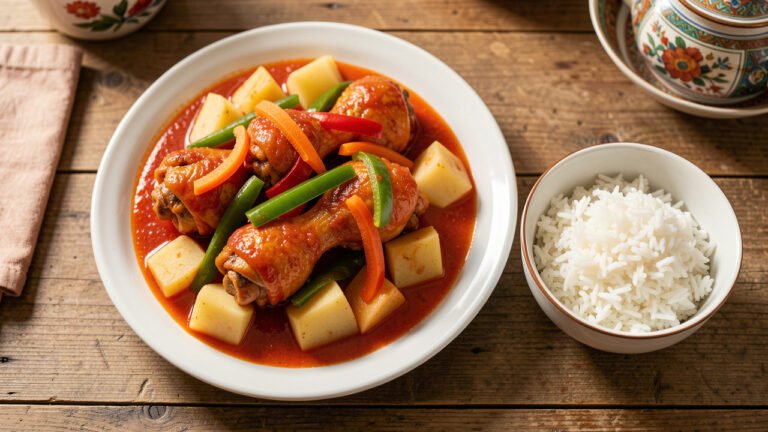
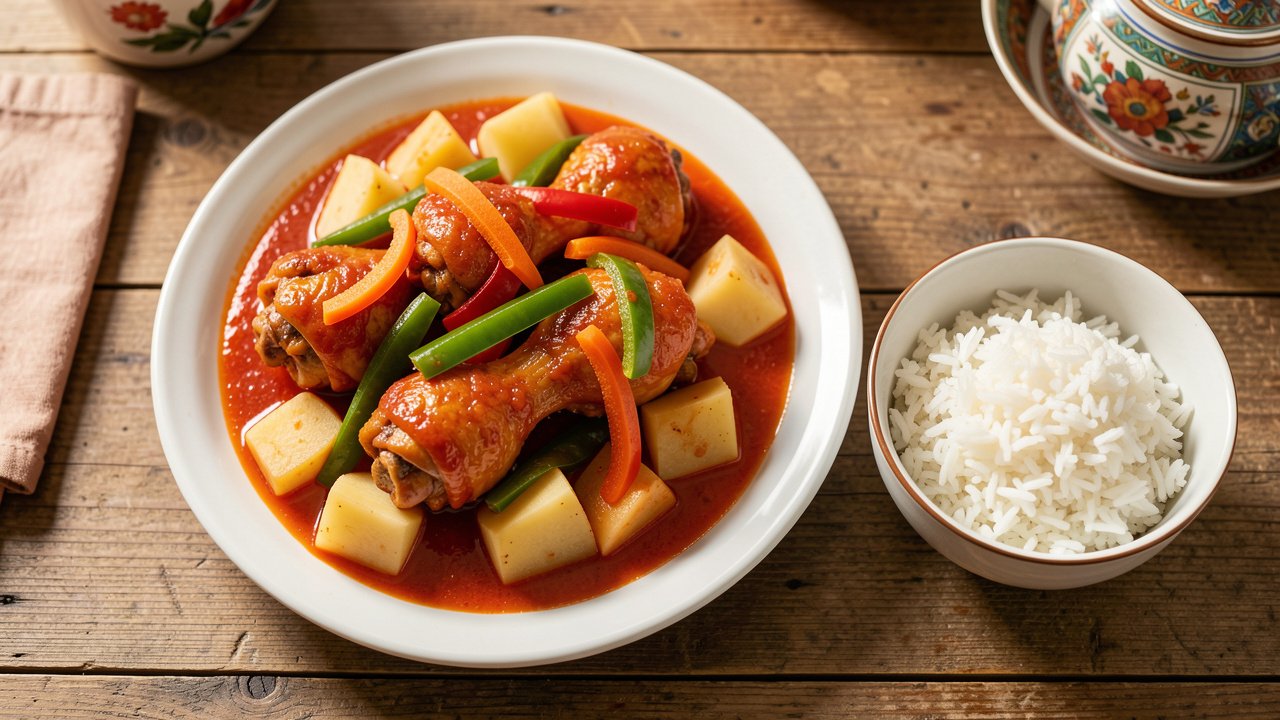
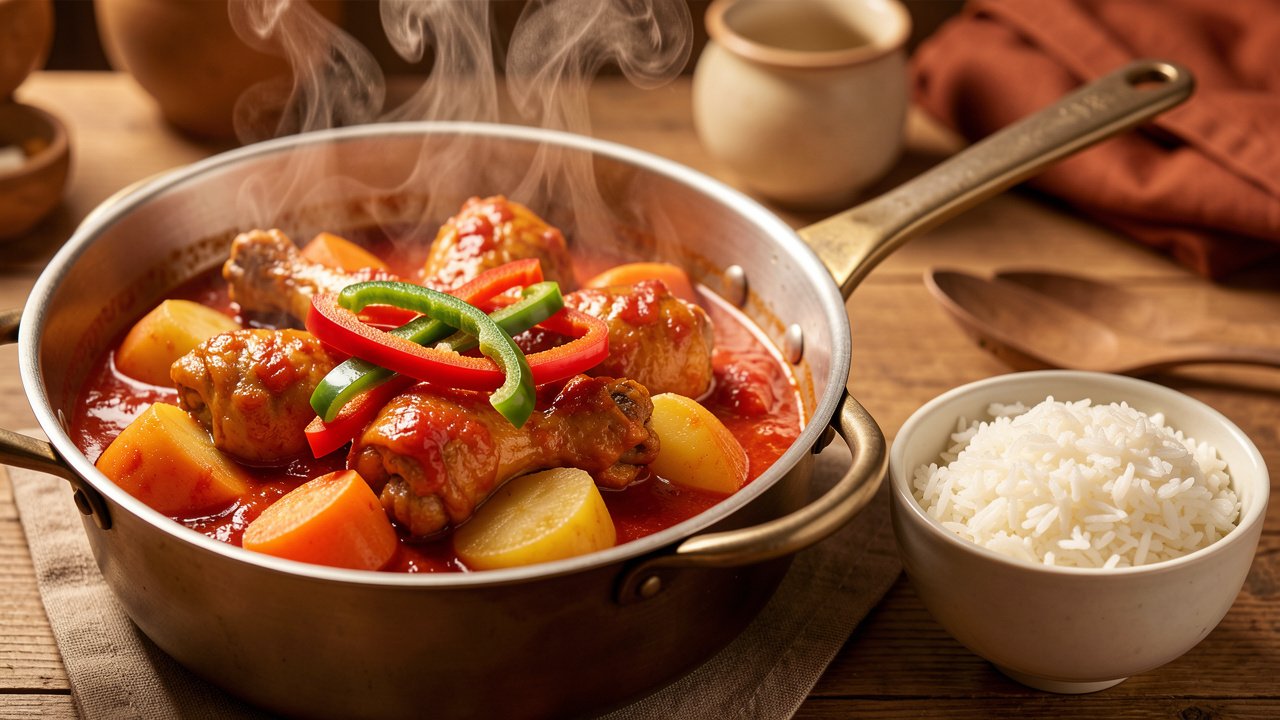
Afritada is the kind of dish that turns a plain weeknight into something that feels like a family Sunday. Tender chicken, soft potatoes, and sweet bell peppers sit in a glossy tomato sauce that tastes far richer than its short ingredient list would suggest. It is the dish I reach for when I want everyone at the table happy without standing over the stove all afternoon.
Why This Chicken Afritada Works
Afritada belongs to a small family of Filipino tomato-based stews, and its charm is in the balance. The tomato sauce is savory and a little sweet, the chicken turns fork-tender as it simmers, and the potatoes quietly thicken the whole pot as their starch releases into the sauce. Nothing here is fussy, but every part is pulling its weight.
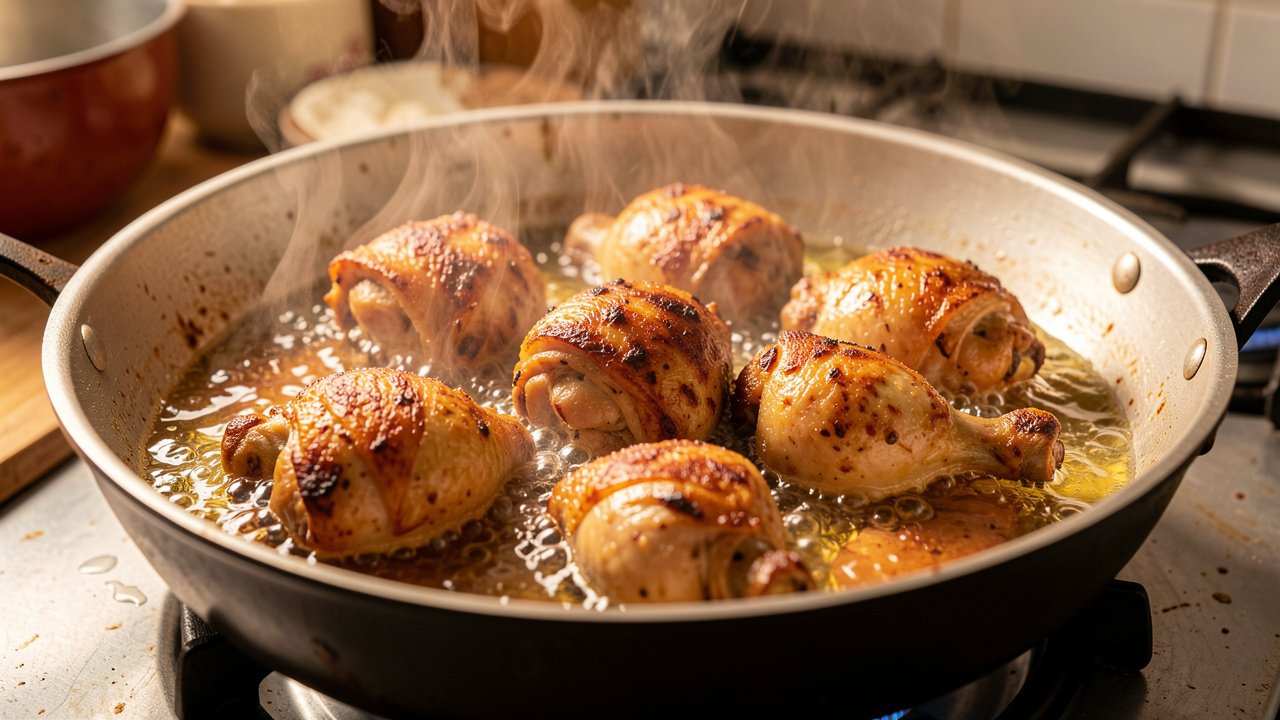
The single most important step is browning the chicken first. Taking a few minutes to sear the bone-in pieces in hot oil builds a deep, roasted flavor and gives the sauce its meaty backbone. Skip it, and the stew still cooks, but it tastes pale and one-note, more like boiled chicken in ketchup than a proper afritada.
Cooking the aromatics and blooming the tomato sauce before you add liquid is the other quiet secret. Softening the onion and garlic, then letting the tomato sauce fry for a minute or two, drives off the raw, tinny edge and concentrates the flavor so the finished sauce tastes cooked-down and round.
It is also forgiving and flexible. Bone-in thighs and drumsticks give the richest result, but the same method welcomes chickpeas for a heartier pot, a pinch of chili for heat, or a swap to beef for a slower, meatier version. Once you know the sequence, dinner practically runs itself.
Pro observation: The sauce is ready to serve when it clings to the back of a spoon and the potatoes are tender all the way through. If it still looks thin, uncover the pot and let it bubble a few minutes to reduce.
Ingredients
Kitchen Measurement Converter
Quickly convert between common cooking measurements without leaving the recipe. Pick a category, enter a value, and the result updates instantly.
Ingredient Notes & Substitutions
Chicken
Bone-in, skin-on thighs and drumsticks give the richest, most tender result and the best flavor in the sauce. Use halal chicken. Boneless thighs work if you prefer, but reduce the simmer time so they do not dry out.
Tomato Base
Canned tomato sauce plus diced tomatoes is the reliable everyday choice. In peak season you can use about four large ripe tomatoes, chopped, cooked down a little longer to build body.
Fish Sauce
A splash of fish sauce brings the savory, salty depth that defines afritada. Start with the listed amount, then taste at the end. If you avoid fish sauce, use a little extra salt instead.
Vegetables
Potato and carrot are essential for body and sweetness. Add the bell peppers near the end so they keep their color and a little bite. Green peas are a common, optional finishing touch.
Equipment
- Wide heavy pot or Dutch oven
- Tongs
- Sharp knife and board
- Wooden spoon
- Measuring cups and spoons
- Ladle
Before You Start
1. Pat the chicken dry. Dry skin browns far better than wet skin, so blot the pieces with a paper towel before they hit the hot oil.
2. Cut the vegetables to match. Chop the potatoes and carrots into even chunks so they cook through at the same rate, and slice the peppers a little larger so they do not disappear.
3. Start the rice. Afritada is meant to be spooned over steamed white rice, so get the rice going before you begin browning the chicken.
Step-by-Step Instructions
Season and Prep
Pat the chicken pieces dry and season them lightly with salt and pepper. Chop the onion, mince the garlic, and cut the potatoes and carrots into even chunks. Slice the red and green bell peppers into wide strips and set them aside so they are ready to go in near the end.
Brown the Chicken
Heat the oil in a wide pot over medium-high heat. Working in batches so the pieces are not crowded, sear the chicken until deep golden on both sides, about 3 to 4 minutes per side. You are building color and flavor, not cooking it through yet. Transfer the browned pieces to a plate.
Saute the Aromatics
Lower the heat to medium and add the onion to the same pot, scraping up the browned bits. Cook 3 to 4 minutes until soft and translucent, then stir in the garlic and cook 1 minute more until fragrant. These caught-on bits are pure flavor, so do not clean the pot between steps.
Build the Tomato Sauce
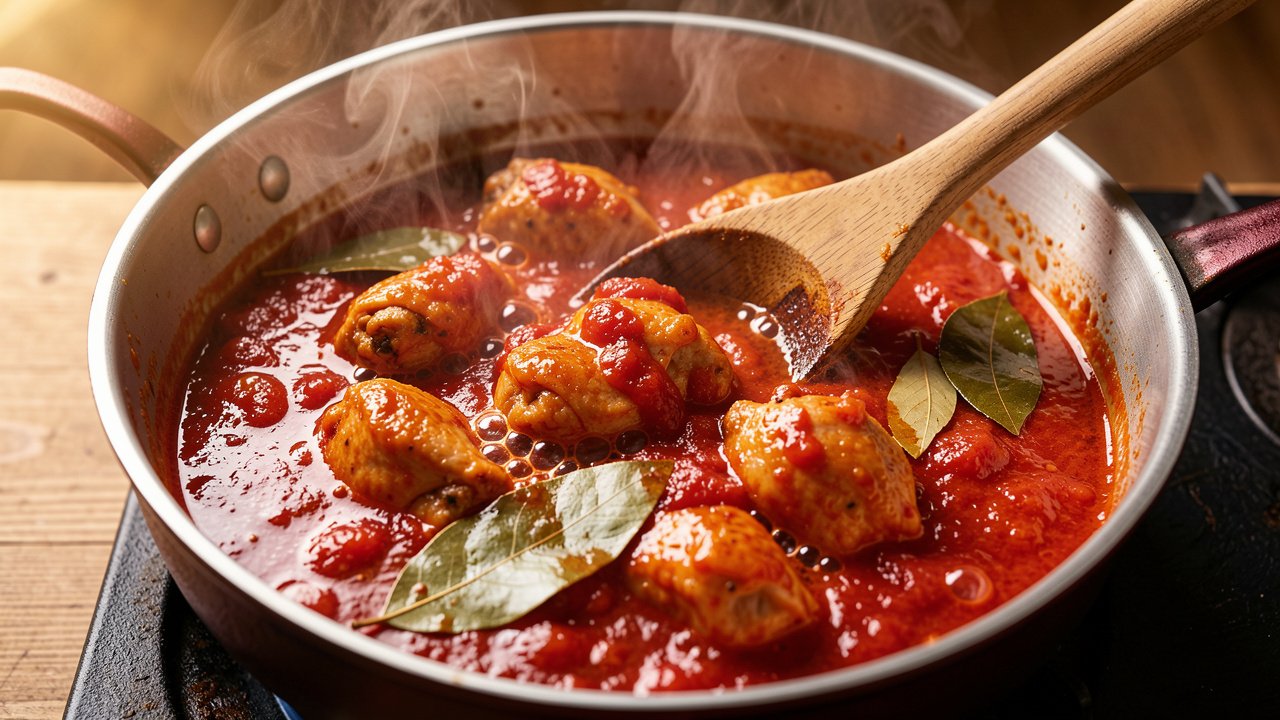
Stir in the tomato sauce and diced tomatoes and let them fry for a minute or two to lose the raw edge. Pour in the water or broth, add the fish sauce and bay leaves, and return the chicken with any resting juices. Bring to a gentle simmer, cover, and cook 20 minutes so the chicken turns tender.
Add the Potatoes and Carrots
Add the cubed potatoes and sliced carrots, pressing them into the sauce. Cover and simmer 12 to 15 minutes until they are just tender when pierced with a fork. If the sauce looks too thick, add a splash of water; if it looks thin, leave the lid off for the last few minutes to reduce.
Finish with Peppers and Serve
Stir in the red and green bell peppers and the green peas, if using, and cook 3 to 5 minutes more until the peppers are crisp-tender and still bright. Taste and adjust with salt, pepper, or a little more fish sauce. Discard the bay leaves and serve hot over steamed rice.
Chef’s Tips From Real Kitchen Testing
Do not crowd the pot when browning the chicken. Pieces packed too tightly steam instead of sear, and you lose the roasted color that gives afritada its depth.
Add the bell peppers only in the last few minutes. Going in too early turns them soft and dull; late, they stay bright and give a gentle crunch against the tender chicken.
Season with fish sauce at the end, not just the start. Tasting once the sauce has reduced tells you exactly how much savory depth it still needs.
Recipe Variations
Serving Suggestions
- Steamed white or garlic fried rice
- A wedge of lime or calamansi on the side
- A simple green salad or sauteed greens
- Extra sauce ladled generously over each plate
Nutrition Facts
| Nutrient | Amount per serving |
|---|---|
| Calories | 430 |
| Protein | 32 g |
| Carbohydrates | 28 g |
| Fat | 22 g |
| Saturated Fat | 5 g |
| Fiber | 5 g |
| Sugar | 8 g |
| Sodium | 780 mg |
Values are estimates per serving and vary with the exact ingredients and brands you use.
Make-Ahead Tips
Afritada is an excellent make-ahead dish, because the tomato sauce deepens and mellows overnight in the fridge. Cook it a day ahead, cool, and refrigerate. Reheat gently on the stove and stir in a splash of water or broth to loosen the sauce, since it thickens as it sits. If you plan to reheat, add the bell peppers fresh when you warm it so they stay bright.
Storage, Freezing & Reheating
Common Mistakes to Avoid
Troubleshooting
Sauce too thin? Uncover the pot and let it simmer a few extra minutes, or mash one or two potato chunks into the sauce to thicken it naturally.
Chicken still tough? It simply needs more time. Bone-in pieces turn tender with a longer, gentle simmer, so cover and cook a little longer rather than raising the heat.
Tastes flat? It usually wants salt or a little more fish sauce. Add gradually and taste, since the savory depth builds quickly.
A Note on Filipino Cooking
Afritada is one of a trio of beloved Filipino tomato-based stews, and knowing the family helps you cook them all. Afritada leans on chunky potatoes, carrots, and bell peppers in a straightforward tomato sauce. Menudo is its close cousin, usually cut smaller and often studded with liver and raisins for a sweeter, more textured bite. Kaldereta is the richest of the three, built on a deeper, spicier tomato sauce sometimes rounded out with a little cheese. All three share the same comforting tomato heart, which is why this afritada feels so familiar if you love a warming, spiced tomato bowl like our creamy Indian tomato soup.
Safety note: Cook the chicken until it is no longer pink at the bone and the juices run clear. For certainty, the thickest part should reach an internal temperature of 165F (74C) on an instant-read thermometer.
Frequently Asked Questions
More Tomato Recipes to Try
Last updated: September 23, 2026