Georgian Recipes
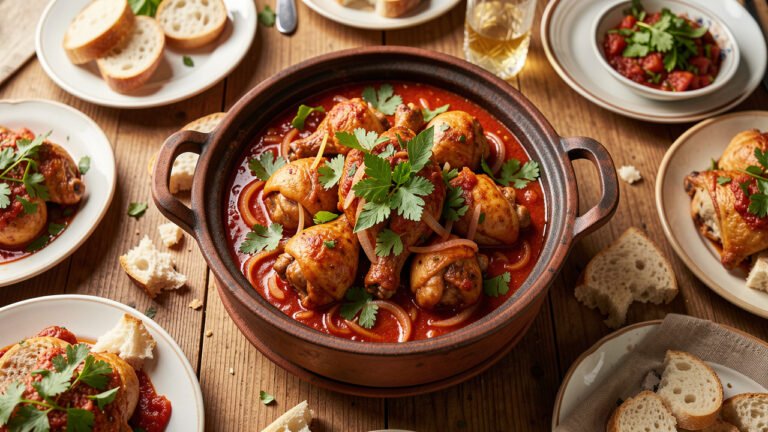
Chicken Braised in Tomatoes and Herbs
Chakhokhbili is one of those dishes that looks almost too simple to be as good as it is. You pile bone-in chicken into a pot with sliced onions and chopped tomatoes, cover it, and let the vegetables release enough liquid to braise the meat until it falls off the bone. The name comes from the Georgian word for pheasant, which is what the dish was originally made with, but today it is nearly always chicken and it is a staple of the home kitchen.
The first time I made it I could not believe you were not supposed to add any water or stock. The onions and tomatoes threw off so much juice that within twenty minutes there was a bubbling red sauce, and by the end the chicken was tender and the sauce had cooked down to something concentrated and glossy.
Why This Chakhokhbili Works
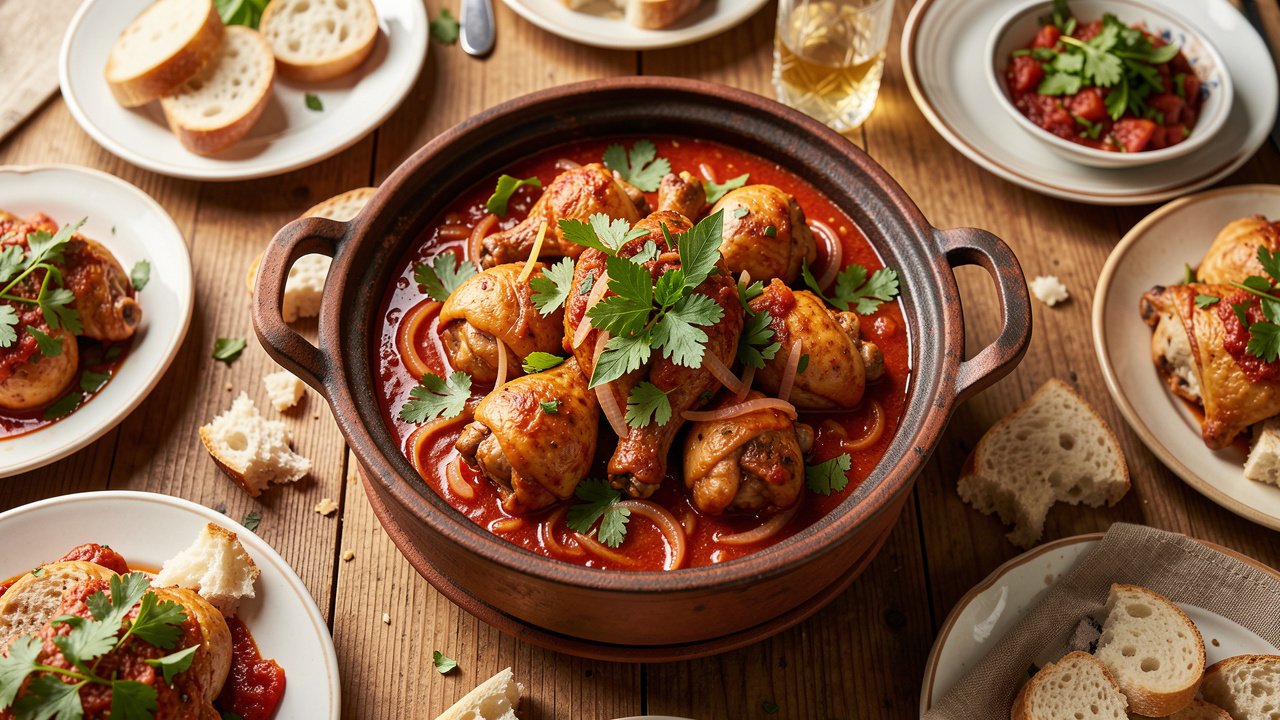
The whole logic of chakhokhbili rests on one idea: the tomatoes and onions are the liquid. When you use enough of both and cook them covered, they collapse and release far more juice than you would expect, so the chicken braises in a concentrated tomato-onion sauce rather than a watery one. Add stock and you dilute exactly the flavor you spent all that time building.
Browning the chicken first is worth the extra ten minutes. It puts a savory, roasted layer under the fresh brightness of the tomatoes, and the browned bits stuck to the bottom of the pot dissolve back into the sauce as it cooks. Bone-in pieces matter too, because the bones give the sauce a depth that boneless chicken never quite reaches.
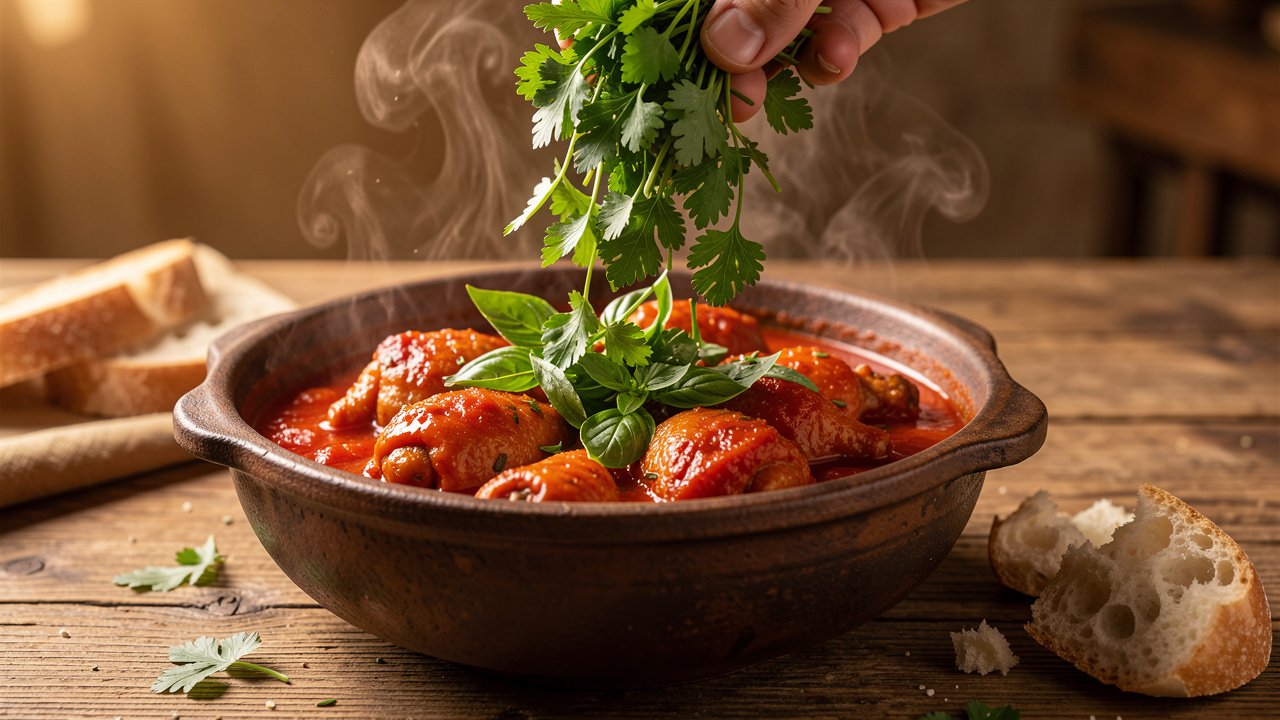
Then there are the herbs. Chakhokhbili is not lightly garnished with a pinch of parsley; it is finished with a genuinely large handful of cilantro, parsley, and basil stirred in at the very end so they stay fresh and green. That raw, grassy hit against the deep cooked tomato is the signature of the dish and the reason it tastes so alive.
The Georgian spices tie it together. Blue fenugreek, dried marigold, and ground coriander are gentle and aromatic rather than fiery, so they perfume the sauce without turning it into a curry.
Pro observation: The sauce is ready when it has reduced enough that a spoon dragged across the bottom of the pot leaves a brief trail before the sauce flows back. That is when the tomato flavor is concentrated and the oil starts to glisten on top.
Ingredients
Kitchen Measurement Converter
Quickly convert between common cooking measurements without leaving the recipe. Pick a category, enter a value, and the result updates instantly.
Ingredient Notes & Substitutions
Chicken
Use halal bone-in, skin-on pieces such as thighs, drumsticks, and breast quarters. The bones and skin give the sauce its body. A whole chicken cut into serving pieces is traditional and works beautifully.
Tomatoes
Ripe, red, in-season tomatoes are the soul of the dish, since they provide all the liquid. Out of season, a 28-ounce can of good chopped tomatoes gives a more reliable, deeper sauce than pale fresh ones.
Fresh Herbs
Cilantro is essential and goes in generously, with parsley and basil alongside. Do not hold back; the raw herbs stirred in at the end are what make it chakhokhbili and not just chicken in tomato sauce.
Georgian Spices
Blue fenugreek (utskho suneli) and dried marigold (Imeretian saffron) give the authentic aroma. If you cannot find them, a good khmeli suneli blend covers both. Ground coriander is the easiest to source.
Equipment
- Wide, heavy pot or Dutch oven
- Tight-fitting lid
- Sharp knife and board
- Tongs
- Wooden spoon
- Instant-read thermometer
Before You Start
1. Slice the onions thin. Thin onions melt into the sauce and help release liquid quickly, so the chicken has something to braise in from the start.
2. Chop the tomatoes small. Smaller pieces break down faster and give up their juice sooner, which is how the dish braises with no added water.
3. Wash and chop all the herbs. Have the cilantro, parsley, basil, and garlic ready before you start, since they go in near the end and you do not want to be chopping while the pot waits.
Step-by-Step Instructions
Brown the Chicken
Pat the halal chicken pieces dry and season with about half the salt and the black pepper. Melt the butter in a wide, heavy pot over medium-high heat. Working in batches so you do not crowd the pot, brown the chicken on both sides until deeply golden, about 4 minutes per side. Set the browned pieces aside on a plate.
Soften the Onions
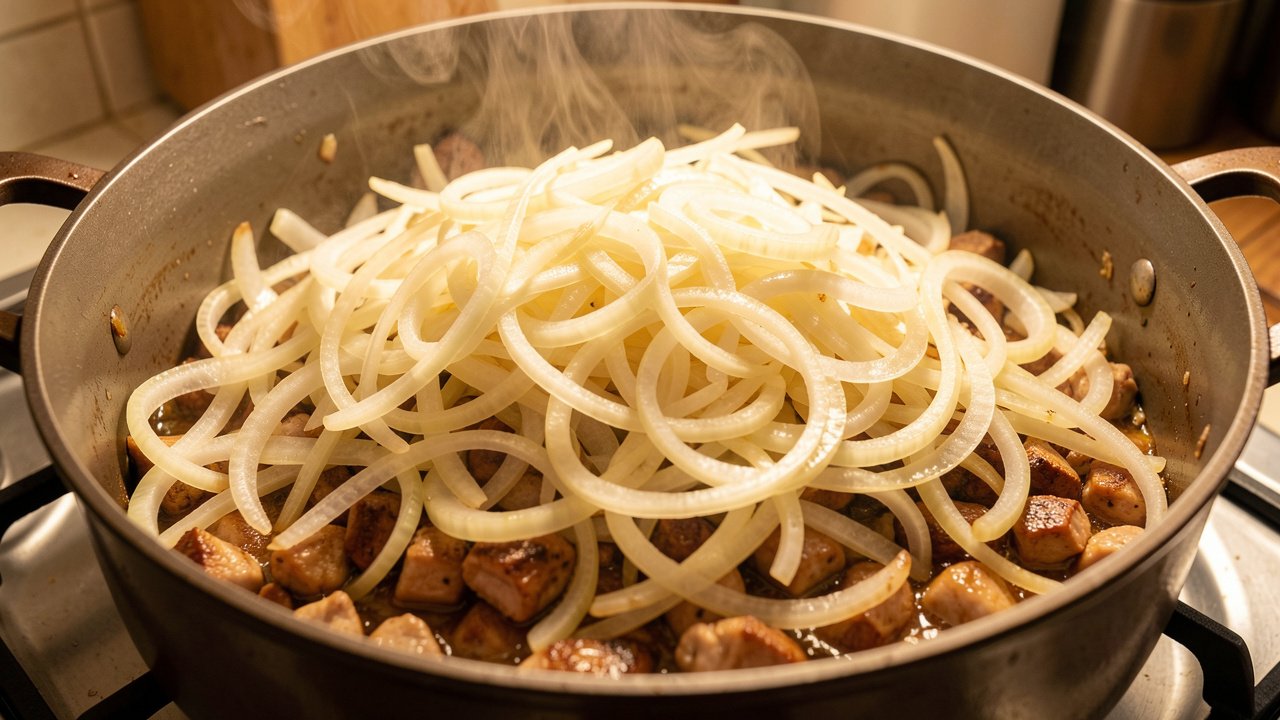
Lower the heat to medium and add the sliced onions to the same pot, scraping up the browned bits from the bottom. Cook 8 to 10 minutes, stirring often, until the onions are very soft, sweet, and just starting to turn golden. This deep onion base is what carries the whole dish, so do not rush it.
Add the Tomatoes
Add the chopped tomatoes, the bay leaves, and the remaining salt to the onions. Stir well and cook uncovered for 5 minutes, letting the tomatoes begin to break down and release their juice. Do not add any water; the tomatoes and onions provide all the liquid the braise needs.
Braise the Chicken
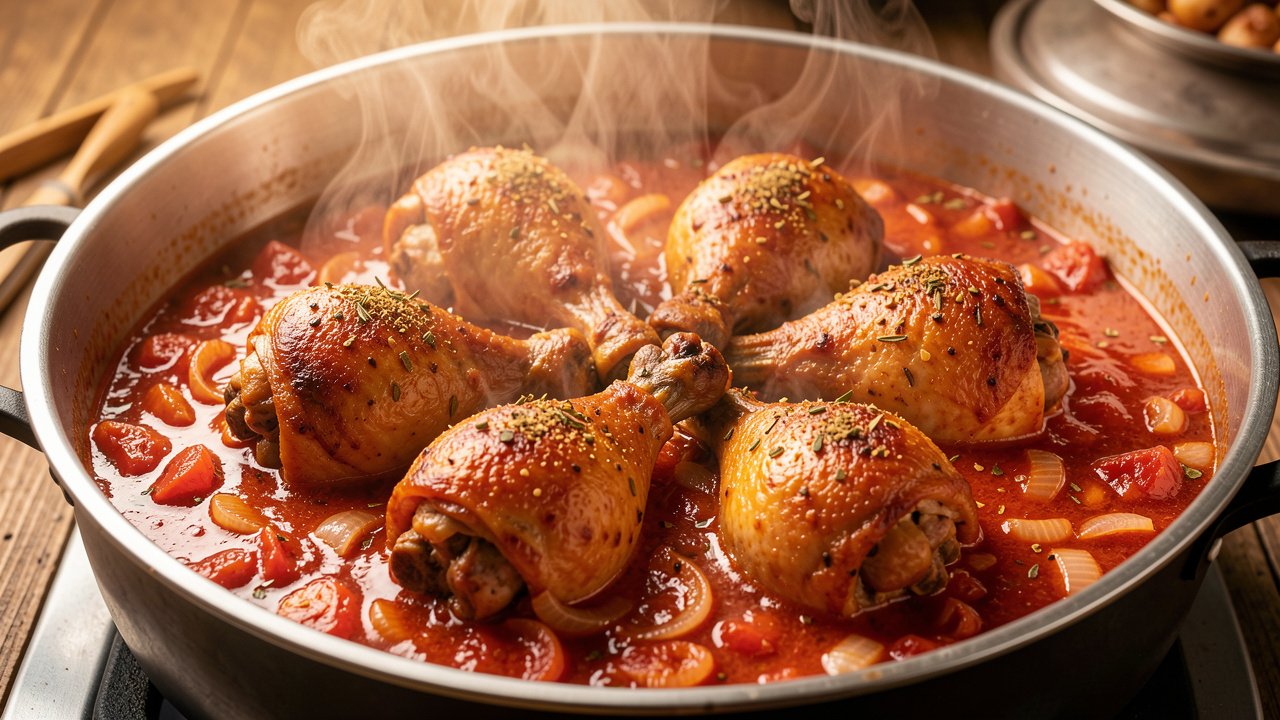
Nestle the browned chicken pieces back into the pot along with any juices from the plate. Stir in the blue fenugreek, ground coriander, dried marigold, and red pepper flakes. Cover, lower the heat to a gentle simmer, and cook 30 to 35 minutes, turning the chicken once, until it is tender and cooked through.
Reduce the Sauce
Uncover the pot and check the sauce. If it looks thin, raise the heat and simmer 5 to 10 minutes more to reduce it into a thick, glossy sauce that clings to the chicken. Check that the chicken is done: the thickest part should reach 165 F, or 74 C, on an instant-read thermometer and the juices should run clear.
Finish with Garlic and Herbs
Turn off the heat. Stir in the minced garlic and the large handful of chopped cilantro, parsley, and basil, reserving a little to scatter on top. Let it rest, covered, for 5 minutes so the garlic mellows and the herbs perfume the sauce. Taste, adjust the salt, and serve hot with plenty of bread.
Chef’s Tips From Real Kitchen Testing
Resist the urge to add water or stock. If the pot ever looks dry, it means the heat is too high; lower it and cover, and the tomatoes and onions will give up more juice.
Use more herbs than feels reasonable. Chakhokhbili should taste distinctly of fresh cilantro and basil, so a full cup of chopped herbs going in at the end is normal, not excessive.
Stir the garlic in off the heat. Adding it right at the end keeps it sharp and fragrant rather than cooking it down into the sauce, where it would lose its punch.
Recipe Variations
Serving Suggestions
- Crusty white bread or Georgian shoti bread
- Fluffy rice or boiled potatoes to soak up the sauce
- A sharp green salad with cucumbers and radish
- Extra chopped cilantro and a squeeze of lemon
Nutrition Facts
| Nutrient | Amount per serving |
|---|---|
| Calories | 430 |
| Protein | 38 g |
| Carbohydrates | 18 g |
| Fat | 24 g |
| Saturated Fat | 8 g |
| Fiber | 4 g |
| Sugar | 10 g |
| Sodium | 760 mg |
Values are estimates per serving and vary with the exact ingredients and brands you use.
Make-Ahead Tips
Chakhokhbili is even better the next day, because the sauce settles and the flavors deepen overnight in the fridge. Cook it through step five a day ahead, cool, and refrigerate. Reheat gently on the stove until the chicken is hot through, then stir in the fresh garlic and herbs just before serving so they stay bright and green.
Storage, Freezing & Reheating
Common Mistakes to Avoid
Troubleshooting
Sauce too thin? Uncover the pot and simmer harder for a few minutes to reduce it. Avoid the temptation to add flour; reducing keeps the flavor pure.
Sauce too sharp or acidic? Cook the onions longer next time for more sweetness, or stir in a pinch of sugar to balance very tart tomatoes.
Chicken not tender? It simply needs more time. Cover and keep it at a gentle simmer; bone-in pieces become meltingly tender with patience.
A Note on Georgian Cooking
Georgian food is built around the supra, the shared table where dishes arrive all at once and eating is unhurried and social. Fresh herbs are treated almost as a vegetable rather than a garnish, appearing by the handful in dish after dish. Chakhokhbili sits perfectly in that tradition, herb-forward and generous, meant to be scooped up with torn bread among friends.
The spices tell their own story. Blue fenugreek and dried marigold, which Georgians call Imeretian saffron for its golden color, give the region’s cooking a warm, faintly nutty aroma you will not find anywhere else, often blended together as khmeli suneli. If you like herb-forward tomato dishes, our creamy Indian tomato soup shares the same comforting, herb-forward character, and you can browse more ideas in our full collection of tomato recipes.
Frequently Asked Questions
More Tomato Recipes to Try
Last updated: September 23, 2026