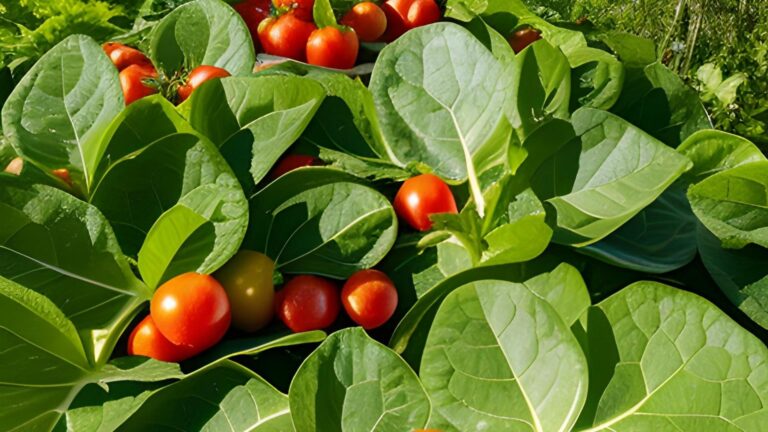
As a gardener and nutrition enthusiast, I’ve always been fascinated by the health benefits of tomatoes, especially their lycopene content. Lycopene is that powerful antioxidant that gives tomatoes their vibrant red color. But how do we actually measure it? Let’s dive into the world of lycopene analysis!
Understanding Lycopene
Before we get our hands dirty (or should I say red?), let’s talk about what lycopene is. It’s a bright red carotenoid found in tomatoes and other red fruits. It’s known for its antioxidant properties and potential health benefits.
Why Measure Lycopene?
- Quality control in food production
- Nutritional research
- Plant breeding programs
- Personal curiosity (if you’re a garden nerd like me!)
Methods for Determining Lycopene Content
There are several ways to measure lycopene in tomatoes. I’ll walk you through the most common methods, from the simplest to the more complex.
1. Visual Assessment
This is the easiest but least accurate method.
Steps:
- Cut the tomato in half
- Compare the color to a standardized color chart
- Estimate lycopene content based on color intensity
Pro Tip: While quick and easy, this method is subjective and can be influenced by other factors like ripeness and variety.
2. Spectrophotometric Method
This is the most widely used method in labs and research settings.
Equipment needed:
- Blender or food processor
- Centrifuge
- Spectrophotometer
- Organic solvents (like hexane, ethanol, acetone)
Steps:
- Blend the tomato sample
- Extract lycopene using organic solvents
- Centrifuge to separate layers
- Measure absorbance of the extract at specific wavelengths (usually around 470-500 nm)
- Calculate lycopene content using standard equations
Pro Tip: Wear gloves and work in a well-ventilated area when handling organic solvents!
3. High-Performance Liquid Chromatography (HPLC)
This is the most accurate method, but it requires specialized equipment.
Equipment needed:
- HPLC system
- Specific HPLC column for carotenoid separation
- Sample preparation equipment (similar to spectrophotometric method)
Steps:
- Prepare sample as in spectrophotometric method
- Inject sample into HPLC system
- Separate compounds based on their interaction with the column
- Detect and quantify lycopene using a detector (usually UV-Vis)
- Compare results to known standards
| Method | Accuracy | Complexity | Cost |
|---|---|---|---|
| Visual | Low | Low | Low |
| Spectrophotometric | Medium | Medium | Medium |
| HPLC | High | High | High |
Factors Affecting Lycopene Content
Lycopene content can vary widely among tomatoes. Here are some factors that influence it:
- Variety: Some tomato varieties naturally have higher lycopene content.
- Ripeness: Lycopene increases as tomatoes ripen.
- Growing conditions: Factors like sunlight, temperature, and soil composition can affect lycopene levels.
- Processing: Cooking and processing can actually increase the bioavailability of lycopene.
“The redder the tomato, the higher the lycopene” is generally true, but not always!
DIY Lycopene Assessment for Home Gardeners
While we can’t all have a lab in our backyard, there are some ways to estimate lycopene content at home:
- Color comparison: Use a color chart to compare your tomatoes.
- Density test: Riper, more lycopene-rich tomatoes tend to be denser.
- Variety research: Look up average lycopene content for your tomato varieties.
Pro Tip: Keep a garden journal to track color, density, and variety. Over time, you’ll get a feel for which of your tomatoes are lycopene powerhouses!
Conclusion: The Lycopene Legacy
Determining lycopene content in tomatoes can be as simple as a visual check or as complex as running HPLC analysis. While the most accurate methods require lab equipment, even home gardeners can estimate lycopene levels with some simple observations.
Remember, regardless of the exact amount, all tomatoes contain lycopene. So whether you’re growing cherry tomatoes on your balcony or rows of beefsteaks in your backyard, you’re cultivating a healthy, lycopene-rich crop!
Have you tried measuring lycopene in your homegrown tomatoes? Or do you have a favorite high-lycopene variety? Share your experiences in the comments below. Let’s talk tomatoes!