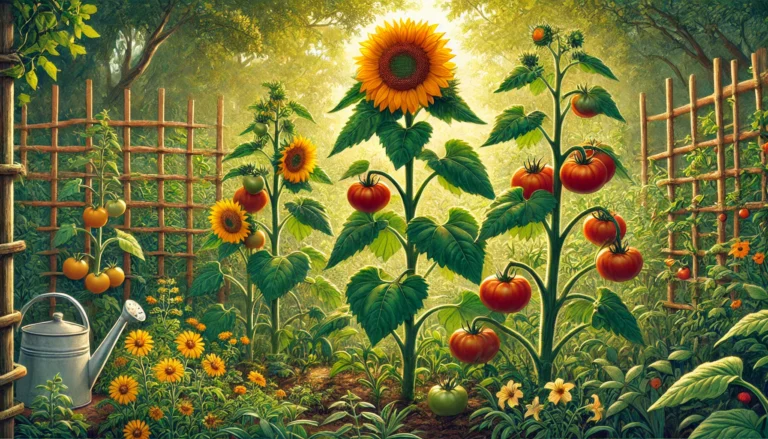
Every July, gardeners across the South watch healthy tomato plants bloom, drop their flowers, and produce nothing for six weeks. The plants are fine. The heat is the problem. Arkansas Traveler exists for exactly this moment, and it has been solving it for more than a hundred years. Here is why it works, how to grow it through a brutal summer, and what to expect from the fruit.
Why Heat Makes Most Tomatoes Quit
Tomato pollen dies or goes sterile when daytime temperatures hold above roughly 90 degrees and nights stay above the mid 70s. Flowers open, pollination fails, and the blossoms drop. No spray fixes it. The honest solutions are timing, shade, or a variety bred to set fruit anyway. Arkansas Traveler is the third option.
Arkansas Traveler Tomato Quick Facts
| Type | Heirloom, open-pollinated |
|---|---|
| Growth Habit | Indeterminate |
| Days to Maturity | 80 to 90 days |
| Fruit Size | 6 to 8 oz |
| Fruit Color | Rose-pink |
| Shape | Smooth round globe |
| Flavor | Balanced, classic, mild-sweet |
| Best Uses | Slicing, salads, all-purpose |
| Superpower | Sets fruit in heat, humidity, drought |
| Cracking | Unusually resistant for an heirloom |
| Plant Height | 6 to 8 feet |
| Spacing | 24 to 36 inches apart |
| Support | Tall cage or stake |
| Sun | Full sun, light afternoon shade is fine in extreme heat |
| Origin | Ozark and Southern gardens, since around 1900 |
A Century in Southern Gardens
Arkansas Traveler earned its name in the Ozark Mountains, where gardeners have grown it since around 1900. It spread across the South because it produced when nothing else did, through heat waves, humid Augusts, and dry spells. The University of Arkansas later released improved strains, including the widely sold Traveler 76, but the original heirloom is still passed around in seed swaps the way it always was.
Flavor: Balanced, Not Bland
Heat-tolerant tomatoes have a reputation for tasting like cardboard. Arkansas Traveler is the exception that built its name on flavor. The rose-pink fruit runs 6 to 8 ounces with a smooth texture and an old-fashioned balance of sweetness and acidity. It will not out-punch a Cherokee Purple in a tasting, but in week three of a heat wave, it is the best tomato actually growing.
Planting for a Hot Summer
Set transplants out early, as soon as frost danger passes and the soil warms, so the plant is established before serious heat arrives. Work compost into the soil, space plants generously, and install the cage at planting time. In the hottest regions, a spot with morning sun and light afternoon shade keeps fruit from scalding without costing much yield.
Care Through a Heat Wave
When the forecast shows a week above 95, this checklist keeps Arkansas Traveler producing.
- Mulch deep: 3 inches of straw or shredded leaves keeps soil moisture and root temperature steady.
- Water early: deep morning water beats evening splashes, and steady moisture also prevents blossom end rot.
- Shade cloth: 30 percent cloth over the worst afternoons protects flowers and fruit.
- Hold the pruning: every leaf shades fruit. Prune only diseased or crowded stems in extreme heat to avoid sunscald.
- Feed lightly: stressed plants cannot use heavy fertilizer. Wait for the heat to break before feeding again.
Problems to Watch in Hot Climates
- Sunscald: pale, papery patches on exposed fruit. Keep foliage cover and use shade cloth.
- Spider mites: they explode in hot, dry weather. Blast undersides of leaves with water at first stippling.
- Blossom end rot: heat plus uneven water brings it on fast. Mulch and a steady schedule prevent it.
- Disease: tolerance is moderate, so rotate beds yearly and water at the base, not the leaves.
Arkansas Traveler vs Other Pink Tomatoes
Against the big pink heirlooms, the trade is simple. German Johnson and Brandywine grow larger, richer fruit but stall in serious heat. Arkansas Traveler grows a smaller, smoother tomato that never stops. Modern heat-set hybrids match its stamina, but they cannot match its century of saved seeds or its heirloom flavor. Southern gardeners often plant both: a flavor heirloom for June and Arkansas Traveler for July and August.
Harvesting When It Is Brutal Outside
In extreme heat, ripe fruit softens fast on the vine. Pick at the breaker stage, when the first blush of pink covers the bottom third, and let the tomatoes finish ripening indoors at room temperature. Flavor develops fully off the vine, the fruit dodges sunscald and pests, and the plant redirects energy into the next cluster. Harvest every day or two during peak season.
Containers in Hot Climates
Arkansas Traveler grows well in a 15 gallon or larger pot with one heat-specific rule: choose a light-colored container. Dark pots cook roots in southern sun. Big soil volume, thick mulch on the surface, and daily water checks carry a potted plant through summer. Bee-friendly flowers nearby keep pollination strong even when conditions turn harsh.
Seeds and Strains
Seed catalogs sell both the original heirloom Arkansas Traveler and improved university strains like Traveler 76. The heirloom is open-pollinated, so ferment and save seeds from your best late-summer fruit, the tomatoes that proved themselves in the worst weather. That is exactly how a century of Southern gardeners built its heat tolerance in the first place.
Frequently Asked Questions
How Long Does Arkansas Traveler Take to Grow?
About 80 to 90 days from transplant.
Is Arkansas Traveler Determinate or Indeterminate?
Indeterminate. It keeps growing and setting fruit until frost.
Does Arkansas Traveler Really Set Fruit in 90 Degree Heat?
Yes. It keeps setting fruit in heat and humidity that make most varieties drop their blossoms.
What Does Arkansas Traveler Taste Like?
Balanced and classic, equal parts sweet and tangy, in a rose-pink fruit.
Is Arkansas Traveler Crack Resistant?
Yes, unusually so for an heirloom, which matters where summer storms follow dry spells.
Is Arkansas Traveler an Heirloom?
Yes, grown for over a century, and you can save its seeds.
Can You Grow Arkansas Traveler in Containers?
Yes, in a 15 gallon or larger light-colored pot that stays cooler in the sun.