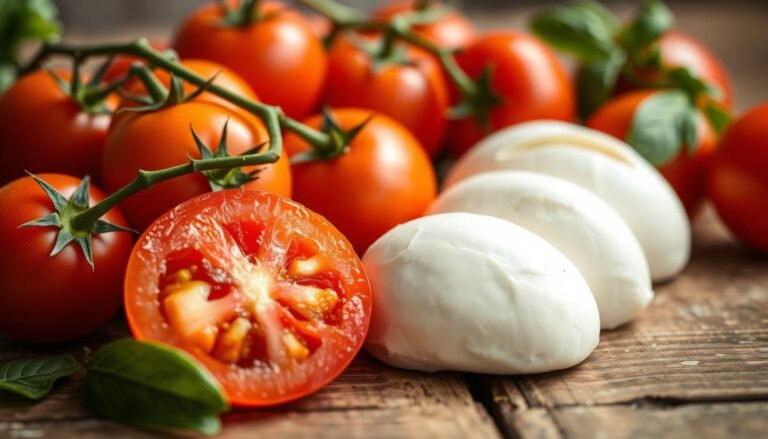
Marglobe is a piece of tomato history. As one of the first disease-resistant tomatoes, it shaped modern breeding and became a canning standard. It is also a parent of the famous Rutgers. This guide covers its flavor, growing needs, common problems, and key facts.
Marglobe Tomato Quick Facts
| Type | Heirloom, open-pollinated |
|---|---|
| Growth Habit | Determinate |
| Days to Maturity | 75 days |
| Fruit Size | 6 to 8 oz |
| Fruit Color | Red |
| Shape | Round globe |
| Flavor | Mild, classic, balanced |
| Best Uses | Canning, sauce, slicing |
| Plant Height | 3 to 5 feet |
| Spacing | 24 to 36 inches |
| Support | Cage |
| Sun | Full sun, 6 to 8 hours |
| Container Friendly | Yes |
| Disease Resistance | Verticillium and Fusarium |
| Origin | United States, 1925 |
What Is a Marglobe Tomato?
Marglobe is an heirloom tomato released by the USDA in 1925. It was one of the first varieties bred for disease resistance, which made it a breakthrough at the time. It became the leading canning tomato for years and is a parent of Rutgers. The plant is determinate, so it ripens most of its crop in a short window. Because it is open-pollinated, you can save seeds and grow it again.
Marglobe Flavor and Best Uses
Marglobe has a mild, balanced, classic tomato taste. It is not as sweet as some modern varieties, but its even, sturdy fruit is exactly what canners want.
It is a top choice for canning and sauce because the globes are uniform and crack-resistant. You can also slice it fresh for sandwiches and salads.
How to Grow Marglobe Tomatoes
Marglobe is easy to grow and does not need tall staking. Follow these basics.
- Sun: give plants 6 to 8 hours of direct sun.
- Spacing: set plants 24 to 36 inches apart.
- Support: use a cage, since the plant stays compact.
- Water: water deeply and evenly to prevent blossom end rot.
- Feeding: avoid too much nitrogen, which grows leaves over fruit.
Common Problems and Disease Resistance
Marglobe resists Verticillium and Fusarium wilt, which was a big advance for its time. Even so, watch for these issues.
- Blossom end rot: a dark spot on the bottom from uneven water and low calcium.
- Cracking: less common than many tomatoes, but heavy rain can still split fruit.
- Wilt diseases: rotate crops to keep the soil healthy.
Marglobe vs Rutgers
These two are closely linked, since Marglobe is a parent of Rutgers. Marglobe is the older variety, prized for uniform canning fruit. Rutgers was bred from it in 1934 for better flavor and became the classic Jersey tomato. Gardeners who value tomato history enjoy growing both.
When to Harvest Marglobe Tomatoes
Pick Marglobe when the fruit is fully red and firm. Because the plant is determinate, much of the crop ripens within a week or two, which is ideal for a single canning session. Harvest before heavy rain to avoid cracks, and use any bruised fruit first.
Growing Marglobe in Containers
Marglobe suits container growing thanks to its compact, determinate habit. Use a pot of at least 10 gallons with a cage. Keep the soil evenly moist, and expect most of the fruit to ripen around the same time, perfect for a small batch of sauce.
Companion Plants for Marglobe
Marglobe grows well with basil, which may improve flavor and repel pests. Marigolds deter nematodes, and garlic helps keep aphids away. Keep tomatoes away from potatoes and fennel, which can share disease or slow growth. Good companions support a clean canning crop.
Marglobe Nutrition
Marglobe is low in calories and rich in nutrients. One tomato provides vitamin C, vitamin K, potassium, and lycopene. Because it cooks down into sauce so well, it delivers a concentrated dose of that antioxidant, which is linked to heart health.
Where to Buy Marglobe Seeds and Plants
Marglobe seeds are sold at most heirloom seed companies in spring, and some garden centers carry plants. Because it is open-pollinated, one packet can supply your garden for years if you save seeds from your best fruit.
Care Notes
Mulch around the base to keep moisture even. Vines keep producing until frost ends the season. Prune lower leaves and crowded stems to improve airflow.
Related Tomato Varieties
Frequently Asked Questions
How Long Does Marglobe Take to Grow?
About 75 days from transplant.
Is Marglobe Determinate or Indeterminate?
It is determinate, so it ripens its crop in a short window.
What Is Marglobe Tomato Best For?
Canning and sauce, thanks to its uniform, crack-resistant fruit.
Is Marglobe an Heirloom?
Yes. It was released in 1925 and is open-pollinated.
What Is the Difference Between Marglobe and Rutgers?
Marglobe is the older parent, and Rutgers was bred from it for improved flavor.
Can You Grow Marglobe in Containers?
Yes. Its compact, determinate habit suits a large pot well.