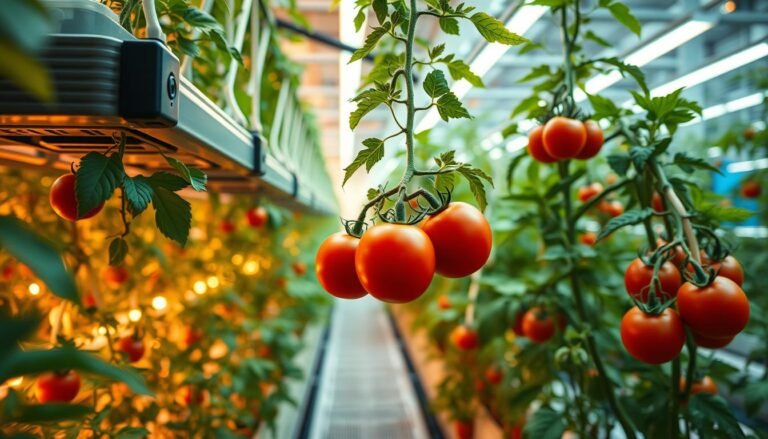
Did you know that a fully automated greenhouse in Bleiswijk is producing crops with 90% less water than traditional methods? This remarkable achievement is thanks to the integration of advanced technology and innovative farming practices. Teams like The Automatoes are leading the charge in the Autonomous Greenhouse Challenge, organised by Wageningen University & Research, showcasing how modern systems can revolutionise agriculture.
These high-tech environments rely on sensors, data analytics, and remote management to create optimal growing conditions. The result? A 30% increase in crop yield and a significant reduction in labour-intensive processes. This approach not only boosts efficiency but also supports sustainability in food production.
In this article, you’ll discover how these cutting-edge systems are transforming the way we grow crops. From customised algorithms to step-by-step methodologies, we’ll explore the innovations driving this agricultural revolution. Ready to learn more? Let’s dive in.
Key Takeaways
- Automated greenhouses can reduce water usage by up to 90%.
- Advanced sensors and data analytics enhance crop yield by 30%.
- The Autonomous Greenhouse Challenge showcases cutting-edge farming innovations.
- Remote management systems minimise labour-intensive processes.
- Customised algorithms ensure optimal growing conditions for plants.
Introduction to Modern AI Hydroponic Techniques
Modern greenhouses are revolutionising agriculture with advanced techniques. These systems combine sensors, data, and remote management to create optimal growing conditions. This approach ensures that every aspect of the environment is carefully monitored and adjusted.
Understanding the Role of Sensors and Data in Greenhouses
Sensors play a crucial role in these high-tech environments. They measure factors like temperature, humidity, light, and CO2 levels. This real-time data is essential for maintaining the perfect balance for plant growth.
Continuous monitoring allows for immediate adjustments. For example, if humidity levels drop, the system can automatically increase moisture. This ensures that crops thrive in the best possible conditions.
Remote Management and the Technology Behind It
Remote management tools are transforming how greenhouses operate. Teams can control conditions from anywhere, using computer-driven algorithms. These algorithms analyse data and adjust environmental setpoints as needed.
Take The Automatoes, for instance. Their research-driven approach uses autonomous systems to optimise conditions. This integration of technology and research streamlines operations and boosts crop production.
This modern approach not only improves efficiency but also supports sustainability. By reducing waste and maximising resources, these techniques pave the way for a greener future in agriculture.
How to Succeed with AI hydroponic tomatoes
The future of farming lies in the seamless blend of technology and nature. By integrating advanced systems into your greenhouse, you can achieve healthier plants and higher yields. This approach not only boosts efficiency but also ensures sustainability in crop production.
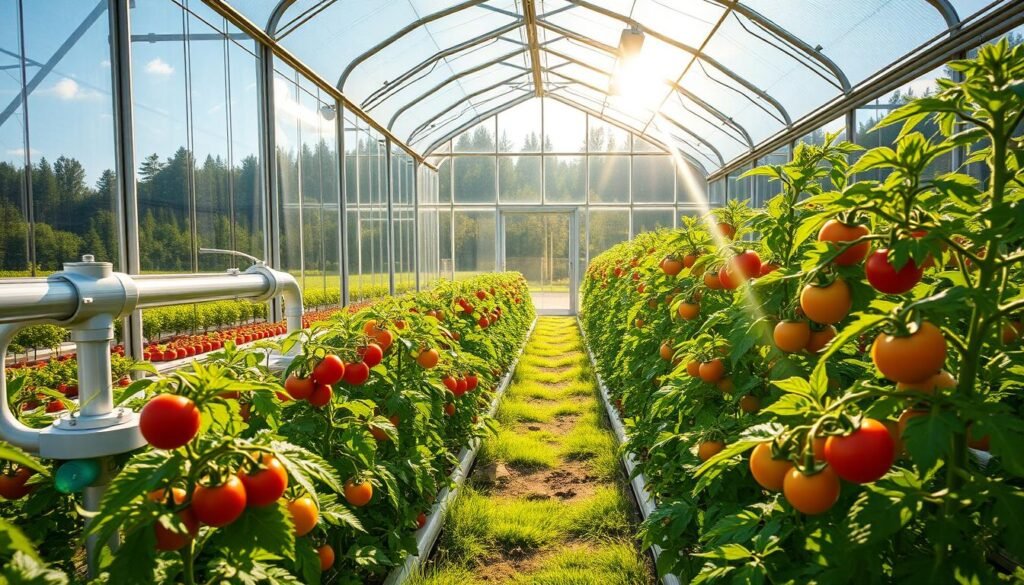
Step-by-Step Integration of Smart Systems
Start by installing sensors to monitor key factors like temperature, humidity, and light levels. These devices collect real-time data, which is essential for maintaining optimal conditions. Next, set up a centralised control system to manage these variables remotely.
Gradually introduce machine learning algorithms to analyse the collected data. These algorithms can identify patterns and suggest adjustments to improve crop growth. For example, if a specific plant shows signs of stress, the system can automatically increase water supply or adjust lighting.
Utilising Algorithms for Crop Optimisation
Algorithms play a crucial role in modern farming. They combine traditional analytic methods with cutting-edge data-based optimisation. This hybrid approach ensures that every decision is backed by research and tailored to your crop’s needs.
Teams like those in the Autonomous Greenhouse Challenge have demonstrated how these systems can pinpoint challenges and implement precise interventions. By balancing algorithm updates with environmental changes, you can maximise your greenhouse’s potential.
“The integration of machine learning and model-based systems is vital for identifying and addressing issues within the greenhouse environment.”
Understanding the influence of environmental factors on plant growth is key. Responsible deployment of technology can significantly boost both yield and quality. For more insights, explore how modern farming parallels the development of successful.
Enhancing Your Hydroponic System with Cutting-Edge Technology
Imagine a farming system where every detail is monitored and adjusted in real time to ensure optimal growth. This is the promise of modern technology in agriculture. By integrating advanced tools, you can significantly improve the efficiency and sustainability of your operations.
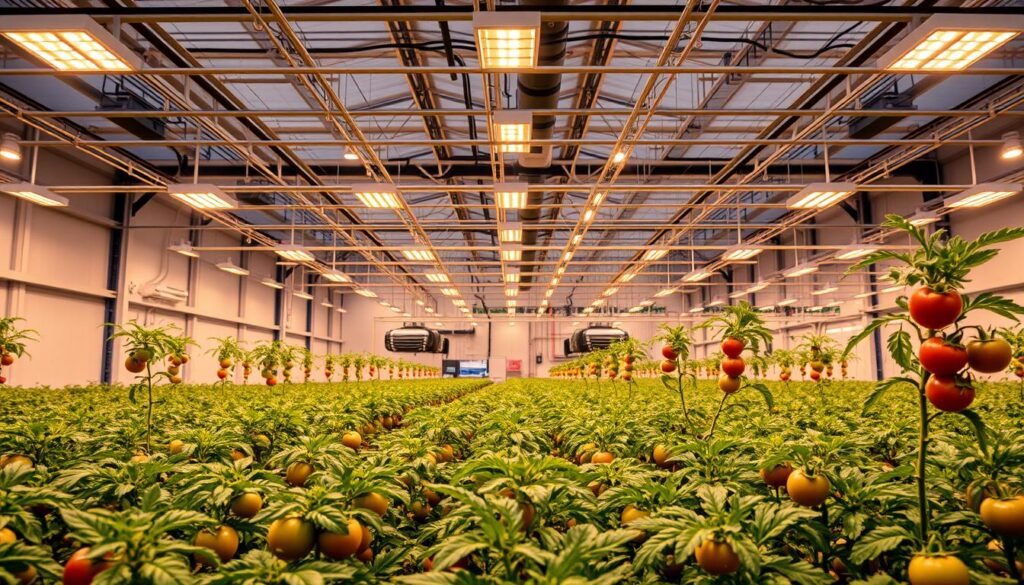
Incorporating Digital Sensors and the TomatoGuard Project
Digital sensors are at the heart of this transformation. They monitor key factors like temperature, humidity, and light levels, providing real-time data. This allows for immediate adjustments, ensuring your crop thrives in the best possible conditions.
The TomatoGuard project is a prime example of this innovation. It uses a graphene sensor array to detect early signs of stress in plants. This technology can identify issues like Red Spider Mites before they become a problem, reducing the need for pesticides.
Balancing Environmental Factors for a Bountiful Harvest
Maintaining the right balance of environmental factors is crucial. Humidity, temperature, and lighting must be carefully managed to ensure optimal growth. Advanced systems can automatically adjust these variables, creating the perfect environment for your plants.
For instance, if humidity levels drop, the system can increase moisture levels instantly. This precision ensures that your crop remains healthy and productive throughout its growth cycle.
Analysing Remote Data and Refining Your Approach
Remote monitoring allows you to manage your system from anywhere. By analysing data in real time, you can make informed decisions to improve your operations. This continuous refinement leads to higher yields and better quality produce.
Research from institutions like Rothamsted Research and Stockbridge Technology Centre highlights the benefits of this approach. Their trials show that integrating advanced technology can reduce resource consumption while increasing efficiency.
| Technology | Benefit |
|---|---|
| Digital Sensors | Real-time monitoring and adjustments |
| TomatoGuard Project | Early detection of pests and stress |
| Remote Data Analysis | Continuous improvement of operations |
By adopting these innovations, you can create a more sustainable and efficient farming system. For further insights, explore how advanced technologies are transforming agriculture.
Conclusion
Innovative farming techniques are reshaping how we grow crops. By integrating advanced technology, such as sensors and remote management, you can achieve higher yields and better quality produce. These systems allow for precise control over environmental factors, ensuring your plants thrive.
Research from projects like the Autonomous Greenhouse Challenge and the TomatoGuard initiative highlights the potential of these methods. They demonstrate how real-time data and machine learning can optimise growth conditions. This approach not only boosts efficiency but also supports sustainable food production.
Adopting these innovations can transform your farming practices. By balancing automation with environmental control, you can secure a bountiful harvest. Explore more about these advancements here.
The future of agriculture lies in leveraging technology to meet growing demands. By embracing these solutions, you contribute to a more sustainable and efficient farming system.
FAQ
What role do sensors play in modern hydroponic systems?
Sensors monitor crucial factors like temperature, humidity, and nutrient levels. They provide real-time data to optimise plant growth and ensure a healthy crop.
How does remote management work in hydroponic farming?
Remote management uses technology to control systems from a distance. You can adjust lighting, watering, and nutrient delivery via apps or software, ensuring precision and efficiency.
What steps are involved in integrating AI into a tomato farming system?
Start by installing sensors and connecting them to a central system. Use algorithms to analyse data and make adjustments. Machine learning can then refine processes for better results.
How can algorithms improve crop yields in hydroponic farming?
Algorithms analyse data to predict plant needs. They optimise conditions like light, water, and nutrients, leading to healthier plants and higher yields.
What is the TomatoGuard project, and how does it help?
TomatoGuard uses digital sensors to detect early signs of disease or stress in plants. This allows for timely intervention, reducing crop loss and improving harvest quality.
Why is balancing environmental factors important in hydroponics?
Proper balance ensures plants receive the right conditions for growth. Factors like light, temperature, and humidity must be controlled to maximise productivity and quality.
How can remote data analysis refine my farming approach?
Analysing remote data helps identify patterns and inefficiencies. You can make informed adjustments to improve system performance and crop outcomes.
Source Links
- OpenSTEM is making hands-on research more accessible to students
- Is Common Dandelion (Taraxacum officinale agg.) Foraged for Food in Vineyards Pesticide Residues Free?
- US (NY): Using genetics to manipulate plant flowering times
- AgriEngineering
- AI
- Biofeedback is the future of autonomous greenhouse cultivation
- Transforming Urban Farming with AI for Home and Rooftop Garden
- Global Tomato Market: Anticipated -38.5% CAGR Indicates Downward Consumption Trend Over Next Decade – News and Statistics – IndexBox
- OpenSTEM is making hands-on research more accessible to students
- AgriTech Indoor & Vertical Farming Stories, Videos, Articles, Interviews, Reviews & News | AgriTechTomorrow
- Frontiers | Analysis of research status and trends on nano-agricultural application: a bibliometric study
- Frontiers | Elevated root-zone P and nutrient concentration do not increase yield or cannabinoids in medical cannabis