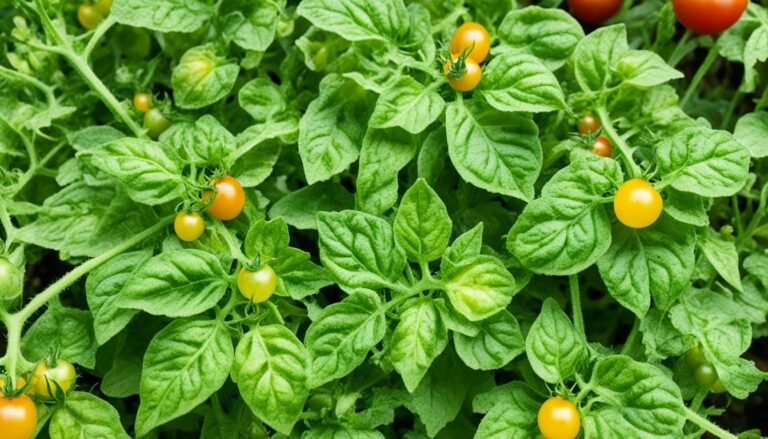
As a tomato lover, I’ve often thought: How can I keep my plants safe from bacterial spot? This disease can destroy tomato crops, leaving growers with less to sell. But don’t worry, we can fight it. Let’s look at the signs, causes, and ways to beat this common tomato problem.
Key Takeaways
- Bacterial spot is a serious disease caused by four Xanthomonas bacteria, mainly in the southeastern U.S. It affects tomato plants.
- This disease hits leaves, stems, and fruit, causing big losses in yield.
- Spotting it early and using the right strategies, like resistant plants and integrated control, is key to protecting tomatoes.
- Copper fungicides and organic options like Serenade® plus copper can lessen the disease’s impact. But use them carefully.
- Good sanitation, crop rotation, and smart watering are vital for stopping this disease long-term.
Introduction
Bacterial spot is a disease that can harm tomato plants a lot. It is caused by four related bacteria. These bacteria love warm, wet places and can come from dirty seeds or plants.
It’s important to spot the disease early. If you don’t, it can spread fast and ruin your crop.
What is Bacterial Spot?
Bacterial spot in tomatoes comes from four Xanthomonas bacteria. These include Xanthomonas vesicatoria, Xanthomonas euvesicatoria, Xanthomonas gardneri, and Xanthomonas perforans. These bacteria can hit all parts of the tomato plant above ground.
This can make the fruit not good enough to sell.
Importance of Early Detection
Spotting bacterial spot early is key. The disease spreads fast in warm, humid weather. It can live in the soil for up to two years.
So, it’s vital to use good management to stop it.
“Bacterial spot can be a devastating disease for tomatoes and peppers, especially in warm and humid weather conditions.”
Infections can start with infected seeds or plants. Then, it can move between plants with tools, hands, or rain. Finding and acting on it quickly helps reduce damage to tomato crops.
Symptoms of Bacterial Spot
Bacterial spot is a common disease that affects tomato plants. It hits leaves, stems, and fruit. Knowing the symptoms helps in spotting and managing the disease.
Identifying Symptoms on Leaves
Bacterial spot on tomato leaves shows as small, brown spots with yellow edges. These spots can fall out, leaving holes. They are often seen on the underside of leaves.
Symptoms on Stems and Fruit
Bacterial spot also affects stems and fruit. On stems, look for small, brown spots. On the fruit, you’ll see spots that are about 1/4 inch big. They look scabby and are a bit raised.
Distinguishing from Other Diseases
It’s key to tell bacterial spot from other tomato diseases. For example, bacterial speck has tiny, dark spots. Early blight causes bigger, target-like spots. Paying close attention helps you choose the right treatment.
| Disease | Leaf Symptoms | Fruit Symptoms |
|---|---|---|
| Bacterial Spot | Small ( | Small (1/4 inch), slightly raised, brown, scabby spots |
| Bacterial Speck | Small, dark-brown to black lesions with yellow halos | Small ( |
| Early Blight | Larger, target-like spots | No fruit spots |
| Septoria Leaf Spot | Circular, brown to greyish spots with tiny black dots; no fruit spots | No fruit spots |
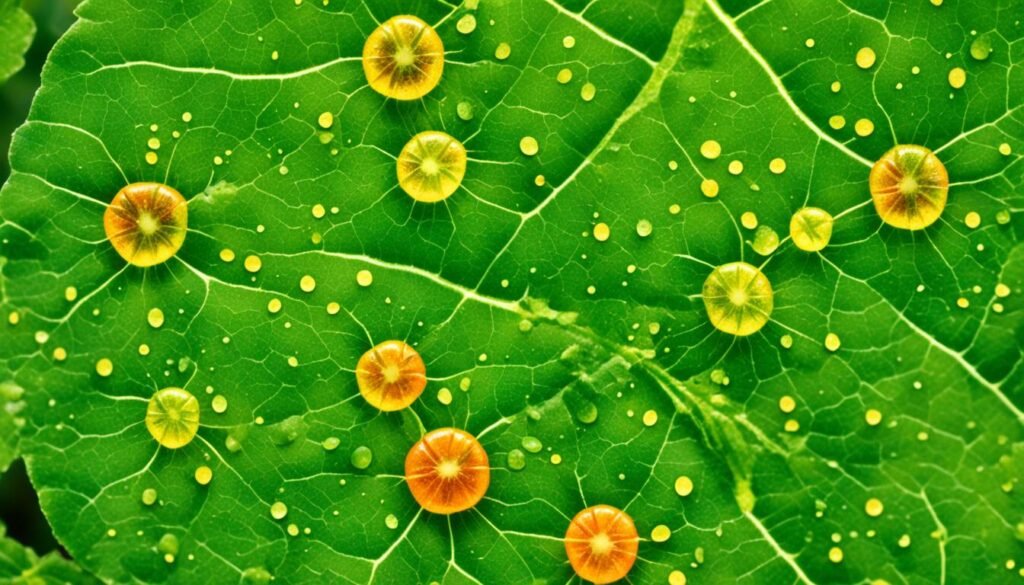
By looking closely at the symptoms on leaves, stems, and fruit, you can spot bacterial spot. This is key to treating and controlling the disease. Knowing how to identify it helps keep your tomato plants healthy and productive.
Causes and Transmission
Bacterial spot is a big problem for tomatoes and peppers. It’s caused by a group of bacteria that love warm weather, high humidity, and lots of rain or water from above. Knowing how it spreads and where it comes from is key to fighting it.
How Bacterial Spot Spreads
This disease can come into a tomato field through infected seeds or plants that look healthy at first. Then, it moves from plant to plant in different ways, like:
- Tools and equipment used by growers
- Contact with infected plants or plant debris
- Splashing rain or irrigation water
- Volunteer tomato or pepper plants between crop rotations
Environmental Factors
The bacteria that cause bacterial spot like warm, moist places. Temperatures between 75°F and 86°F and lots of moisture make it spread fast.
Common Sources of Infection
Infected seeds or plants are often how bacterial spot gets into tomato fields. Volunteer plants of tomatoes or peppers can also carry the bacteria, keeping the disease around.
“Worldwide, 16.5 million metric tons (36 million tons) of peppers are grown for fresh consumption and for use in condiments, with bell-shaped peppers being familiar to many consumers.”
It’s important to watch out and take steps to stop bacterial spot from getting into your tomatoes. Good management, like using clean seeds and healthy plants, can help fight this disease.
Treatment Options
When you find bacterial spot on your tomatoes, act fast to stop it from getting worse. Start by taking out any sick plants from your garden or greenhouse. Make sure to get rid of them by burning, burying, or composting them hot. And don’t eat any affected fruit.
Immediate Steps to Take When Detected
- Isolate and remove infected plants from the growing area.
- Properly dispose of affected plants and fruits by burning, burying, or hot composting.
- Avoid handling healthy plants after working with infected ones to prevent cross-contamination.
Chemical Treatments and Their Usage
For bacterial diseases like bacterial spot, some pesticides are available. Copper-based products are often used on tomatoes. But remember, Xanthomonas bacteria have become resistant to copper, making it less effective. Always follow the product label and check the Florida Vegetable Production Handbook for the latest on treating bacterial spot with chemicals.
Organic and Natural Remedies
There are also organic ways to fight bacterial spot. Keep air moving around your plants, use drip irrigation, and space and prune them well. Organic fungicides like BacStop, Double Nickel, OxiDate, Regalia, and Serenade can also help when used right.
Using these methods together can help you control bacterial infections and minimize the impact of bacterial spot on your tomatoes. Always read product labels and talk to your local extension office or trusted experts for the latest advice on fighting this disease.
Control and Prevention Strategies
To stop bacterial spot in tomatoes, we need to use many ways. Start by picking tomatoes that can fight the disease. This helps them stay healthy.
Implementing Crop Rotation
Crop rotation is key to stop bacterial spot. Move tomatoes and peppers with other plants like corn, beans, or cabbage for a year. This breaks the disease cycle and lowers the bacteria in the soil.
Proper Plant Spacing and Pruning
Plant tomatoes far apart and prune them often. This helps air move well and stops bacteria from spreading easily. Don’t work in the garden when plants are wet to avoid spreading the disease.
Watering Techniques to Avoid Infection
How you water your tomatoes matters. Don’t use overhead watering, as it can spread bacteria. Use drip irrigation or soaker hoses instead. This keeps the leaves dry and slows down the disease.
Cleaning and Disinfecting Tools
Clean your gardening tools well to stop bacterial spot. Use a commercial sanitizer or bleach mix on tools before moving them between plants. This lowers the chance of spreading the disease.
| Prevention Tactic | Description |
|---|---|
| Resistant Varieties | Pick tomatoes that can fight or tolerate bacterial spot, if they exist. |
| Crop Rotation | Move tomatoes and peppers with other crops, like corn, beans, or cabbage, for at least a year. |
| Plant Spacing and Pruning | Keep plants apart and prune them often to improve air flow and reduce touching leaves. |
| Watering Techniques | Avoid overhead watering and use drip irrigation or soaker hoses to keep leaves dry. |
| Tool Disinfection | Clean and disinfect tools, such as pruners and knives, before moving them between plants. |
“Using these strategies together is key to managing bacterial spot in tomatoes.”
Long-Term Management and Maintenance
Managing bacterial spot in tomatoes needs a plan that includes checking often, keeping soil healthy, and using mulch. By watching closely and using good strategies, gardeners can lessen the disease’s effects. This keeps tomato plants healthy.
Regular Monitoring and Inspection
Checking your tomato plants often is key to catching bacterial spot early. Look for signs of the disease on leaves, stems, and fruits, especially when it’s warm and wet. Spotting it early lets you act fast, which helps control the disease.
Maintaining Soil Health
Keeping your tomato garden’s soil healthy is vital for fighting bacterial spot. Use crop rotation to move tomatoes to different spots each few years. This breaks the disease cycle and lowers soil pathogens. Adding compost or manure helps soil and boosts good bacteria that fight disease.
Using Mulch and Ground Cover
Putting mulch around tomato plants helps with bacterial spot. Mulch stops weeds, keeps soil moist, and prevents bacteria spread. Using ground cover crops between plants also helps. It acts as a barrier and makes soil better, helping your tomatoes stay healthy.
| Bacterial Spot Management Practices | Potential Benefits |
|---|---|
| Regular Monitoring and Inspection | Early detection and prompt treatment |
| Crop Rotation | Disrupting disease cycle, reducing pathogen buildup |
| Incorporating Organic Matter | Improving soil structure and promoting beneficial microorganisms |
| Mulching | Suppressing weed growth, retaining moisture, and preventing soil splashing |
| Using Ground Cover Crops | Creating a physical barrier and improving soil health |
Using these strategies together helps gardeners keep tomato plants healthy. This reduces bacterial spot’s effects and ensures a good harvest every year.

Conclusion
Bacterial spot is a big problem for tomato crops, especially in warm, humid places. By being proactive and using effective tomato disease management, growers can keep their crops safe. This ensures a big, healthy harvest.
Recap of Key Points
Spotting symptoms early and taking quick action is key to fighting bacterial spot. Growers should pick plants that resist disease, rotate crops, and keep plants well-spaced and watered right. Clean and disinfect tools often too.
Encouragement to Implement Preventative Measures
Using sustainable agriculture and preventing bacterial spot helps growers. This effort now will help in the long run. It keeps tomato plants healthy and strong.
Final Tips for Keeping Tomatoes Healthy
Keep an eye on your plants and take care of the soil. Using mulch and ground cover is also key. These tips will help you have a big, disease-free harvest every year.
FAQ
What is bacterial spot in tomatoes?
Bacterial spot is a serious disease that affects tomato plants. It happens in warm and humid weather. It’s caused by four bacteria: Xanthomonas vesicatoria, X. euvesicatoria, X. gardneri, and X. perforans.
How does bacterial spot affect tomato plants?
This disease can hit all parts of tomato plants above ground. It includes leaves, stems, and fruit. It can make produce not sellable and kill plants if it gets bad.
What are the symptoms of bacterial spot on tomato plants?
Look for small, brown spots with yellow edges on leaves. You’ll also see spots on stems and fruit. These spots on fruit are about 1/4 inch big, raised, and look scabby.
How does bacterial spot spread?
The bacteria can come from infected seeds or plants. It spreads through tools, hands, or water. Volunteer plants of tomatoes or peppers can also spread it.
What can be done to manage bacterial spot in tomatoes?
Start with seeds or plants free from disease. Avoid watering from above. Keep plants well-spaced and prune them. Rotate crops and clean tools often. Using copper products or natural remedies can also help.
How can bacterial spot be prevented in the long term?
For long-term prevention, watch your plants closely. Keep soil healthy with crop rotation and mulch. Choose tomato varieties that resist the disease. Healthy plants can fight off and recover from the disease better.
Source Links
- Controlling Bacterial Spot on Tomato and Pepper
- Bacterial Speck of Tomato
- Bacterial Diseases of Tomato | University of Maryland Extension
- Bacterial spot of tomato and pepper
- Bacterial Spot of Tomato
- Bacterial Spot of Pepper and Tomato | NC State Extension Publications
- Bacterial Speck and Bacterial Spot in Tomatoes
- Bacterial diseases of tomato: bacterial spot, bacterial speck and bacterial canker
- Bacterial Speck and Spot of Tomato | Integrated Pest Management
- Bacterial spot of pepper and tomato
- Bacterial canker of tomato
- A centenary for bacterial spot of tomato and pepper
- PP353/PP353: Integrated Management of Bacterial Spot on Tomato in Florida
- Tactics to Tackle Bacterial Spot of Tomato
- Bacterial speck of tomato
- Tomato Diseases & Disorders
- Managing Bacterial Spot of Tomato: Do Chemical Controls Pay Off?
- Facts in Depth
- Bacterial Diseases of Tomato | Integrated Pest Management
- Progress in Developing Bacterial Spot Resistance in Tomato
- Detection of target spot and bacterial spot diseases in tomato using UAV-based and benchtop-based hyperspectral imaging techniques

Shakeel Muzaffar is a seasoned tomato gardener, SEO content strategist, and certified homoeopath.
As the founder of TomatoAnswers.com, he combines hands-on cultivation experience with evidence-based research from horticultural journals and peer-reviewed studies. His work focuses on the nutritional and therapeutic potential of tomatoes, blending practical gardening insights, natural health expertise, and AI-driven innovation to help readers grow smarter, eat healthier, and live more sustainably.