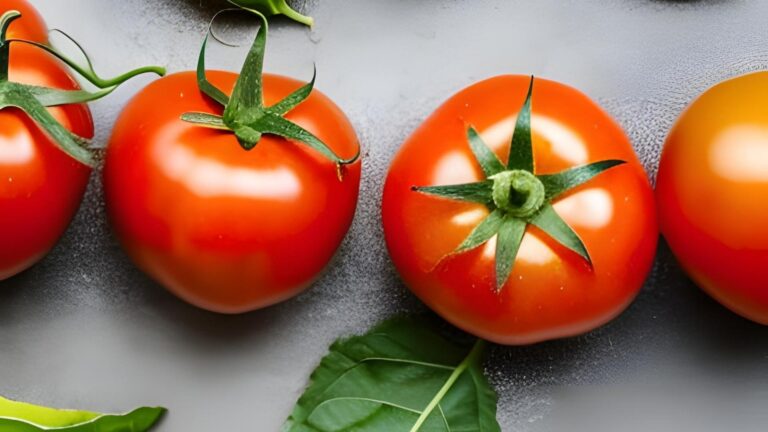
Are Tomatoes Good for You? The Honest Answer
Quick Answer: Yes, tomatoes are good for you — for most people. They are low in calories, high in water, and deliver a practical combination of vitamin C, potassium, folate, and lycopene in every serving. The strongest evidence supports their role in heart health and immune function. A small number of people — particularly those with acid reflux, tomato allergies, or kidney stone history — should moderate their intake. For everyone else, eating tomatoes regularly is a straightforward nutritional win.
The UK discards an estimated 733 million tomatoes every year — largely because they go unused before spoiling. That number says something about how much we buy them, but not how well we understand them. This article cuts through the noise and gives you a direct, evidence-grounded answer on whether tomatoes deserve a regular place in your diet.
Are Tomatoes Good for You? What the Evidence Shows
Tomatoes have been studied extensively for their effects on cardiovascular health, immune function, skin health, and cancer risk. The pattern across this research is consistent: regular tomato consumption is associated with positive health outcomes in the populations studied.
The case for tomatoes is not built on one supernutrient. It rests on a combination of factors working together — low calorie density, high water content, and a mix of vitamins, minerals, and antioxidants that support multiple body systems at once. That combination is harder to find than it sounds.
What the evidence does not support is treating tomatoes as a cure or treatment for any condition. They are a functional, nutrient-dense food — not medicine.
What Tomatoes Actually Do Well
Three areas have the strongest and most consistent research behind them.
Heart Health
Tomatoes contain lycopene, potassium, and folate — three nutrients associated with cardiovascular health through different pathways. Lycopene is linked to lower LDL cholesterol oxidation, a key step in arterial plaque development. Potassium supports healthy blood pressure by helping the body excrete excess sodium. Folate supports healthy homocysteine levels, which at elevated concentrations are associated with increased cardiovascular risk.
One well-cited clinical study found that daily tomato consumption over eight weeks was associated with meaningful reductions in both systolic and diastolic blood pressure in participants with mild hypertension. This is one study, not a clinical rule — but it aligns with broader dietary research on potassium-rich foods and blood pressure regulation.
Pro Tip: Cook tomatoes in a small amount of olive oil to significantly increase lycopene absorption — the fat helps your body extract this fat-soluble antioxidant far more efficiently than eating tomatoes plain.
Immune Support
Tomatoes are a useful source of vitamin C, providing roughly 14mg per 100g of raw tomato. Vitamin C supports white blood cell production and function — the immune system’s primary response mechanism. It also acts as an antioxidant, reducing oxidative stress that can weaken immune response over time.
Raw tomatoes retain more vitamin C than cooked ones. If immune support is your main goal, fresh raw tomatoes or minimally processed tomato juice will deliver more of this nutrient per serving than tomato paste or sauce.
Skin Health
Vitamin C in tomatoes supports collagen synthesis — the structural protein responsible for skin firmness and elasticity. Lycopene may help protect skin cells from UV-induced oxidative damage. These are not cosmetic claims — they reflect the known biological roles of these compounds in skin tissue maintenance.
Consistent dietary intake of vitamin C-rich foods like tomatoes is associated with better skin texture and slower visible aging in population studies — not because of any single meal, but because of long-term nutritional habits built around foods like these.
Who Should Be Careful with Tomatoes
Tomatoes are safe for the vast majority of adults. The situations below are genuine exceptions, not reasons for healthy people to avoid them.
| Condition | Why Tomatoes May Be a Problem | Practical Guidance |
|---|---|---|
| Acid Reflux or GERD | Tomatoes are acidic (pH 4.3–4.9) and may trigger heartburn or indigestion | Try smaller portions; cooked tomatoes are often better tolerated than raw |
| Tomato Allergy | Can cause skin rash, hives, swelling, or gastrointestinal upset | Avoid tomatoes and check processed food labels; consult a healthcare professional |
| Kidney Stone History | Tomatoes contain oxalates, which may contribute to calcium oxalate stone formation in susceptible individuals | Ask a healthcare professional about appropriate intake limits for your situation |
| Nightshade Sensitivity | Some people with autoimmune conditions report increased joint pain from nightshade vegetables | Consider a supervised elimination trial to assess personal response |
None of these conditions affect the majority of people. If you eat tomatoes regularly without discomfort, there is no reason to reduce your intake based on these risks.
Processed Tomatoes: Are They Still Good for You?
Canned tomatoes, tomato paste, and tomato sauce are still nutritious — and in some ways more useful than fresh tomatoes for specific nutrients. Cooking and concentrating tomatoes significantly increases the bioavailability of lycopene, meaning your body can absorb and use more of it from a spoonful of paste than from a whole raw tomato.
The issue with processed tomato products is not the tomato itself. It is what manufacturers add to it. Many canned sauces and passatas contain significant amounts of added sodium and sugar. Always read the ingredients list. The healthiest processed tomato products contain tomatoes, possibly citric acid, and nothing else.
For everyday cooking, plain canned whole tomatoes or crushed tomatoes without added salt are among the most cost-effective, nutritionally sound foods available. They are not a compromise on fresh — they are a different and often superior tool for cooking.
A Practical Verdict by Eating Pattern
| Eating Pattern | Are Tomatoes a Good Fit? | Notes |
|---|---|---|
| Balanced / Mediterranean diet | Yes — strongly | Core ingredient; use in all forms |
| Low-carb or keto | Yes — in moderation | Raw tomatoes have ~3.9g net carbs per 100g; check sauces for added sugar |
| Weight management | Yes | Low calorie density with high satiety value from fiber and water |
| Heart health focus | Yes | Prioritize cooked tomatoes with olive oil for maximum lycopene benefit |
| GERD or acid sensitivity | Cautiously | Smaller portions; cooked forms often tolerated better than raw |
| Tomato allergy | No | Avoid all tomato forms and products |
Frequently Asked Questions
Is it safe to eat tomatoes every day?
For most healthy adults, yes. Daily tomato consumption is associated with positive health markers in population studies. People with acid reflux, kidney stone history, or nightshade sensitivity should consider their individual tolerance and speak with a healthcare professional if unsure.
Are raw or cooked tomatoes better for you?
Both are valuable but in different ways. Raw tomatoes preserve more vitamin C. Cooked and processed tomatoes provide more bioavailable lycopene. Eating both forms regularly gives you the broadest nutritional benefit without having to choose one over the other.
Are tomatoes anti-inflammatory?
Tomatoes contain lycopene, vitamin C, and beta-carotene — antioxidants known for reducing oxidative stress, which drives inflammation. They are not a treatment for inflammatory conditions, but as part of a balanced diet they may help support lower systemic inflammation over time.
Do tomatoes cause kidney stones?
For most people, no. Tomatoes contain oxalates, which in people already prone to calcium oxalate kidney stones may be worth monitoring. If you have a history of kidney stones, discuss your specific dietary limits with a healthcare professional rather than eliminating tomatoes entirely.
Are tinned tomatoes as healthy as fresh?
Yes — and for lycopene, tinned tomatoes are often superior because heat processing increases bioavailability. Choose plain varieties with no added salt or sugar. Fresh tomatoes are better for vitamin C and raw eating; tinned tomatoes are better for cooking and concentrated lycopene intake.
Related Tomato Nutrition Guides
- Tomato Nutrition Facts — Calories, Carbs, Vitamins, and Benefits
- Lycopene in Tomatoes — Amounts, Bioavailability, and How to Maximize It
- Potassium in Tomatoes — How Much and What It Supports
- Fiber in Tomatoes — Amounts by Serving and Digestive Role
- Health Benefits of Eating Tomatoes Daily — What Consistent Intake Does Over Time
- How Tomato Nutrients Work in Your Body — The Mechanism Behind Each Benefit
Conclusion
For most people, tomatoes are genuinely good for you. The evidence across heart health, immune support, and skin health is consistent and not built on a single study. Their low calorie density, high water content, and mix of lycopene, vitamin C, and potassium make them one of the most practical everyday foods for supporting a balanced diet. The risks are real but narrow — they apply to specific conditions, not to healthy adults eating tomatoes in normal amounts.
The most useful thing you can do is eat them regularly and in different forms. Raw for vitamin C. Cooked with olive oil for lycopene. Canned for convenience and concentrated tomato nutrition. The best tomato habit is not a perfect one — it is a consistent one.

Dave is a scientific writer, and urban gardening enthusiast specializing in indoor tomato cultivation. At TomatoAnswers.com, he shares eco-friendly, data-driven methods to help city gardeners grow healthy, high-yield tomatoes in limited spaces. His work bridges medical science and modern agri-tech, inspiring sustainable, tech-enhanced urban gardening.