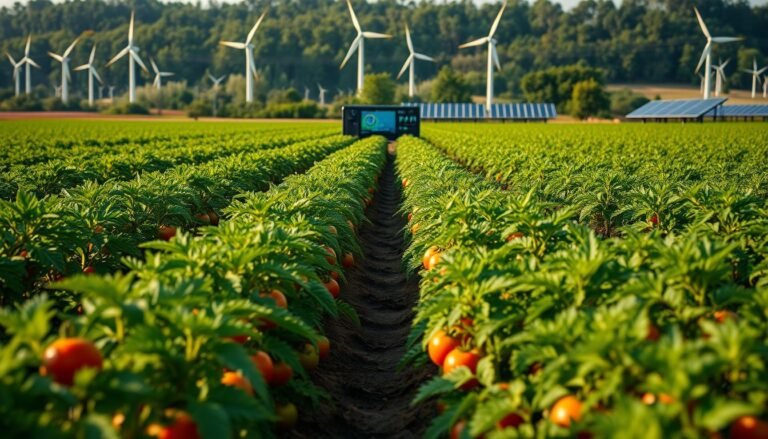
Did you know that precision irrigation can boost crop yields by up to 20%? This is just one example of how modern technology is revolutionising agriculture. By integrating advanced systems, farmers can now monitor soil conditions and nutrient levels with unprecedented accuracy.
These tools enable data-driven decisions, ensuring that each plant receives the exact resources it needs. For instance, real-time monitoring helps detect potential issues early, such as pest infestations or nutrient deficiencies. This proactive approach not only improves crop quality but also promotes sustainable practices by reducing resource wastage.
Take the example of precision irrigation strategies. By using satellite intelligence, farmers can optimise water usage, ensuring that crops thrive even in challenging environments. This integration of technology is transforming traditional methods, making agriculture more efficient and environmentally friendly.
Key Takeaways
- Precision irrigation can increase crop yields by up to 20%.
- Advanced systems allow for accurate soil and nutrient analysis.
- Real-time monitoring helps detect issues like pests early.
- Data-driven decisions improve crop quality and sustainability.
- Satellite intelligence optimises water usage in agriculture.
Understanding the Role of AI in Organic Tomato Farming
From manual labour to data-driven systems, agriculture has undergone a significant evolution. The integration of advanced tools has transformed traditional methods, making farming more efficient and sustainable. These innovations are particularly impactful in managing crops like tomatoes, where precision is key.
Evolution of Intelligent Systems in Agriculture
Historically, farming relied heavily on manual practices and guesswork. Over time, the introduction of artificial intelligence has revolutionised the sector. Early systems focused on basic data collection, but modern tools now offer predictive analytics and real-time monitoring.
For example, remote sensing technologies have improved pest detection by up to 90%. This shift from reactive to proactive management has significantly reduced crop losses. Farmers can now forecast yields with greater accuracy, ensuring better planning and resource allocation.
“The integration of robotics and intelligent systems has led to a 30% reduction in pesticide use, promoting sustainable practices.”
Benefits for Your Crop Cultivation
Adopting these advanced systems offers numerous advantages. One of the most notable is the ability to predict yield with precision. This helps farmers plan harvests and manage resources effectively. Additionally, proactive disease management ensures healthier crops and reduces the need for chemical interventions.
Another key benefit is the optimisation of irrigation. By using data-driven insights, farmers can ensure water is used efficiently, even in challenging environments. This not only conserves resources but also enhances plant growth and overall productivity.
| Benefit | Impact |
|---|---|
| Yield Prediction | Improved accuracy by up to 30% |
| Pest Detection | Reduced crop losses by 40% |
| Water Usage | Optimised irrigation reduces waste by 20% |
These advancements are not just about efficiency; they also have a positive environmental impact. By reducing pesticide use and optimising water resources, farmers can contribute to a more sustainable future. To learn more about how AI in modern tomato farming is shaping the industry, explore our detailed guide.
Optimising Soil Health and Water Management
Healthy soil and efficient water use are the backbone of successful crop cultivation. By focusing on soil nutrient analysis and precision irrigation, you can ensure your crops thrive while conserving resources. These strategies not only improve yields but also promote sustainable practices.

Soil Nutrient Analysis and pH Management
Understanding your soil’s nutrient levels is crucial for optimal crop growth. Advanced tools provide detailed analysis, helping you identify deficiencies and adjust fertilisation strategies. For instance, sandy soils often require precise pH adjustments using lime or sulphur.
Early detection of nutrient deficiencies can prevent issues like stunted growth or poor fruit quality. By addressing these problems promptly, you can ensure healthier crops and reduce the need for pesticides.
Precision Irrigation Strategies
Water is a precious resource, and efficient irrigation is key to sustainable farming. Precision technologies use localised weather data and soil moisture levels to create tailored watering schedules. This approach minimises waste and ensures your crops receive the right amount of water.
For example, detecting humidity changes early can help you avoid overwatering or underwatering. These solutions not only save water but also enhance crop development and reduce costs.
| Strategy | Benefit |
|---|---|
| Soil Nutrient Analysis | Identifies deficiencies for targeted fertilisation |
| pH Management | Optimises soil conditions for crop growth |
| Precision Irrigation | Reduces water waste by up to 20% |
By adopting these strategies, you can improve soil health and water management, ensuring sustainable and productive farming practices. These solutions not only benefit your crops but also contribute to a healthier environment.
AI in organic tomato farming: Enhancing Crop Growth and Pest Control
Modern technology is reshaping how crops are grown, ensuring healthier plants and higher yields. By integrating advanced systems, you can monitor plant conditions and detect early signs of pest infestations. This proactive approach minimises crop losses and promotes sustainable practices.

Precision technology plays a crucial role in improving both the quality and efficiency of cultivation. Real-time monitoring tools allow you to track crop development and adjust resource usage accordingly. For example, detecting changes in humidity early can help you optimise irrigation schedules.
Improved water and nutrient application, guided by advanced systems, leads to better plant development and higher yields. These tools ensure that each plant receives the exact resources it needs, reducing waste and enhancing growth. By adopting these methods, you can achieve more sustainable and productive farming practices.
Early detection and management of diseases are also key benefits. For instance, the TomatoGuard project uses innovative sensors to identify crop stress and pests, enabling timely interventions. This reduces the need for chemical treatments and supports eco-friendly production.
Overall, the integration of precision technology not only boosts crop health but also reduces production costs. By making data-driven decisions, you can enhance market competitiveness and ensure long-term success in your farming operations.
Adopting Precision Technology and Data-Driven Decisions
Harnessing the power of precision technology can transform your farming practices. By integrating advanced tools and real-time data, you can make informed decisions that boost productivity and sustainability. This approach ensures your crops thrive while conserving valuable resources.
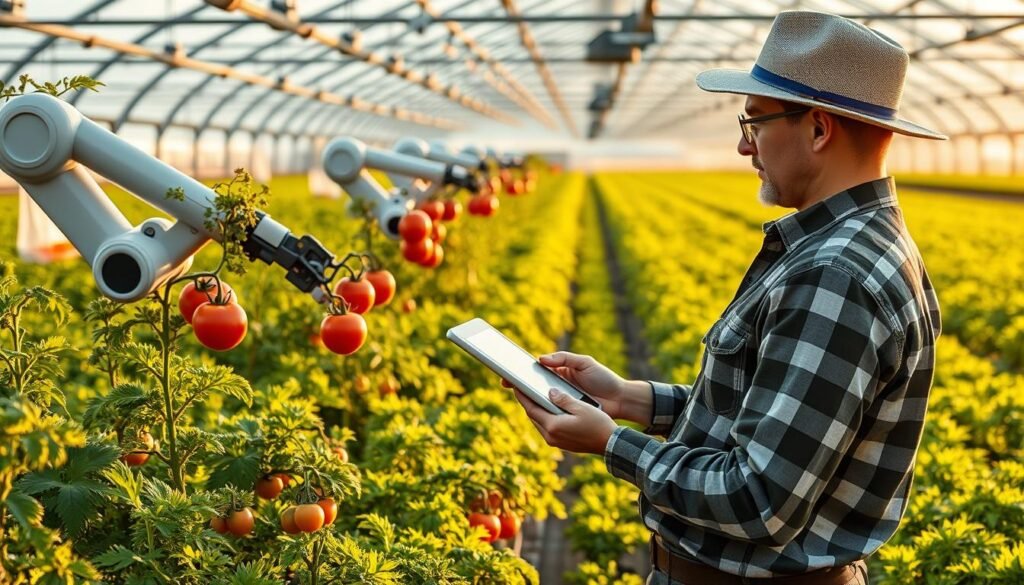
Integrating Satellite Intelligence and Localised Weather Data
Satellite intelligence offers a bird’s-eye view of your farm, providing detailed insights into weather patterns and soil conditions. This data helps you plan irrigation schedules and manage resources more efficiently. For instance, localised weather forecasts can alert you to upcoming rainfall, allowing you to adjust watering plans accordingly.
By combining satellite data with on-ground analysis, you can optimise crop growth and reduce waste. This integration ensures your plants receive the right amount of water and nutrients, even in unpredictable climates.
Utilising Sensor Tools for Real-Time Monitoring
Sensor tools are revolutionising how you monitor your crops. These devices provide real-time data on soil moisture, temperature, and humidity, enabling immediate adjustments. For example, if a sensor detects low moisture levels, you can activate irrigation systems to prevent drought stress.
Real-time monitoring also helps identify potential issues early, such as pest infestations or nutrient deficiencies. This proactive approach minimises crop losses and ensures healthier plants. By adopting these tools, you can streamline operations and improve overall efficiency.
Data-driven decisions not only enhance production but also help you predict market demand more accurately. This ensures you can meet consumer needs while maximising profitability. With precision technology, your farm can achieve sustainable growth and remain competitive in the agriculture sector.
Conclusion
Integrating advanced tools into your cultivation process can revolutionise how you manage crops. By adopting precision technology, you can optimise water usage, enhance soil health, and detect pests early. These measures not only improve yields but also reduce costs and resource waste.
Data-driven decisions allow you to predict patterns and adjust schedules effectively. This ensures your crops receive the right amount of resources, even in challenging conditions. Overcoming traditional farming challenges becomes achievable with systematic solutions.
Embracing modern tools helps meet market demand while promoting sustainability. For example, JEEVN AI offers tailored insights for efficient crop management. Such innovations ensure long-term success and competitiveness in agriculture.
Consider integrating these methods into your practices. They not only enhance productivity but also contribute to a healthier environment. By adopting technology, you can transform your cultivation process and stay ahead in an evolving industry.
FAQ
How does artificial intelligence improve soil health in tomato cultivation?
Artificial intelligence analyses soil nutrient levels and pH balance, providing tailored recommendations to optimise soil health for better crop growth.
What role does precision irrigation play in organic farming?
Precision irrigation ensures water is used efficiently, reducing waste and maintaining optimal moisture levels for healthy plant development.
Can AI help in managing pests and diseases naturally?
Yes, AI monitors crop conditions, detects early signs of pests or diseases, and suggests eco-friendly solutions to minimise damage.
How does data-driven decision-making benefit tomato farmers?
By analysing weather patterns, soil data, and crop conditions, AI helps farmers make informed decisions to boost yield and reduce costs.
What tools are used for real-time monitoring in farming?
Sensors and satellite technology provide real-time data on humidity, temperature, and soil conditions, enabling precise management of resources.
How does AI contribute to sustainable farming practices?
AI optimises resource use, reduces pesticide application, and enhances efficiency, promoting environmentally friendly and sustainable farming.
Can AI predict market demand for tomatoes?
Yes, by analysing market trends and consumer behaviour, AI helps farmers align production with demand, improving profitability.
Source Links
- Investing in the Future of Mexican Agriculture
- Fertilizer Management for Sustainable Crop Yield in the USA
- Internet of Things (IoT) and Artificial Intelligence (AI) in Agriculture: Applications for Sustainable Crop Protection
- Technological Innovations in Urban and Peri-Urban Agriculture: Pathways to Sustainable Food Systems in Metropolises
- Integrating machine learning with life cycle assessment: a comprehensive review and guide for predicting environmental impacts – The International Journal of Life Cycle Assessment
- AI
- Function and Importance of Macronutrients and Micronutrients in Almond Orchards
- Digital Agriculture: How Canadian Farmers Are Revolutionizing Food Production – Organics Farming, The Canadian Way
- Use of Lighting Technology in Controlled and Semi-Controlled Agriculture in Greenhouses and Protected Agriculture Systems—Part 1: Scientific and Bibliometric Analysis
- “Warned before plant stress occurs”
- PhD in Understanding bacterial infections in potato and tomato crops through the integration of metabolic modeling and multiomics data
Shakeel Muzaffar is a seasoned tomato gardener, SEO content strategist, and certified homoeopath.
As the founder of TomatoAnswers.com, he combines hands-on cultivation experience with evidence-based research from horticultural journals and peer-reviewed studies. His work focuses on the nutritional and therapeutic potential of tomatoes, blending practical gardening insights, natural health expertise, and AI-driven innovation to help readers grow smarter, eat healthier, and live more sustainably.