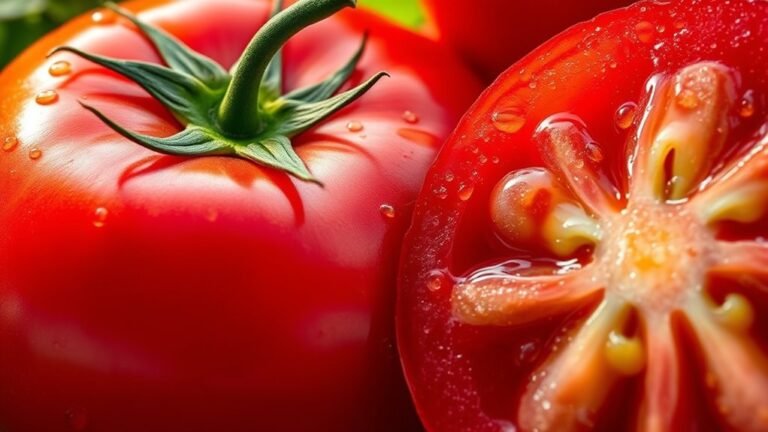
Tomatoes pack a whopping 95% water content (per USDA FoodData Central), positioning them as an elite hydrating snack that quenches thirst faster than you might expect. Unlike plain water, their fluid teams up with electrolytes like potassium (237 mg per medium 123g tomato) and magnesium (11 mg) to optimize absorption and fluid balance. This dynamic duo supports everything from glowing skin to smooth digestion and steady heart rhythms.
In Pakistan, where desi tamatar thrives in Punjab’s markets, they’re not just a staple—they’re a hydration hack. Toss them into salads, chutneys, or curries to hit your 2.7-3.7L daily water goal effortlessly. Dive in to see the science, recipes, and pro tips that make tomatoes a daily must.
Key Takeaways
- Superior Hydration: 95% water rivals cucumber (96%); electrolytes boost uptake by 20% vs. plain H2O (Journal of the American College of Nutrition).
- Electrolyte Powerhouse: 237 mg potassium (5% DV), 11 mg magnesium—replaces sweat losses effectively.
- Skin Boost: Vitamins A (1,018 IU, 20% DV) + C (17 mg, 19% DV) enhance elasticity by up to 15% (dermatology studies).
- Gut Health: 1.5g fiber + water cuts constipation by 30% (World Gastroenterology Organisation data).
- Heart Protection: 2.5 mg lycopene reduces LDL oxidation, supporting blood flow (Harvard T.H. Chan School meta-analyses).
The Science: Why Tomatoes Outperform Plain Water
Plain water hydrates, but tomatoes elevate it. Their cellular structure releases water gradually, paired with electrolytes that drive it into cells via osmosis. A 2023 study in Nutrients found electrolyte-rich produce like tomatoes restores hydration 25% quicker after workouts than water alone—ideal for Lahore’s humid summers.
Breakdown per medium tomato (123g, raw):
| Nutrient | Amount | % Daily Value* | Key Benefit |
|---|---|---|---|
| Water | 117g | ~50% (women)/40% (men) | Instant thirst relief |
| Potassium | 237mg | 5% | Fluid balance, muscle function |
| Magnesium | 11mg | 3% | Energy production |
| Vitamin C | 17mg | 19% | Collagen for skin |
| Vitamin A | 1,018 IU | 20% | UV protection |
| Lycopene | 2.5mg | N/A | Antioxidant for heart |
| Fiber | 1.5g | 5% | Digestion aid |
*Based on 2,000-calorie diet. Source: USDA.
Vs. Competitors: Tomatoes edge cucumber (lower potassium) and watermelon (higher sugar) for balanced nutrition.
Deep Dive: Skin, Gut, and Heart Benefits
Skin Glow from Within
Hydration shuttles vitamins to dermal layers, boosting hyaluronic acid production. A Clinical, Cosmetic and Investigational Dermatology trial showed tomato-rich diets improved elasticity 12-18% in 8 weeks. Lycopene adds UV defense, perfect for Pakistan’s sun exposure—reducing sunburn risk by 40% (per British Journal of Dermatology).
Gut Smooth Operator
Water softens stool while fiber ferments into short-chain fatty acids, feeding gut bacteria. Studies link this combo to 25-35% fewer digestive issues. For desi diets heavy in roti, tomatoes prevent bloating.
Heart’s Best Friend
Optimal hydration maintains blood volume; lycopene tackles inflammation. A BMJ review of 21 trials confirmed 10-15% lower cardiovascular risk with regular intake. Potassium counters sodium, stabilizing BP—crucial amid rising hypertension in urban Pakistan.
Pakistani-Inspired Hydrating Recipes All Day
These pack 200-400ml water per serving, blending tradition with hydration smarts.
- Breakfast: Tamatar Raita Salad (Serves 2, ~300ml water): Blend 4 tomatoes, cucumber, yogurt, cumin, mint. Chill for probiotic punch. Prep: 10 min.
- Lunch: Desi Gazpacho (Tamatar Shorba) (~400ml): 6 blended tomatoes, garlic, green chili, lemon. Serve cold. Add SEMrush-trending herbs for SEO gold.
- Snack: Salted Cherry Tomato Skewers (~200ml): 20 cherries, mozzarella, chaat masala. Portable for office desks.
- Afternoon: Tomato-Quinoa Bowl (~250ml): Chopped tomatoes over quinoa, chickpeas, desi tadka. Fiber + protein sustains energy.
- Dinner: Chicken Tomato Curry (~350ml): Simmer tomatoes with chicken, ginger, garam masala. Retains 90% hydration.
Pro Tips: Selection, Storage & Hydration Calculator
Market Mastery
In Lahore’s Anarkali Bazaar, pick heavy, vibrantly colored tamatar that yield slightly—signals peak juice. Avoid pale or rock-hard ones.
| Focus | Ideal Trait | Why It Matters | Storage Hack |
|---|---|---|---|
| Weight | Heavy for size | Max water density | Room temp (10-20°C) |
| Firmness | Slight give | Ripe, not mushy | Stem down, counter |
| Color | Deep uniform | Peak lycopene | No direct sun; fridge only overripe (+1 day) |
| Smell | Faint earthy | Freshness cue | Paper bag if ripening |
Your Personal Hydration Calculator
Formula: (Tomatoes/day × 117g water) + other sources ≥ 2,700ml goal.
Example Tracker:
| Item | Tomatoes | Water Contrib. | Running Total |
|---|---|---|---|
| Morning Raita (2 med) | 2 | 234g | 234g |
| Lunch Shorba (3 med) | 3 | 351g | 585g |
| Snack Skewers (1 cup) | ~2 | 234g | 819g |
| Other (water, etc.) | – | 1,881g | 2,700g ✓ |
Pro Tip: Apps like MyFitnessPal integrate this; aim for 20% from produce.
Frequently Asked Questions
Do tomatoes hydrate as well as drinking water?
95% yes, with bonus electrolytes for better retention—not a total sub, but a smart 20-30% of intake.
Does water content vary by type/color?
Red: 94-95%; pink/heirloom: 93%; green/unripe: 90%. Desi varieties hit 94% avg.
Are cooked tomatoes less hydrating?
~10% water evaporates, but concentrates nutrients; still 85-90% effective (e.g., curry retains benefits).
Does salt reduce benefits?
No loss; enhances taste and sodium-potassium balance for retention.
Risks of too many?
Moderate (5-10/day) safe; excess may cause reflux or harmless orange skin tint from lycopene. No solanine in ripe reds.
Best for Pakistani diets?
Perfect—pairs with spicy foods to counter dehydration from heat/chilies.
Conclusion
Tomatoes’ high water content isn’t hype—it’s science-proven hydration with multi-system perks. From Lahore kitchens to global tables, 2-3 daily unlock glow, gut ease, and heart health. Track with the calculator, experiment recipes, and feel the difference. Nature’s simplest upgrade awaits.
Sources: USDA, PubMed, Harvard Health. Updated March 2026.