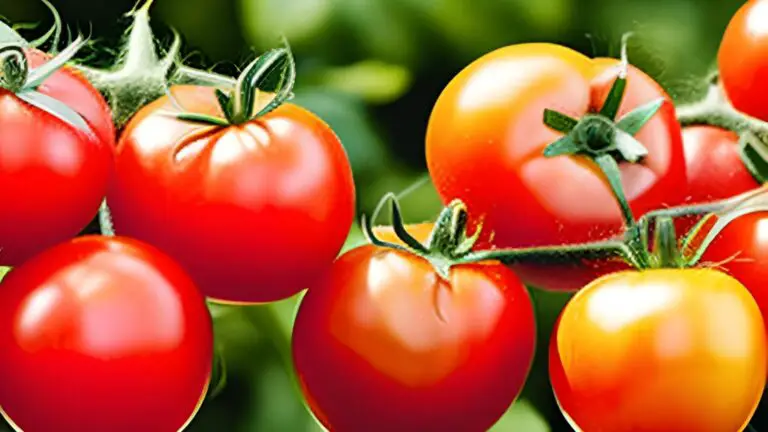
Top 21 Giant Tomato Varieties: A Professional Guide to Massive Harvests 2026
The pursuit of the massive harvest is a cornerstone of competitive and hobbyist horticulture alike.
In the botanical world, giant tomatoes represent a specific class of fruit defined not only by their physical dimensions but by the complex physiological requirements necessary to sustain such significant mass.
Defined by the USDA as fruits exceeding 2.75 inches in diameter, these varieties often surpass the one-pound threshold, with elite cultivars reaching weights in excess of ten pounds.
Achieving success with these giants requires more than basic gardening; it demands an understanding of indeterminate growth habits, calcium uptake mechanisms, and the structural engineering of heavy-duty support systems.
This comprehensive guide details the top 21 giant tomato varieties currently available for the 2026 growing season, providing technical insights into their genetics, flavour profiles, and cultivation requirements.
At a Glance
- Metric Standards: A “giant” cultivar typically exceeds 1 lb (0.45 kg), though competitive specimens now frequently reach 5–10 lbs.
- Genetic Heritage: Most giant varieties are heirloom beefsteaks, valued for their multilocular internal structure which supports increased fruit weight.
- Structural Necessity: High-reaching vines, such as the Giant Tree, can attain heights of 18 feet, requiring professional-grade horizontal trellising.
- Soil Chemistry: Success is predicated on a soil pH of 6.0–6.5 to ensure the bioavailability of micronutrients.
- Environmental Management: Large-fruited varieties are highly susceptible to concentric cracking and Blossom End Rot if moisture levels fluctuate.
What Defines a Giant Tomato?
A giant tomato is a cultivar specifically bred or selected for high fruit mass and diameter, typically exceeding 1 lb (0.45 kg). These varieties are usually heirloom beefsteaks, characterised by multiple seed locules and a meaty texture. Growing them requires indeterminate support systems, precise irrigation to prevent skin splitting, and high-potassium fertilisation to sustain heavy fruit sets during the maturation phase.
The Comprehensive Technical Profile: 21 Giant Tomato Cultivars
The following 21 varieties represent the pinnacle of large-fruited tomato genetics. Each entry has been selected based on historical yield reliability, disease resistance, and culinary utility.
1. The Beefsteak Family (The Progenitor)
The Beefsteak Tomato is the standard-bearer for large-fruited varieties. Known for its meaty texture and minimal seed cavities, the classic Beefsteak has branched into several distinct sub-varieties, each maintaining the “giant” classification.
- Rainbow Beefsteak: A bi-colour variety offering a marbled interior of yellow and red.
- Pink and Yellow Beefsteaks: Selected for specific flavour balances; yellow types are typically lower in acid.
- Great White: A unique ivory-coloured giant that lacks the sharp acidity of red varieties, often exceeding 1 lb.
- Ponderosa Red: A historic heirloom reaching 6 inches in diameter, valued for its solid, “sliceable” flesh.
- Crimson Cushion: A prolific producer of deeply ribbed, bright red fruits.
2. Giant Tree Tomato (The Vertical Marvel)
The Giant Tree Tomato is often mistaken for a separate species due to its immense scale. Reaching heights of up to 18 feet, this indeterminate vine requires a specialised vertical-to-horizontal trellis system. The fruit is a pinkish-red beefsteak weighing between 1 and 2 lbs. Because of its height, it is a primary candidate for “greenhouse height” records.
3. Dinner Plate Tomato
True to its name, the Dinner Plate variety produces heart-shaped, bright red fruits that can span 6 inches across. It is an indeterminate heirloom that requires significant staking. Its primary value lies in its meaty texture, which contains very little water, making it the premier choice for thick sandwiches and artisanal salads.
4. Mortgage Lifter (The Economic Heirloom)
Developed by Marshall Cletis Woods in the 1930s, the Mortgage Lifter is perhaps the most famous giant heirloom. Legend suggests Woods sold the plants for $1 each to pay off his $6,000 mortgage. Physically, it is a pink-red fruit with a sweet, mild flavour and a weight that consistently hovers around 2 lbs. It is noted for having a high flesh-to-seed ratio.
5. Russian 117
The Russian 117 is a rare bicolour heirloom that produces “double-heart” shaped fruits. These red-and-orange giants can reach 2 lbs and are prized for their rich, complex flavour. Unlike many other giants, the Russian 117 is known for its productivity, often yielding more fruits per vine than competing beefsteaks.
6. Goliath
In the realm of modern hybrids and selected heirlooms, Goliath stands out for its disease resistance. While many giants are susceptible to Verticillium and Fusarium wilts, Goliath is bred to resist common soil-borne pathogens. It yields smooth, 1–3 lb fruits and is a favourite for home gardeners who want the size of a giant without the fragility of an heirloom.
7. Oxheart (The Structural Variant)
The Oxheart group is named for its distinctive anatomical shape. Varieties such as Jung’s Giant Oxheart and the Red Oxheart can weigh up to 3 lbs. Their skin is notably thin, and their flesh is dense and mild. They are technically “low-waste” tomatoes because they lack the large core found in many ribbed beefsteaks.
8. German Head
The German Head is a dark pink heirloom that chefs favour for its “balanced” palate—neither too sweet nor too acidic. A key technical advantage of this variety is its crack resistance. While other giants split after heavy rain, the German Head’s skin possesses a greater elasticity, preserving the fruit’s market value.
9. Giant Belgium
First cultivated in Ohio by a Belgian immigrant in the 1930s, Giant Belgium is famous for its massive size, with specimens frequently reaching 5 lbs. The flesh is dark pink, sweet, and exceptionally low in acid. It is often used in the production of “tomato wine” due to its high sugar content.
10. Giant Crimson
Once thought to be extinct, Giant Crimson was rediscovered in a vintage seed packet. It is a rare heirloom that produces deep red, 1 lb fruits. It is valued by collectors for its historical lineage and its ability to produce consistent, uniform fruit sizes throughout the season.
11. Domingo (The World Record Holder)
For the competitive grower, Domingo is the essential cultivar. In 2020, this variety set a world record at 10.795 lbs. It is a heavily ribbed, massive beefsteak. To achieve record weights, growers typically use “megabloom” selection—pruning the plant so that only one fused blossom remains to grow into a single, massive fruit.
12. Brandywine
The Brandywine is the gold standard for tomato flavour. Since 1886, it has dominated taste tests. Its “potato-leaf” foliage is a distinct marker of its genetics. Varieties include:
- Pink Brandywine: The original and most popular.
- Yellow and Purple Brandywine: Colour variants with slightly different sugar profiles.
- Sudduth Strain: Considered by experts to be the most “authentic” Brandywine lineage.
13. Aussie
Hailing from Australia, the Aussie is a classic indeterminate vine. It produces heavily ribbed, red fruits weighing 1–2 lbs. It is particularly resilient in high-heat environments, making it a staple for gardeners in warmer climates where other giants might drop their blossoms.
14. Boondocks
The Boondocks variety is often described as a “Brandywine on steroids.” It possesses the same potato-leaf foliage and deep pink fruit but offers improved disease resistance and higher yields. The flavour is “old-fashioned”—high in both acid and sugar.
15. Stump of the World
An oddly named heirloom, Stump of the World is a sibling to the Brandywine. It is slightly smaller on average (around 1 lb) but is significantly more productive. It is often ranked in the top three of all global taste tests, praised for its “earthy” complexity.
16. Pineapple Tomato
The Pineapple variety is a bicolour giant (yellow and red) named for its internal marbled appearance. It is a sweet, fruity tomato with very low acidity. Fruits typically reach 2 lbs and feature a ribbed exterior. It is highly sought after for decorative slicing and gourmet presentations.
17. Julia Child
Named in honour of the legendary chef, the Julia Child tomato produces deep pink, 1 lb fruits. It is a potato-leaf variety that is noted for its “succulent” texture. It represents the intersection of horticulture and culinary arts, specifically bred for its performance in cooked sauces and fresh tarts.
18. Giant Italian
Italy is the ancestral home of many beefsteaks. The Giant Italian is a 4-inch, deep red fruit weighing approximately 1 lb. Unlike many watery giants, this variety has a high “solids” content, making it the technical choice for professional-grade salsas and slow-cooked marinara sauces.
19. Ultimate Giant
The Ultimate Giant is a specialist’s fruit. While it averages 2 lbs, specimens have been measured at 9 inches in diameter. It is a late-season variety, requiring a long, warm autumn to reach full maturity. It is exceptionally well-suited for home canning due to its uniform flesh density.
20. Kellogg’s Breakfast
This is not a cereal-related cultivar; it was named after Darrell Kellogg, a railroad worker. It is a massive orange beefsteak known for its “carrot-like” colour. The flavour is exceptionally bright and sweet. It is a heavy producer, with individual fruits consistently hitting the 2 lb mark.
21. Believe It or Not
Rounding out the list is Believe It or Not, a variety known for its unusually smooth skin. Most giants are “oblate” (flattened) and ribbed, but this variety produces a more rounded, traditional tomato shape while maintaining a weight of 2–3 lbs. It is an excellent choice for those who want a “giant” that still looks like a standard garden tomato.
Comparative Analysis of High-Yield Giant Varieties
| Variety | Average Weight | Primary Benefit | Growth Habit |
|---|---|---|---|
| Domingo | 4–10 lbs | World Record Potential | Indeterminate |
| Giant Belgium | 1–5 lbs | Low Acidity / High Sugar | Heirloom |
| Goliath | 1–3 lbs | Disease Resistance | Hybrid/Vigorous |
| Oxheart | 2–3 lbs | Low Seed/Water Content | Heart-shaped |
| Brandywine | 1–1.5 lbs | Superior Flavour Profile | Potato-leaf |
| Aussie | 1–2 lbs | Heat Tolerance | Ribbed Beefsteak |
Strategic Growth and Physiology: Achieving Massive Weight
To move a tomato from the 1 lb range into the 3–5 lb range, the gardener must move beyond basic care into advanced horticultural management.
1. Structural Engineering: Trellising and Support
A single giant tomato plant can carry 20–50 lbs of fruit simultaneously. A standard tomato cage will collapse under this stress.
- Staking: Use 2-inch diameter wooden stakes or heavy-rebar, driven at least 2 feet into the subsoil.
- The Sling Method: Competitive growers use nylon mesh or old pantyhose to create “hammocks” for individual fruits. This transfers the weight from the vine’s pedicel to the trellis structure, preventing the fruit from snapping off prematurely.
- Horizontal Trellising: For 18-foot varieties like the Giant Tree, a “T-post” system with horizontal overhead wires allows the vine to spread its weight across a larger surface area.
2. Soil Chemistry and Nutrient Density
Giant tomatoes are “heavy feeders.” Their primary requirement is a consistent supply of calcium and potassium.
- The pH Factor: Soil must be kept between 6.0 and 6.5. If the pH drops below 6.0, calcium becomes “locked” in the soil and unavailable to the plant, leading to Blossom End Rot (BER).
- Fertilisation Phases: Vegetative Stage:* High Nitrogen (N) to build the leaf canopy.
- Flowering Stage: High Phosphorus (P) to encourage bloom sets.
- Fruiting Stage: High Potassium (K) to drive sugar transport and increase fruit mass.
3. Pruning and Fruit Selection
If a plant is allowed to grow 100 small tomatoes, it will never grow one giant.
- Sucker Pruning: Remove all lateral shoots (suckers) to keep the plant to a single or double main leader. This forces all energy upward.
- Fruit Thinning: For the largest possible fruit, identify the “king bloom” (the largest flower on the first cluster) and remove all other flowers in that cluster. This focuses the plant’s entire metabolic output on a single fruit.
Environmental Risks and Mitigation
1. Concentric and Radial Cracking
Giant tomatoes have thin skins relative to their internal pressure. If a dry spell is followed by heavy rain, the fruit absorbs water faster than the skin can stretch, causing it to burst. Mitigation: Maintain a strict irrigation schedule (1–2 inches per week) using drip irrigation to keep soil moisture levels constant.
2. Blossom End Rot
This appears as a black, leathery patch on the bottom of the fruit. It is caused by a calcium deficiency in the fruit tissue, often triggered by uneven watering rather than a lack of calcium in the soil. Mitigation: Ensure consistent moisture and apply a mulch layer (straw or wood chips) to prevent evaporation.
People Also Ask
Q: How do you prevent giant tomatoes from becoming too heavy for their stalks?
A: Use heavy-duty trellising and individual fruit slings made of mesh. Pruning “suckers” redirects energy to the main stem, increasing its structural thickness.
Q: Can giant tomatoes be grown in containers?
A: Yes, but they require a minimum 20-gallon (75-litre) container. Anything smaller will restrict root growth, leading to stunted fruit and frequent wilting. Use a high-quality potting mix enriched with perlite for drainage.
Q: Why are my giant tomatoes cracking before they are ripe?
A: This is usually due to “moisture stress.” When soil fluctuates between bone-dry and soaking wet, the fruit expands too quickly. Consistent, daily watering is the only solution.
Q: Are heirloom giants more difficult to grow than standard tomatoes?
A: Technically, yes. They often lack the disease resistance of modern hybrids and are more sensitive to temperature swings. However, their flavour and size potential far exceed commercial varieties.
Q: Can I save the seeds from my giant tomatoes?
A: If they are heirlooms (like Brandywine or Mortgage Lifter), the seeds will grow “true to type” next year. If they are hybrids (like some Goliath strains), the second-generation seeds may produce unpredictable results.
Expert Verdict: To achieve a massive harvest, the gardener must prioritise genetics first (e.g., Domingo or Giant Belgium) and structural support second.
Without a professional-grade trellis and a stable calcium uptake strategy, even the best genetics will fail to reach their potential.
Would you like me to develop a customised fertiliser schedule specifically for these 21 giant varieties?

Shakeel Muzaffar is a seasoned tomato gardener, SEO content strategist, and certified homoeopath.
As the founder of TomatoAnswers.com, he combines hands-on cultivation experience with evidence-based research from horticultural journals and peer-reviewed studies. His work focuses on the nutritional and therapeutic potential of tomatoes, blending practical gardening insights, natural health expertise, and AI-driven innovation to help readers grow smarter, eat healthier, and live more sustainably.