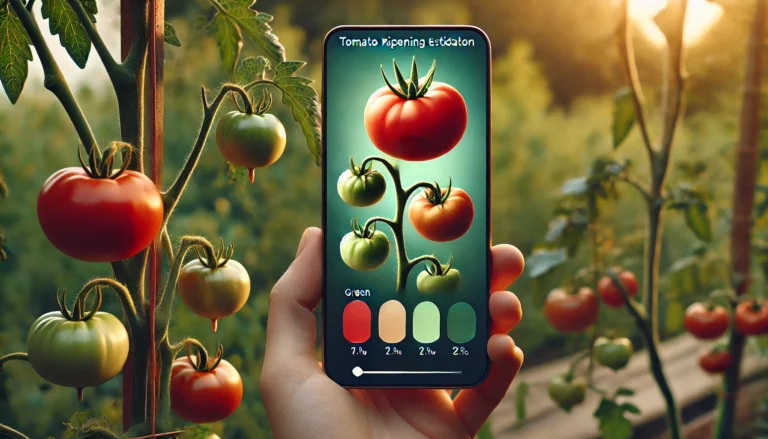
Tomato Ripening Estimator (Tomato Gardening Tool)
Tomato Ripening Estimator
Tomato Ripening Estimator: When Will Your Tomatoes Finally Be Ready?
If you’re like me, you’ve stared at your green tomatoes more times than you’d like to admit, wondering, “When are these guys actually gonna ripen?” Well, you’re not alone. It’s a common problem for tomato lovers, especially if you’re waiting on that perfect red colour to bring some juicy magic to your salad or sandwich.
In comes the Tomato Ripening Estimator—a tool that might just be your new best mate in the garden. It’s designed to help predict when your tomatoes will hit that ripe, juicy sweet spot. And trust me, there’s more to this than just a calendar guess.
Why Do Tomatoes Take So Long To Ripen?
First things first—let’s tackle the frustration. Tomatoes have a mind of their own, and the ripening process is a dance between temperature, genetics, sunlight, and even stress. Imagine you’re trying to train a cat—it’s that unpredictable.
When tomatoes ripen, it’s because of ethylene gas—a natural plant hormone. The trouble is, things like temperature (too hot or too cold) can mess with this gas production. Below 12°C? Your tomatoes aren’t gonna do much. Above 30°C? They might just stay green out of sheer spite.
What Is a Tomato Ripening Estimator?
Alright, so what exactly is this Tomato Ripening Estimator? It’s a tool, sometimes an app, sometimes a calculator, that predicts when your tomatoes will reach their peak ripeness. It takes into account things like the variety of tomato, local weather conditions, and even when you planted them.
Basically, it does the thinking for you, so you don’t have to sit there with your fingers crossed hoping for a good day. Plus, it helps with planning—no more overripe tomatoes going to waste because you didn’t know they’d all ripen at once.
How Does It Work?
Tomato Ripening Estimators usually work by combining a few key factors:
Days to Maturity: Different varieties take different amounts of time. Cherry tomatoes might ripen in 60 days, while beefsteak tomatoes can take up to 85.
Weather Conditions: Tomatoes need consistent warmth, ideally between 18°C and 27°C, to ripen well.
Ethylene Production: The estimator often uses info about ethylene levels or temperature fluctuations to predict when ripening will kick off.
If you plug in your info, it gives you a ripening window, so you know when to expect those tomatoes to be ready to pick.
Real-Life Example: My Cherry Tomatoes
Last summer, I had about ten cherry tomato plants that just refused to ripen. I was getting impatient—checking them every day, giving them pep talks, even wondering if they needed some music (I heard Mozart works wonders). But once I tried a Tomato Ripening Estimator, I realised they were right on track for an early September harvest.
That took the edge off my frustration and let me plan better. Instead of being surprised by a sudden ripe batch, I could prep recipes and make sure I had enough jars for some homemade tomato sauce.
Benefits of Using a Tomato Ripening Estimator
Using an estimator isn’t just about managing impatience—it’s actually got a bunch of perks:
Predictable Harvest: Know exactly when you’ll need to be ready to pick those juicy red gems.
Avoid Overripe Tomatoes: Pick them at their peak rather than losing half your yield to the overripe slump.
Garden Management: Coordinate other crops around your tomato harvest. Got cucumbers ready? Great—now you can time your tomatoes for that perfect garden-fresh salad.
How To Get Started With a Tomato Ripening Estimator
There are a few ways you can get started with this. Here’s a quick guide:
Find a Tool: Google “Tomato Ripening Estimator” and you’ll come across a handful of apps or online calculators. Some popular ones are built into broader garden management apps.
Input Details: You’ll need basic info:
Tomato Variety (different types have different timelines)
Planting Date
Your Location (for local weather conditions)
Check the Ripening Window: Once you enter everything, you’ll get an estimate. Mark your calendar or set reminders to start keeping a closer watch on your plants.
1. Factors Affecting Tomato Ripening
Temperature and Climate Conditions
Temperature plays a primary role in determining when your tomatoes will ripen. Tomatoes typically ripen best between 68°F and 77°F (20°C to 25°C).
Colder temperatures slow down ripening, while excessively hot weather can hinder the process altogether. For this reason, adjusting environmental conditions in greenhouses or using row covers outdoors can make a noticeable difference.
Personal Tip: Monitor night-time temperatures closely since cooler evenings can delay ripening.
Variety of Tomato
Not all tomatoes ripen at the same rate. Cherry tomatoes, for example, ripen much faster than beefsteak varieties. Heirloom tomatoes may require more mature time than hybrid types designed for quick production. The Days to Maturity (DTM) is often listed on seed packets, estimating how long each variety takes from planting to harvest.
Stage of Fruit Development
The stage of your tomato’s life cycle will also impact ripening. Once fruits begin to develop and change color, ripening speeds up. Monitoring growth from bloom to fruit helps accurately anticipate the final ripening window.
2. Tomato Ripening Stages
Green Stage
At the green stage, tomatoes have grown to their full size but are not yet ripe. At this phase, the fruit is firm, and chlorophyll levels are high, giving it a solid green color. Ripening will not occur until external conditions like temperature, moisture, and light are optimal.
Breaker, Pink, and Red Stages
The breaker stage marks the transition from green to color development. As tomatoes shift from light green to pink or orange hues, they become softer. Tomatoes are officially considered ripe once they achieve their characteristic red, orange, or yellow color. Picking during the breaker stage can allow off-the-vine ripening.
Personal Tip: Harvest tomatoes during the breaker stage to extend their shelf life if you’re storing or transporting them.
3. Methods to Estimate Ripening Time
Days to Maturity (DTM) Calculation
The Days to Maturity (DTM) refers to the average number of days from transplanting seedlings to the first ripe fruit. For example, cherry tomatoes may take 55 to 65 days, while beefsteak varieties can require 80+ days. Knowing this estimate helps growers plan harvests more effectively.
Using Color and Texture Indicators
Observing color changes, from green to pink to red, is a classic way to gauge ripeness. Tomatoes also soften as they ripen, with ripe fruits yielding slightly to pressure. The combination of color and texture serves as a reliable indicator.
Tracking Bloom-to-Ripening Duration
Tracking the interval from flowering to fruit ripening provides another way to estimate harvest. Generally, tomatoes take 40 to 60 days after blooming to ripen. Keep a gardening journal to log blooming dates for more precise forecasting.
4. Environmental Control for Accurate Estimation
Managing Temperature and Humidity
Controlling temperature and humidity can speed up or slow down the ripening process. Use ventilation in greenhouses to maintain optimal temperatures and avoid excessive humidity, which can lead to mold or disease.
Using Light Exposure to Accelerate Ripening
Tomatoes need light to develop color properly, but too much direct sunlight can cause sunscald. Use shade cloths if your plants receive too much sun, or rotate potted plants to balance light exposure.
5. Ripening Estimation Tools and Technologies
Using Mobile Apps and Estimation Charts
Several mobile apps and online ripening charts help track growth and forecast ripening. These tools use location data, climate conditions, and tomato variety information to predict harvest dates accurately.
AI-Based Ripening Estimators
Some advanced tools employ AI-based algorithms to predict ripening time by analyzing environmental factors and plant conditions. These tools are especially useful for large-scale farming operations aiming to optimize production cycles.
6. How to Accelerate or Delay Ripening
Ripening Tomatoes Off the Vine
Tomatoes can continue ripening after being picked, especially if harvested during the breaker stage. Store them in a warm spot or place them next to bananas, which emit ethylene gas to encourage ripening.
Delaying Ripening for Storage
To slow ripening, keep tomatoes in a cool environment (around 55°F or 13°C). This technique is useful for prolonging storage, especially when tomatoes are harvested in bulk.
Personal Tip: Wrap tomatoes individually in newspaper to slow down ripening and prevent bruising.
7. Signs of Overripe or Underdeveloped Tomatoes
Identifying Overripening
Overripe tomatoes feel very soft and may develop cracks or blemishes. These fruits are still edible but should be used quickly for sauces or soups to prevent waste.
What to Do with Unripe Tomatoes
Unripe tomatoes can still be salvaged. Consider making fried green tomatoes or ripening them indoors by placing them in paper bags with other ripe fruits.
Quick Tips for Encouraging Ripening
Feeling impatient? Here are some ways to hurry your tomatoes along:
Prune Excess Leaves: More sunlight = faster ripening.
Cut Back on Watering: A little stress can push them to ripen faster.
Harvest Early: If they’re close to ripening, pick them and let them finish indoors—ethylene from ripe bananas can help.
Common Questions About Tomato Ripening Estimators
Q: Do I really need an estimator, or can I just wait?
Sure, you can just wait. But a Tomato Ripening Estimator takes the guesswork out. You’ll be better prepared, and it’s just nice to know when to expect that first perfect bite.
Q: Can I use an estimator for any tomato variety?
Yes! Most estimators let you choose the variety or even input details manually. Whether it’s beefsteak, cherry, or plum, an estimator can help you out.
Q: What if the estimator is wrong?
No tool is perfect. Sometimes unexpected weather can throw off the timing. But even if it’s not exact, it’ll give you a better idea than simply guessing.
Wrap-Up: Tomato Ripening Estimator Saves You Time and Guesswork
The Tomato Ripening Estimator is a lifesaver if you’re tired of the old “wait and see” game. It takes the mystery out of the process and helps you plan your harvest down to the week. No more overripe or underripe disappointments—just juicy, ripe tomatoes ready when you are.
If you’re serious about growing your own tomatoes and want to make the most of your harvest, give the Tomato Ripening Estimator a shot. It’s simple, effective, and saves you from that daily tomato stare-down. After all, your time’s precious—why spend it waiting around when you could know exactly when those tomatoes will finally be ready?
Tutorial: Tomato Ripening Estimator
 Example Values in a Table:

Below is a table with sample inputs and the corresponding estimated ripening times and dates:
| Temperature (°C) | Sunlight (hrs/day) | Humidity (%) | Soil Conditions | Variety | Ripeness | Estimated Ripening Time (days) | Estimated Ripening Date |
|---|---|---|---|---|---|---|---|
| 25 | 8 | 60 | Rich | Cherry | Green | 9.0 | (Date + 9 days) |
| 22 | 6 | 75 | Average | Roma | Breaker | 8.7 | (Date + 9 days) |
| 28 | 9 | 55 | Poor | Beefsteak | Turning | 6.6 | (Date + 7 days) |
| 20 | 5 | 45 | Average | Heirloom | Pink | 7.8 | (Date + 8 days) |
| 25 | 8 | 60 | Rich | Cherry | Light Red | 1.8 | (Date + 2 days) |
Note: Replace “(Date + X days)” with the actual date based on the current date when using the estimator.
Additional Tips for Gardeners:
- Optimal Temperature: Maintain temperatures between 18°C and 30°C for best ripening.
- Sunlight Exposure: Ensure tomatoes receive 6-10 hours of sunlight daily.
- Humidity Levels: Aim for 50% to 70% humidity to prevent diseases and promote healthy ripening.
- Soil Quality: Enrich soil with organic matter to improve nutrient content and drainage.
- Variety Selection: Choose varieties that suit your climate and desired ripening times.